Fertility Diet: What to Eat (and Avoid) to Boost Your Chances of Conceiving


Fertility Diet: What to Eat (and Avoid) to Boost Your Chances of Conceiving
Nutrition plays a profound and evidence-based role in reproductive health. For both men and women, what you eat in the months before attempting to conceive directly influences egg quality, sperm production, hormonal balance, and the ability to sustain a pregnancy. A well-designed fertility diet doesn't guarantee conception, but it creates the optimal biological foundation for it.
The Fertility Diet: Core Principles From the Research
The most robust dietary research on fertility comes from the Harvard Nurses' Health Study, which followed over 18,000 women trying to conceive and identified dietary patterns associated with significantly lower rates of ovulatory infertility. The optimal pattern — termed the "Fertility Diet" — was characterised by:
- Higher intake of monounsaturated fats (olive oil, avocado, nuts) over trans fats
- Vegetable protein prioritised over animal protein (particularly red meat)
- High-fat dairy (whole milk, full-fat yoghurt) over low-fat dairy
- Slow-carbohydrate foods over refined carbohydrates (low glycaemic index)
- High iron intake from plant sources (legumes, leafy greens)
- Multivitamin use, particularly folate/folic acid
- High antioxidant intake from fruits and vegetables
Women following this dietary pattern had a 66% lower risk of ovulatory infertility compared to those following the most opposite dietary pattern.
Key Nutrients for Female Fertility
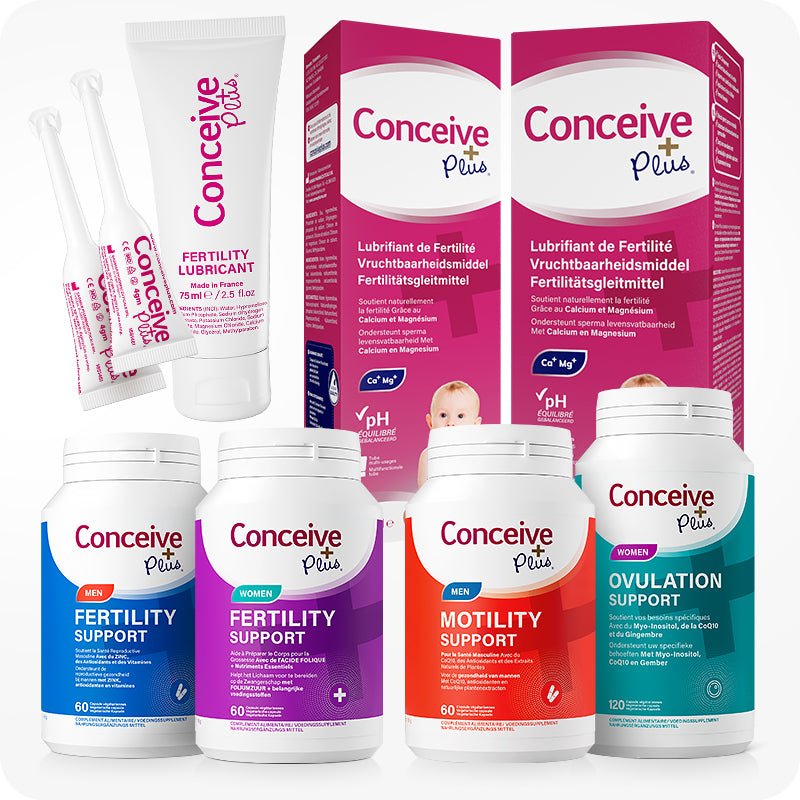
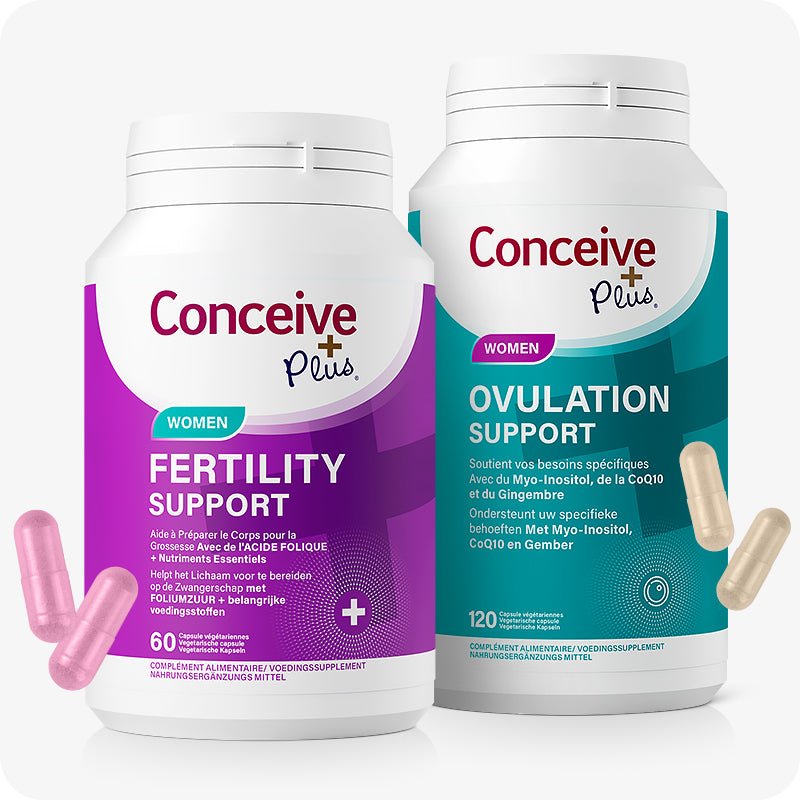
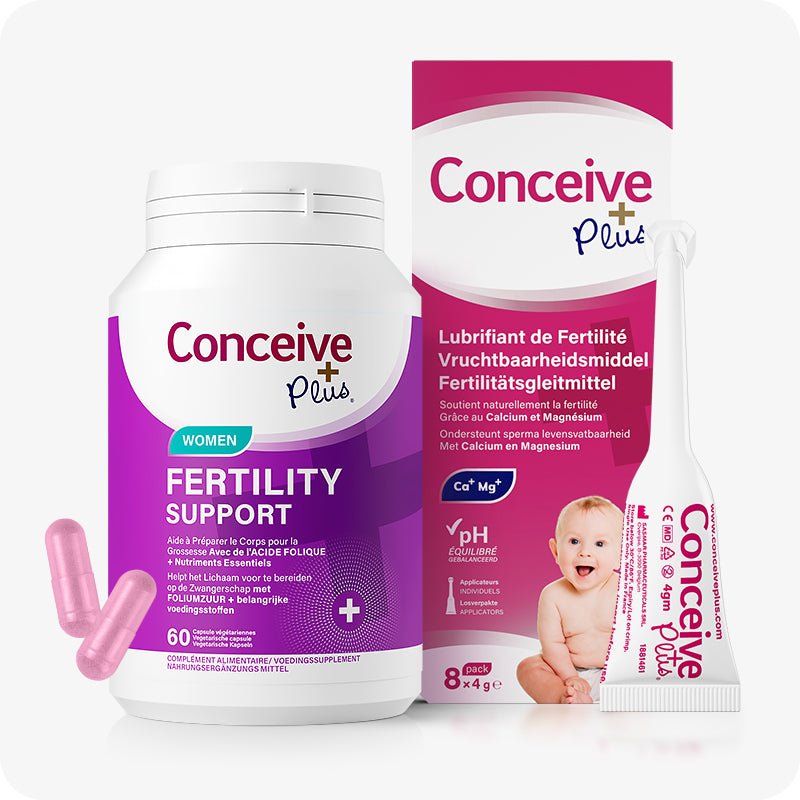
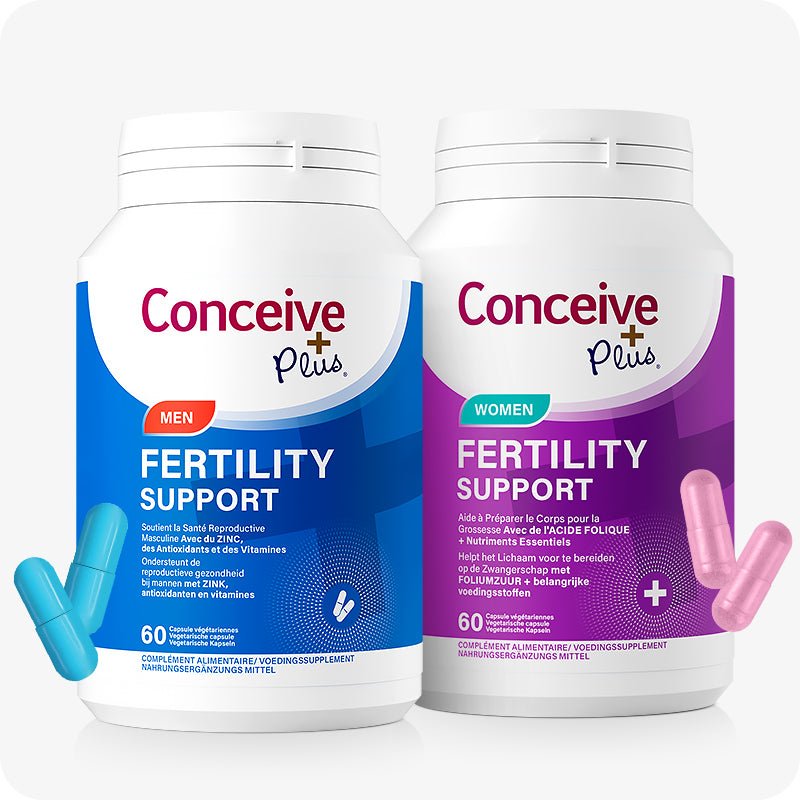
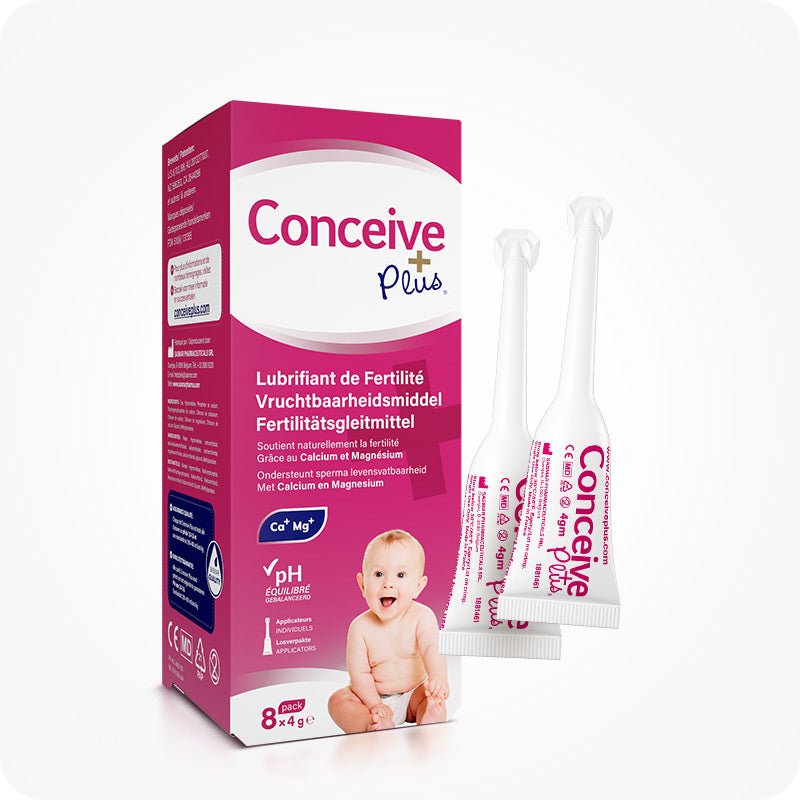
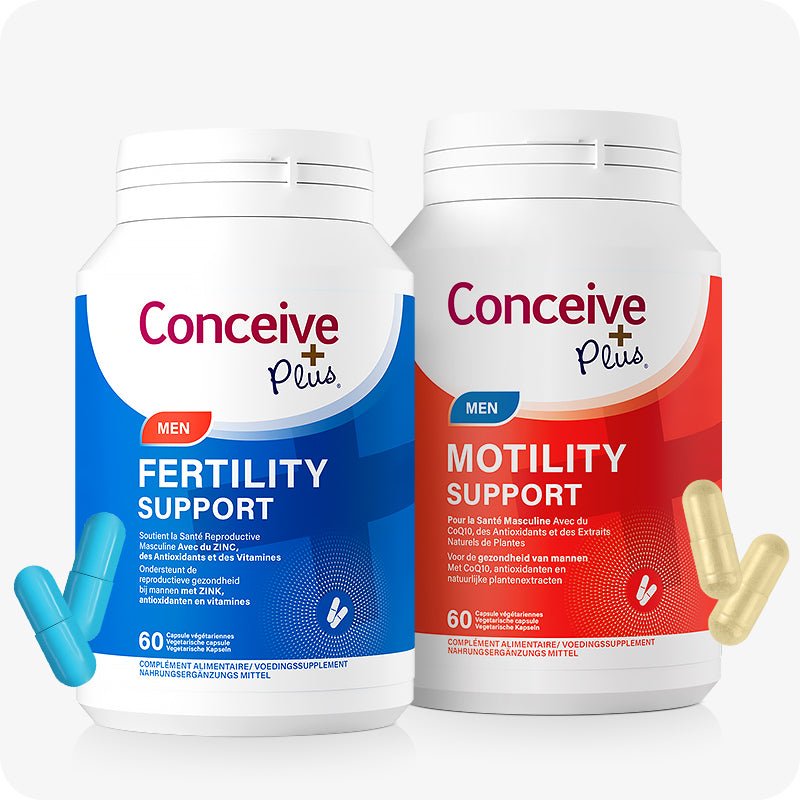
Trusted by fertility specialists worldwide — formulated with the nutrients and care your TTC journey deserves.
Shop Conceive Plus Now →
Folate (5-MTHF) and Folic Acid
Folate is essential for DNA synthesis during rapid cell division — including during follicle development, fertilisation, and early embryo growth. Inadequate folate is associated with ovulatory dysfunction, elevated homocysteine, and significantly increased risk of neural tube defects in offspring. The active form, 5-methyltetrahydrofolate (5-MTHF), is preferable over synthetic folic acid — particularly for women with MTHFR gene variants affecting folate metabolism.
Iron
The Harvard Fertility Diet research specifically identified non-haem iron (plant-based iron) as protective against ovulatory infertility. Plant sources include lentils, chickpeas, tofu, quinoa, pumpkin seeds, and fortified cereals. Pair with vitamin C to enhance absorption.
Antioxidants (Vitamins C and E, CoQ10)
Oxidative stress in the follicular environment can damage egg quality, DNA integrity, and the delicate processes of fertilisation and early embryo development. Antioxidant vitamins from a varied diet (colourful fruits and vegetables, nuts, seeds) and targeted supplementation with CoQ10 — particularly important for women over 35 — help protect against this damage.
Omega-3 Fatty Acids
EPA and DHA (the active omega-3s found in fatty fish, algae oil) support follicle development, reduce systemic inflammation, and have been associated with better IVF outcomes in several studies. Aim for 2–3 portions of oily fish per week (or algae-based DHA supplement if avoiding fish).
Vitamin D
Vitamin D deficiency is extremely common across Europe and is associated with reduced fertility, poorer IVF outcomes, and increased risk of pregnancy complications. Testing and optimising vitamin D status (target: 50–100 nmol/L) is recommended for all women TTC.
Key Nutrients for Male Fertility
The fertility diet applies to both partners. The same antioxidant-rich, Mediterranean-style dietary pattern associated with female fertility also supports optimal sperm production. Key male fertility nutrients include zinc (testosterone synthesis and DNA repair in sperm), selenium (sperm tail structural support), CoQ10 (sperm mitochondrial energy production), lycopene from cooked tomatoes (improved sperm morphology), vitamin C (sperm DNA protection), and folate (DNA synthesis during spermatogenesis).
Foods to Prioritise on a Fertility Diet
- Fatty fish (salmon, sardines, mackerel): Rich in omega-3 DHA/EPA, protein, vitamin D, and selenium. 2–3 portions per week.
- Leafy green vegetables: Spinach, kale, rocket provide folate, iron, antioxidants, and fibre. Daily consumption is a simple, high-impact nutritional habit.
- Legumes (lentils, chickpeas, beans): Outstanding source of plant protein, iron, folate, and fibre.
- Whole grains (oats, quinoa, brown rice): Lower glycaemic index, supporting stable insulin and blood sugar — important for ovulation regulation, particularly in women with PCOS.
- Full-fat dairy: The Harvard Fertility Diet found that one or more daily servings of full-fat dairy was associated with lower risk of ovulatory infertility.
- Nuts and seeds (walnuts, Brazil nuts, pumpkin seeds): Rich in omega-3s, selenium, zinc, and antioxidants.
- Colourful vegetables and fruits: Provide diverse antioxidants (carotenoids, flavonoids, polyphenols) that protect reproductive cells from oxidative stress.
Foods to Limit or Avoid
- Trans fats: Strongly associated with ovulatory infertility. Each 2% increase in calories from trans fats was associated with a 73% higher risk of ovulatory infertility in the Harvard study. Avoid anything listing "partially hydrogenated oil."
- High-mercury fish: Shark, swordfish, marlin, and certain tuna species. Limit to no more than 1–2 portions per month.
- Excessive alcohol: Heavy alcohol consumption impairs fertility in both men and women. Moderate to no consumption is advisable during active TTC.
- High glycaemic foods: White bread, refined sugar, sweet drinks spike insulin, which can disrupt ovulation by interfering with LH signalling.
- Processed meat: High red and processed meat consumption is associated with poorer semen quality and potentially higher rates of ovulatory dysfunction.
The Mediterranean Diet as a Fertility Framework
If the specifics above feel overwhelming, the Mediterranean diet provides a practical, evidence-based framework. Multiple studies have directly associated Mediterranean diet adherence with better fertility outcomes in both natural and IVF conception cycles. The core principles: olive oil as the primary fat, abundant vegetables and legumes, regular fish consumption, moderate whole grains, moderate dairy, and limited red meat and processed foods.
Fertility Diet FAQ
Q: How long does it take for diet changes to affect fertility?
A: Egg development takes approximately 90 days; sperm production takes approximately 74 days. Dietary changes made now will begin influencing the gametes produced over the next 2–3 months. Starting a fertility diet 3–6 months before TTC is ideal.
Q: Can a fertility diet reverse PCOS?
A: Diet is a central treatment modality for PCOS — particularly for women with the metabolic phenotype. Low-GI diets, weight management, and inositol supplementation have all shown clinical benefit for restoring ovulation in PCOS.
Q: Should I take a prenatal vitamin even if I eat a good diet?
A: Yes. A high-quality preconception supplement fills nutritional gaps and ensures adequate folate — particularly important in the periconception period when neural tube formation occurs. Food alone rarely provides optimal folate or vitamin D levels.
Q: Is organic food important for fertility?
A: Some pesticides and endocrine disruptors may affect fertility. Prioritising organic for the highest-pesticide produce and washing all produce thoroughly is a reasonable precaution during TTC.
Q: Can caffeine affect fertility?
A: High caffeine intake (more than 300mg/day) has been associated with slightly longer time to conception and increased miscarriage risk in some studies. Limiting to under 200mg/day is a prudent approach during TTC.
Q: What's the best diet for IVF preparation?
A: Studies suggest Mediterranean diet adherence before and during IVF is associated with better clinical pregnancy rates and live birth rates. Antioxidant intake is particularly important during the stimulation phase to protect developing follicles.
Q: Are there foods that specifically increase sperm count?
A: Walnuts (omega-3, antioxidants), cooked tomatoes (lycopene), oysters (zinc), and Brazil nuts (selenium) have specific evidence for improving sperm parameters. A broad plant-rich, antioxidant-dense diet has the best overall evidence for sperm quality.
Q: Does soy affect hormones and fertility?
A: Soy contains phytoestrogens that can bind oestrogen receptors, but at the levels found in normal dietary consumption, the evidence does not support significant adverse effects on fertility in most women. Moderate, whole-food soy consumption appears safe.
Always consult a gynaecologist, fertility specialist, or registered dietitian for personalised guidance on your fertility diet.
Trusted by fertility specialists worldwide — formulated with the nutrients and care your TTC journey deserves.
Explore the Full Conceive Plus Range →