IVF Preparation: What to Do in the 3 Months Before Your Treatment Cycle


IVF Preparation: What to Do in the 3 Months Before Your Treatment Cycle
Preparing properly for an IVF cycle can make a meaningful difference to your outcome. While IVF protocols are managed by your reproductive endocrinologist, there is a well-defined window before your cycle begins where your lifestyle choices, nutritional status, and supplement regimen can genuinely influence egg quality, uterine receptivity, and embryo development.
This guide covers the key IVF preparation steps to take in the three months before your treatment cycle — from supplement protocols to dietary changes, stress management, and the specific lifestyle factors that research links to improved IVF outcomes.
Why Three Months Before IVF Matters
The timing of IVF preparation is not arbitrary. Oocyte (egg) maturation begins approximately 90 days before ovulation — meaning the nutritional and environmental inputs you provide today directly affect the egg quality that your doctor will retrieve in your IVF cycle three months from now.
Similarly, sperm take approximately 64–74 days to mature from stem cell to fully functional spermatozoon. A partner's lifestyle and nutritional status in the 2–3 months before egg retrieval directly affects sperm DNA integrity — a critical factor in fertilisation rates and embryo development.
Three months is also sufficient time to meaningfully improve key markers like antioxidant status, vitamin D levels, and mitochondrial function — all of which are implicated in IVF outcomes.
IVF Supplement Protocol: What the Research Supports
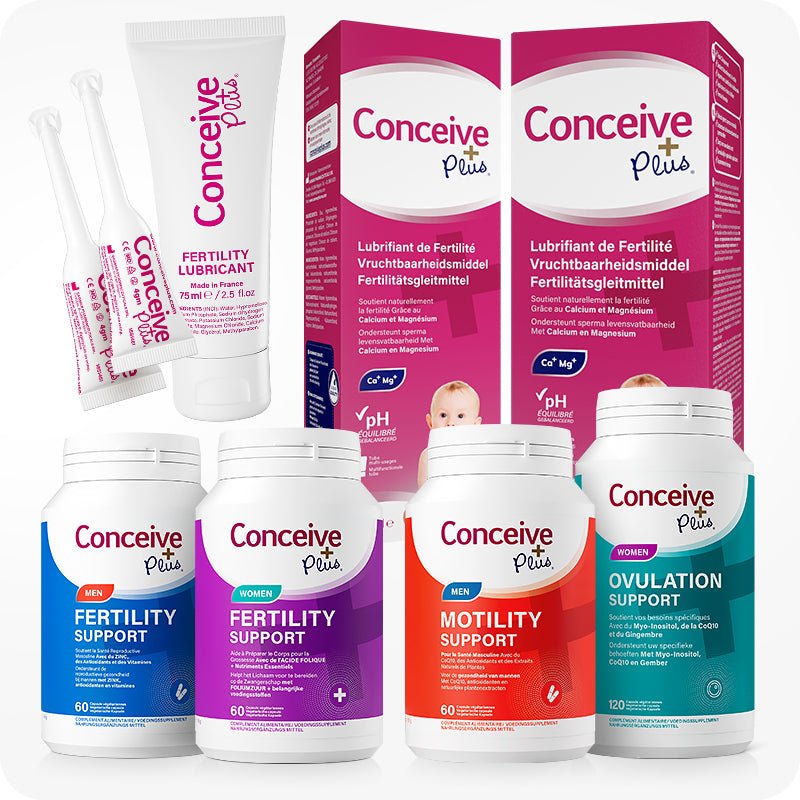
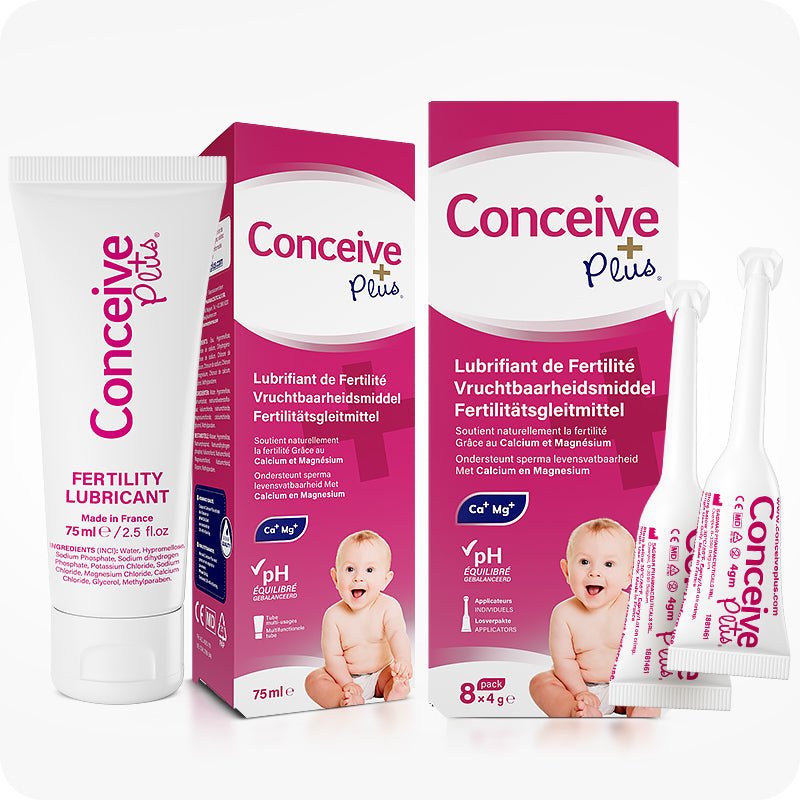
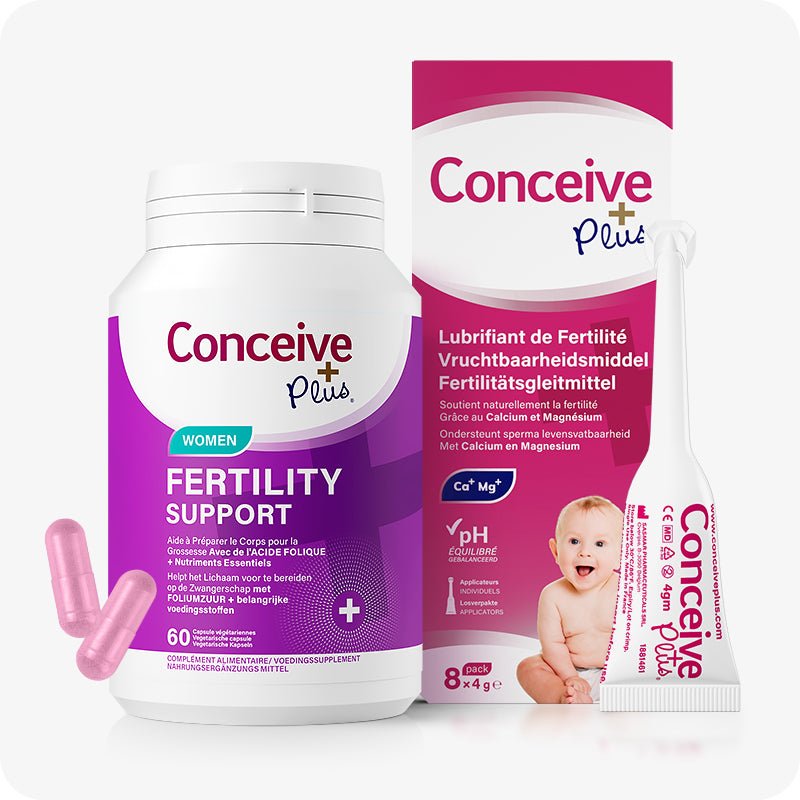
Trusted by couples worldwide, Conceive Plus offers a complete range of fertility supplements and lubricants — formulated by fertility specialists.
Explore Conceive Plus Products →
CoQ10 (300–600mg daily for women)
CoQ10 is one of the most well-researched IVF preparation supplements. A 2018 randomised controlled trial published in Fertility and Sterility found that women who supplemented with 600mg of CoQ10 daily for 60 days before IVF produced significantly more mature eggs, had higher fertilisation rates, and produced more high-quality embryos than controls.
Mechanism: CoQ10 energises egg mitochondria (eggs are the most mitochondria-rich cells in the body), supports the meiotic spindle function that determines chromosomal accuracy, and acts as a potent antioxidant inside the follicular fluid.
Methylfolate (at least 400–800mcg daily)
Folate is non-negotiable for IVF preparation. It is essential for DNA synthesis and methylation — processes central to normal embryo development. The methylated form (5-MTHF) is recommended over synthetic folic acid because it bypasses the MTHFR enzyme conversion step, which a significant percentage of women cannot perform efficiently.
Vitamin D (target serum level 40–60 ng/mL)
Multiple studies have found that women with adequate vitamin D levels have significantly higher implantation rates and clinical pregnancy rates in IVF. A meta-analysis published in Human Reproduction found that vitamin D–sufficient women had nearly a 35% higher chance of clinical pregnancy in IVF versus deficient women. Test your level and supplement accordingly — typically 2,000–4,000 IU daily for deficient individuals.
DHEA (for poor ovarian responders)
Dehydroepiandrosterone (DHEA) is used in some IVF protocols for women with diminished ovarian reserve (DOR) or poor response to stimulation. Several studies suggest 75mg DHEA daily for 12+ weeks before IVF can improve ovarian response and egg quality in this specific population. This supplement should be discussed with your reproductive endocrinologist before starting.
Omega-3 Fatty Acids (DHA + EPA)
Omega-3s improve embryo implantation by promoting a more receptive uterine environment and reducing pro-inflammatory prostaglandins that can interfere with implantation. DHA is also essential for fetal brain development from the earliest weeks of pregnancy, making it valuable to establish adequate levels before the cycle begins.
Inositol (for PCOS patients)
For women with PCOS undergoing IVF, myo-inositol supplementation has been shown in multiple RCTs to improve oocyte quality, reduce the dose of gonadotrophins required for stimulation, and lower the risk of ovarian hyperstimulation syndrome (OHSS). The standard dose is 2g myo-inositol + 200mcg folate twice daily.
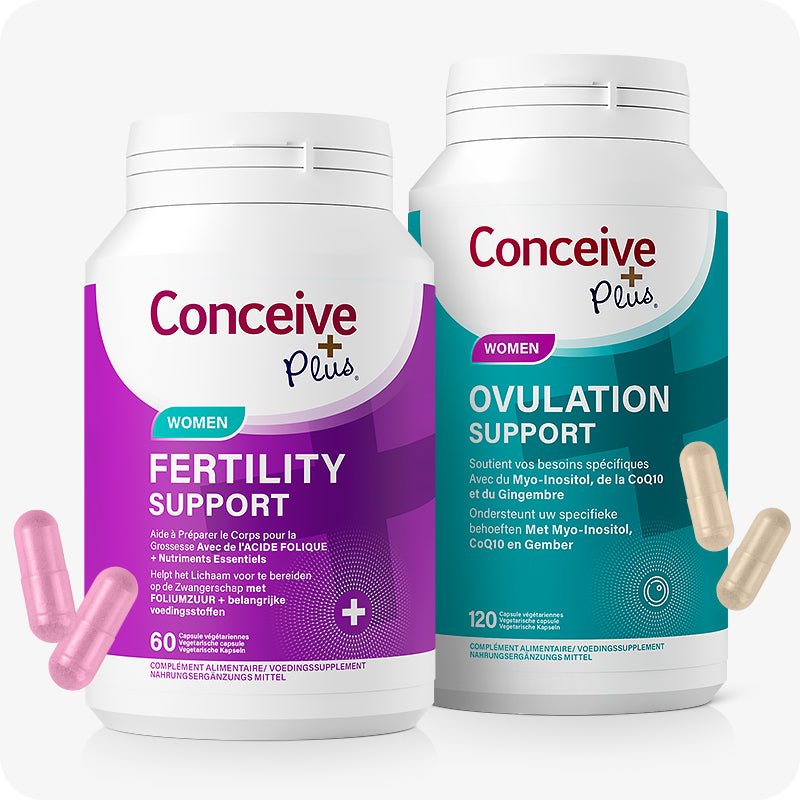
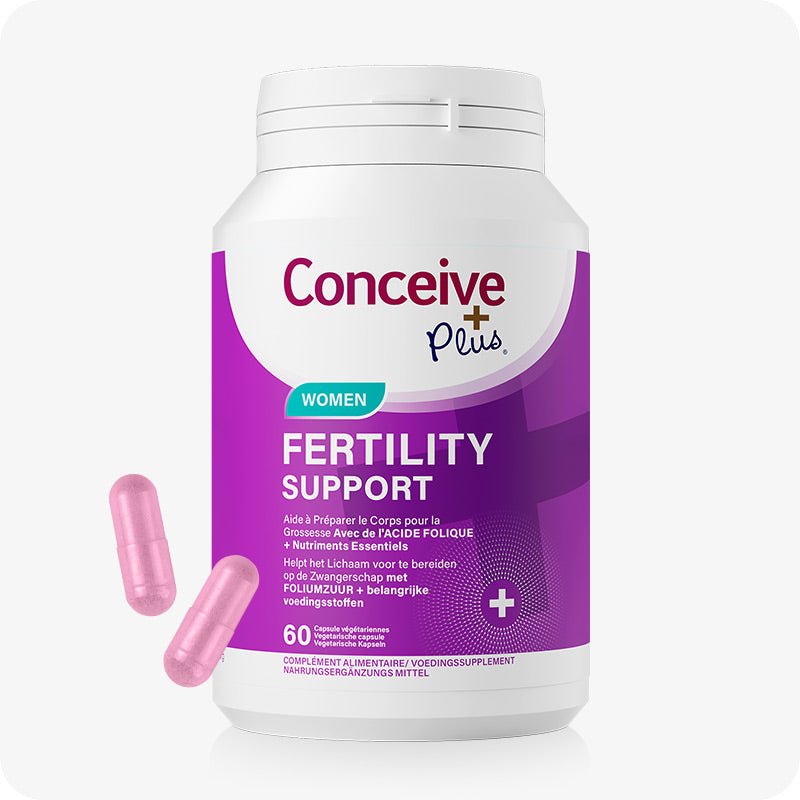
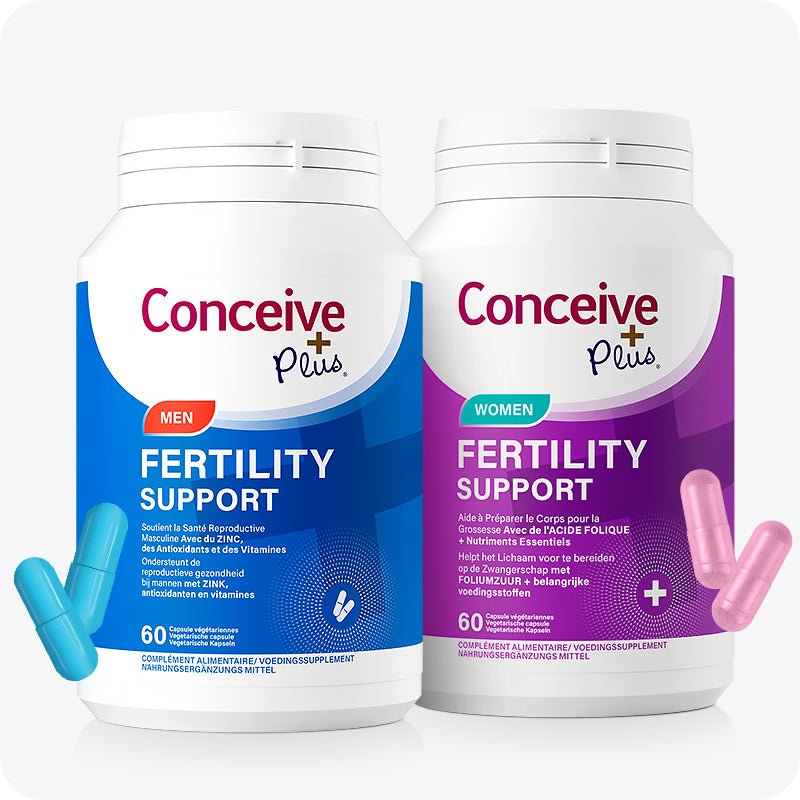
Our women's fertility supplement contains CoQ10, methylfolate, vitamin D, inositol, and essential minerals — designed to support egg quality and hormonal balance in the critical pre-IVF window.
Shop Conceive Plus Women's Fertility Supplements →
IVF Diet: What to Eat Before Your Cycle
The Mediterranean diet has the most robust evidence base for IVF outcomes. Key findings:
- A 2019 study in Human Reproduction found Mediterranean diet adherence was associated with 65–68% higher clinical pregnancy and live birth rates in IVF patients under 35
- Higher dietary antioxidant intake correlates with better oocyte quality and embryo development
- Low glycaemic index eating patterns support insulin sensitivity — relevant for PCOS patients and for the hormonal environment of stimulation
IVF diet priorities:
- 2–3 portions of fatty fish per week (salmon, mackerel, sardines)
- Abundant colourful vegetables — especially dark leafy greens, tomatoes, beetroot, red peppers
- Full-fat dairy (not low-fat) based on Harvard fertility diet research
- Legumes daily — lentils, chickpeas, kidney beans
- Olive oil as primary fat
- Whole grains rather than refined carbohydrates
- Limited processed food, sugar, and alcohol
Lifestyle Optimisation Before IVF
Alcohol
Research consistently shows that alcohol consumption before IVF reduces pregnancy rates. A Harvard study found that women who drank 4+ drinks per week had a 16% lower live birth rate per IVF cycle than non-drinkers. The safest advice is complete abstinence in the 3 months before your cycle. This applies to male partners as well.
Smoking
Smoking is one of the most damaging lifestyle factors for IVF outcomes. It reduces ovarian reserve, impairs follicular development, and is associated with significantly higher miscarriage rates. Male partners who smoke have worse sperm DNA fragmentation. Quit at least 3 months before your cycle — and ideally well before that.
Body Weight
Both underweight and overweight BMI significantly affect IVF outcomes. Overweight and obesity are associated with poor ovarian response, lower fertilisation rates, and reduced implantation rates. Even a modest improvement (losing 5–10% of body weight in overweight women) has been shown to substantially improve IVF outcomes.
Exercise
Moderate, regular exercise (150 minutes/week of moderate intensity) is beneficial before IVF — it improves insulin sensitivity, reduces stress, and supports healthy weight. However, intense, high-impact exercise during the stimulation phase should be avoided as it may affect response and carries risk of ovarian torsion with enlarged stimulated ovaries.
Sleep
Poor sleep quality and short sleep duration disrupt melatonin secretion — and melatonin is a potent antioxidant specifically found in follicular fluid, where it protects maturing eggs from oxidative damage. Prioritise 7–9 hours of quality sleep nightly. Some reproductive endocrinologists even recommend melatonin supplementation (3mg nightly) in the pre-IVF period.
Mental Health and Stress Management
IVF is psychologically demanding. Studies show that women undergoing IVF experience anxiety and depression levels comparable to women with serious chronic illnesses. While the direction of the relationship between stress and IVF outcomes remains debated, chronic stress is associated with elevated cortisol — which suppresses the hypothalamic-pituitary-ovarian axis and can interfere with ovarian response to stimulation.
Evidence-supported strategies:
- Mindfulness-based stress reduction (MBSR): Multiple RCTs show MBSR reduces IVF-related distress and may improve outcomes
- Acupuncture: Some evidence for reducing anxiety and improving uterine blood flow, though evidence for improved live birth rates is mixed
- Psychotherapy/counselling: Many IVF clinics offer this — absolutely use it if available
- Support groups: Peer support from others on the IVF journey is powerfully normalising
What Not to Do Before IVF
- Don't start new supplements without telling your clinic: Some supplements may interfere with stimulation protocols (high-dose vitamin E, for example, can be anticoagulant)
- Don't undergo invasive dental procedures during your cycle: Anaesthesia and antibiotics during stimulation are not ideal
- Don't change your regular medications without medical guidance: Discuss all medications with your RE
- Don't use hot tubs or saunas: Elevated testicular temperature impairs sperm production; avoid for 3 months before retrieval (partner)
- Don't obsess over every variable: Do the work, then let go. You cannot perfectly control the outcome, and trying to do so creates counterproductive stress
Frequently Asked Questions About IVF Preparation
Q: When should I start CoQ10 supplementation before IVF?
Ideally at least 3 months before your egg retrieval date. Research protocols typically use 60–90 days of supplementation. Start as early as possible once you know your cycle plan.
Q: Can my partner do anything to improve IVF outcomes?
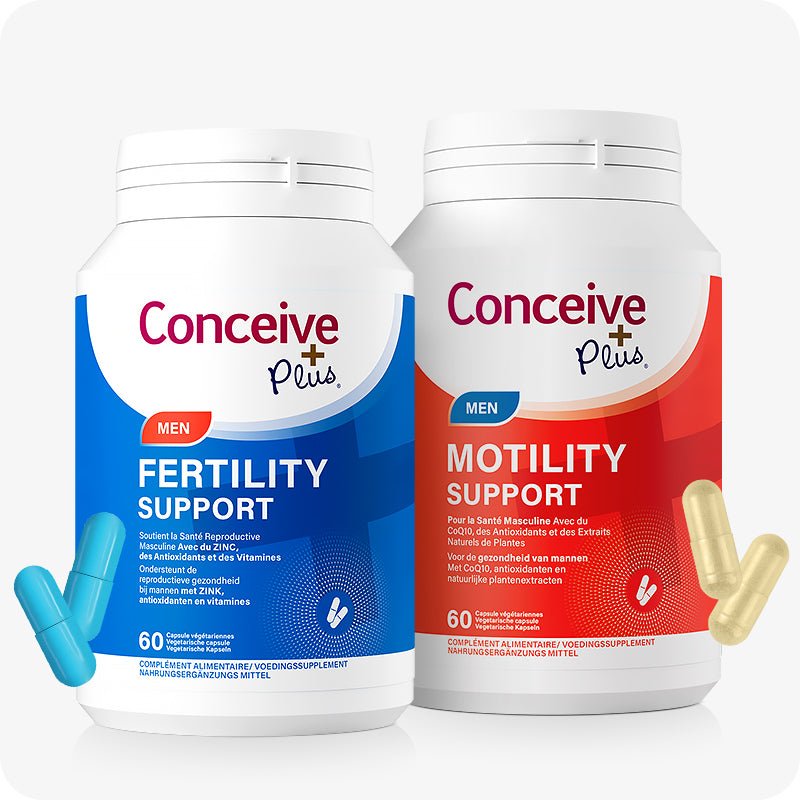
Absolutely. Sperm quality directly affects fertilisation rates and embryo quality. Partners should take a male fertility supplement with antioxidants (CoQ10, zinc, selenium, vitamin C/E), avoid alcohol and heat exposure (laptops on laps, hot tubs), and follow a healthy diet for the 3 months before retrieval.
Q: Is it safe to exercise during IVF stimulation?
Light exercise (walking, yoga, swimming) is generally safe during stimulation. Avoid high-impact, strenuous exercise during stimulation and after retrieval until your doctor clears you.
Q: Should I take melatonin before IVF?
Some reproductive endocrinologists recommend melatonin for its antioxidant effects on follicular fluid. The evidence is promising but not definitive. Discuss with your RE before starting — typical doses are 3mg nightly in the pre-cycle period.
Q: What are the most important IVF preparation steps?
If you had to prioritise: stop alcohol completely, start CoQ10 and methylfolate, optimise vitamin D, eat a Mediterranean diet, manage stress actively, and get your partner on board with lifestyle improvements too.
Q: Does stress really affect IVF success?
The data is nuanced. Catastrophic stress can suppress the HPO axis, but typical day-to-day IVF anxiety probably doesn't directly cause failure. What matters more is addressing chronic physiological stress (poor sleep, overexercising, undereating) rather than worrying about worrying.
Q: Can Conceive Plus supplements be taken during IVF stimulation?
Always check with your reproductive endocrinologist. Many clinics recommend stopping non-prescribed supplements during the actual stimulation phase and waiting until after retrieval (or for FET cycles). The pre-cycle period (3 months before) is the optimal window for supplementation.
Q: How do I know if my vitamin D level is adequate for IVF?
Ask your GP for a 25-hydroxyvitamin D blood test. The target level for IVF is typically 40–60 ng/mL (100–150 nmol/L). If deficient, supplementing for 3 months before your cycle can bring levels into the optimal range.
Conclusion: Take Control of What You Can
IVF involves surrendering a great deal to the clinical process. But the three months before your cycle offer a genuine opportunity for agency — a period where your daily choices can influence the biological inputs your IVF team works with.
Start your supplements early. Clean up your diet. Get your partner on board. Prioritise sleep and stress management. And work closely with your reproductive endocrinologist at every step. Conceive Plus is here to support your nutritional preparation with formulas built on the science of reproductive health.
Join thousands of couples worldwide who trust Conceive Plus. Our scientifically formulated fertility range is available online with fast shipping.
Shop Conceive Plus Now →