Male Fertility Guide: How to Improve Sperm Health Naturally


Male Fertility Guide: How to Improve Sperm Health Naturally
Male factor infertility is more common than many people realise. According to the World Health Organization, male factor contributes to approximately 50% of all infertility cases globally — yet men are far less likely to seek evaluation or make targeted lifestyle changes to address their reproductive health. This comprehensive guide covers everything men need to know about sperm health, what affects it, and the evidence-based strategies to improve it naturally.
Whether you're just beginning to try for a baby or have received a sub-optimal semen analysis, the actions you take over the next 10–12 weeks can meaningfully improve your sperm parameters — and your chances of conception.
Understanding Sperm Health: The Four Key Parameters
A semen analysis measures four primary parameters that determine male fertility potential:
- Sperm count (concentration): Normal is ≥16 million sperm per ml or ≥39 million total per ejaculate (WHO 2021 reference values). Lower values are classified as oligospermia.
- Sperm motility: The percentage of sperm that are actively moving. Total motility ≥42% and progressive motility ≥30% are normal. Poor motility is asthenospermia.
- Sperm morphology: The percentage of sperm with normal shape. Normal morphology ≥4% (Kruger strict criteria). Poor morphology is teratospermia.
- Sperm DNA fragmentation: Increasingly recognised as critical — even when count, motility, and morphology appear normal, high DNA fragmentation (>15–25%) is associated with failed IVF, recurrent miscarriage, and poor embryo development.
These parameters are all influenced by lifestyle, nutrition, environmental exposures, and health conditions — many of which are modifiable.
The Spermatogenesis Timeline: Why You Need 90 Days
✨ Ready to support your fertility journey? Discover the full range of Conceive Plus fertility supplements — formulated by fertility specialists, trusted by thousands of couples worldwide.
Sperm take approximately 74 days to develop from stem cells in the testes to mature spermatozoa ready for ejaculation. Add the transit time through the epididymis, and the full cycle is approximately 90 days. This is critical context for any male fertility intervention — the benefits of dietary changes, supplements, or lifestyle improvements won't be fully reflected in a semen analysis until approximately 3 months later.
This is why both partners should ideally begin a targeted preconception plan 3–6 months before their intended conception window. It's also why a single semen analysis can be misleading — repeat testing 3 months after a period of illness (fever particularly impacts sperm production), lifestyle changes, or supplementation gives a more accurate and actionable picture.
Nutrition for Male Fertility: What the Evidence Shows
The Mediterranean diet — rich in vegetables, fruits, whole grains, legumes, olive oil, and fatty fish — has the strongest evidence base for male reproductive health. Key nutrients include:
Zinc
Zinc is essential for testosterone synthesis, sperm production, and DNA integrity. Multiple randomised trials show zinc supplementation improves sperm count and motility in zinc-deficient men. Food sources include oysters (one of nature's richest zinc sources), red meat, pumpkin seeds, and legumes.
Selenium
Selenium is a component of selenoprotein P, which protects sperm DNA from oxidative damage. Deficiency is associated with impaired sperm motility. Combined zinc-selenium supplementation shows synergistic benefits in clinical research. Brazil nuts (1–2 daily provides the recommended dose), fish, and eggs are good food sources.
Vitamin C
A potent water-soluble antioxidant that protects sperm from oxidative damage. A double-blind trial found 1,000mg vitamin C daily for 60 days significantly improved sperm count, motility, and morphology. Citrus fruits, kiwi, capsicum, and broccoli are excellent dietary sources.
CoQ10 (Coenzyme Q10)
CoQ10 is found in high concentrations in the mitochondria of sperm flagella — the energy source driving sperm motility. Clinical trials consistently show CoQ10 supplementation at 200–300mg daily improves sperm motility and concentration. It also has antioxidant properties that protect sperm DNA.
L-Carnitine
Found in high concentrations in the epididymis, L-carnitine is essential for sperm energy metabolism. Meta-analyses show L-carnitine supplementation significantly improves sperm motility. It's particularly relevant for men with asthenospermia (poor motility).
Folate
Folate is not just a women's nutrient — men need it too. Dietary folate supports sperm DNA synthesis and reduces fragmentation rates. Low folate status in men is associated with increased sperm DNA damage and poorer IVF outcomes. Green leafy vegetables, legumes, and fortified grains are good sources.
Lycopene
This carotenoid (found in cooked tomatoes, watermelon, and pink grapefruit) has emerged as a promising male fertility nutrient. A Cochrane review found lycopene supplementation improved sperm concentration and morphology. Notably, bioavailability is higher from cooked tomatoes (passata, tomato sauce) than raw tomatoes.
Lifestyle Factors That Directly Impact Sperm Quality
Temperature: Keep It Cool
The testes are positioned outside the body for a reason — optimal sperm production requires temperatures 2–4°C below core body temperature. Consistently elevated scrotal temperatures impair spermatogenesis. Practical implications:
- Avoid tight underwear — choose loose-fitting boxers
- Avoid placing laptops directly on the lap for extended periods
- Limit prolonged hot baths, hot tubs, and saunas
- Avoid prolonged cycling without padded, breathable shorts
- Men with desk jobs: take standing/walking breaks regularly
Exercise: The Goldilocks Zone
Moderate regular exercise improves testosterone levels and sperm quality. However, excessive endurance training (particularly cycling for more than 5 hours per week) and anabolic steroid use are associated with significantly impaired sperm production. The optimal approach is 3–5 sessions weekly of moderate-intensity exercise including resistance training — which boosts testosterone — and cardio for cardiovascular health.
Weight Management
Obesity is directly linked to reduced testosterone, increased oestrogen (adipose tissue converts testosterone to oestrogen), and poorer sperm parameters across all four key measures. Even modest weight loss (5–10% of body weight) in overweight men shows meaningful improvements in semen analysis results. The fertility diet applies equally to male partners.
Alcohol and Tobacco
Both significantly impair sperm quality. Heavy alcohol consumption reduces testosterone and causes testicular atrophy. Smoking generates significant reactive oxygen species that directly damage sperm DNA — a key driver of male factor infertility. Even secondhand smoke exposure is associated with poorer sperm parameters. Both partners eliminating tobacco and reducing alcohol during TTC is strongly recommended.
Stress
Chronic psychological stress elevates cortisol, which suppresses GnRH and LH — the hormones that drive testosterone production and spermatogenesis. Multiple studies link high perceived stress to reduced sperm concentration and motility. Stress management isn't just wellness advice; it's male fertility medicine.
Environmental and Occupational Exposures
The modern environment is unfortunately rich in chemicals that affect male reproductive health. Endocrine-disrupting chemicals (EDCs) mimic or block hormonal signals and have become a significant focus of male fertility research:
- BPA (Bisphenol A): Found in some plastics and can linings; linked to reduced sperm quality. Choose BPA-free products and avoid heating food in plastic containers
- Phthalates: Plasticisers found in personal care products, food packaging, and PVC. Choose fragrance-free personal care products and minimise plastic food contact
- Pesticides: Agricultural workers exposed to certain pesticides show significantly impaired semen parameters. Washing produce thoroughly and choosing organic for high-exposure crops reduces risk
- Heavy metals: Lead, cadmium, and mercury are reproductive toxins. Occupational exposure requires appropriate protective equipment and regular monitoring
Conceive Plus Male Fertility Supplements
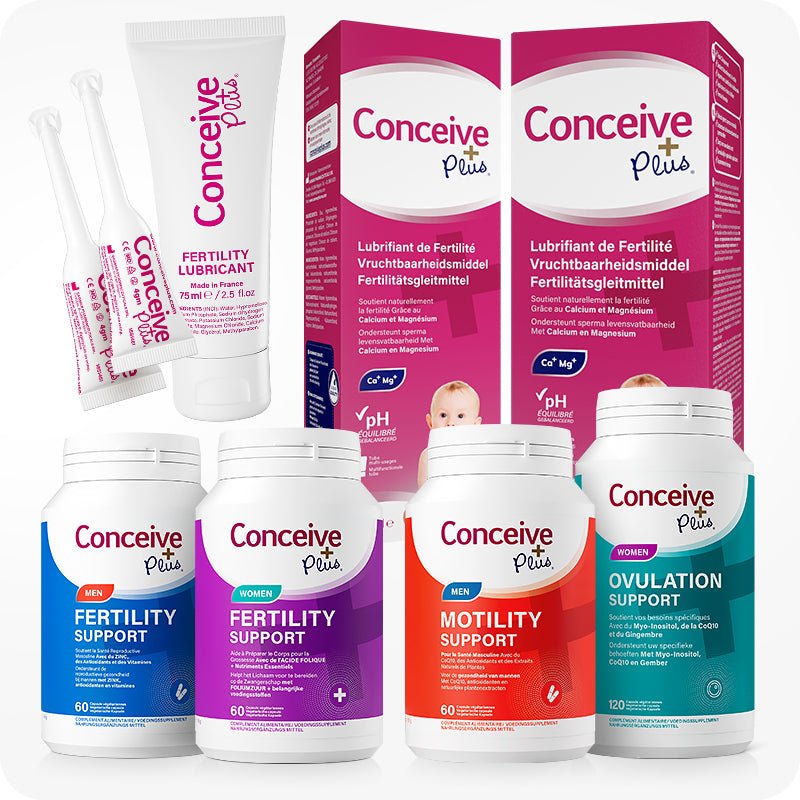
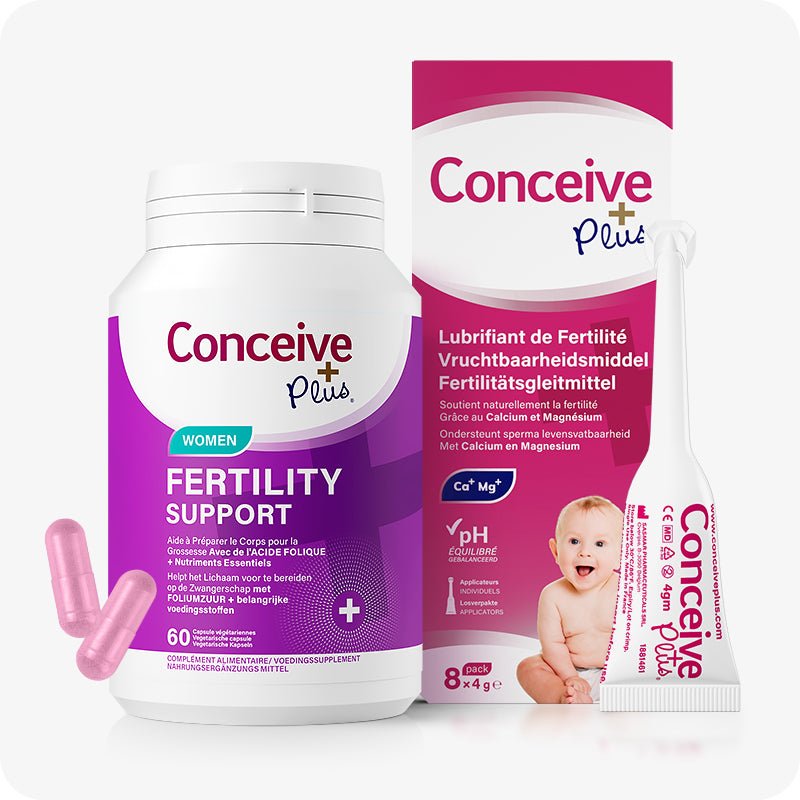
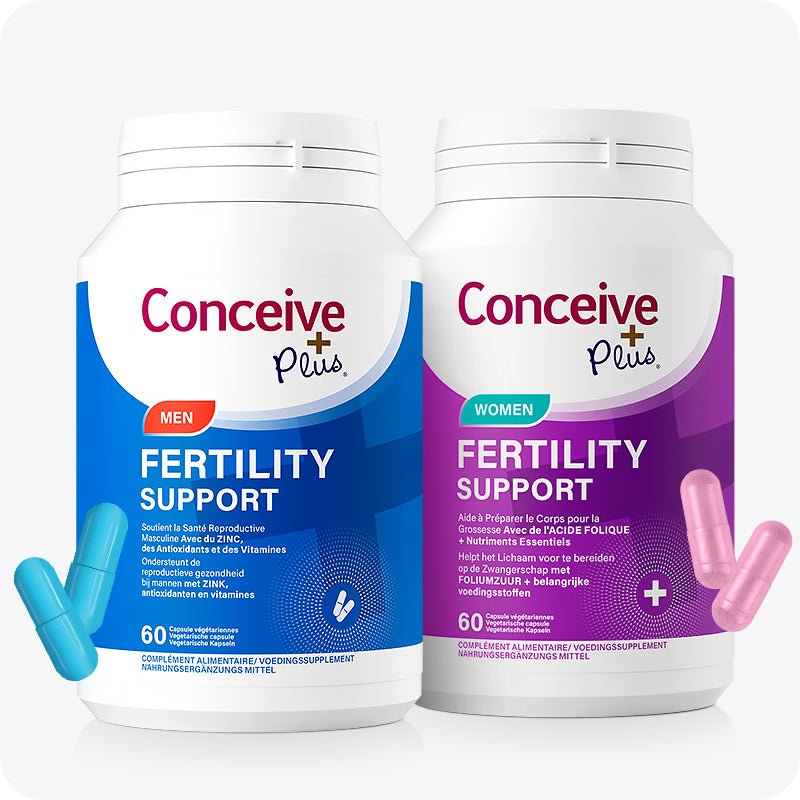
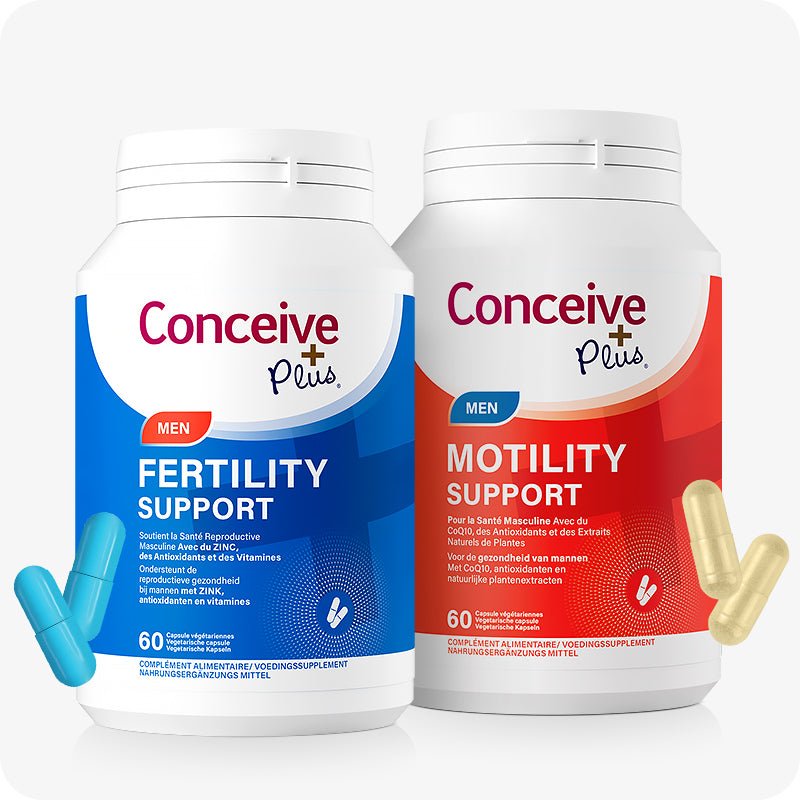
Building an effective male fertility supplement stack requires knowing which ingredients are backed by evidence — and at what doses. Conceive Plus male fertility supplements are formulated to deliver clinically relevant doses of zinc, selenium, CoQ10, L-carnitine, vitamin C, vitamin E, and folate — the core evidence-based stack for male reproductive health.
Rather than assembling multiple single supplements, Conceive Plus provides a comprehensive formula developed with reproductive specialists — simplifying supplementation and ensuring nutrient interactions are considered. Visit conceiveplus.eu/collections/fertility-supplements to explore the full Conceive Plus range for men.
When to Seek a Semen Analysis
Men are often reluctant to seek fertility testing, but early evaluation is valuable. Consider a semen analysis if:
- You've been trying to conceive for 6–12 months without success
- You have a history of testicular injury, surgery, or undescended testes
- You have a history of certain infections (mumps, STIs) affecting reproductive organs
- You've experienced reduced libido or erectile dysfunction
- You've used anabolic steroids (can cause prolonged suppression of sperm production)
At-home sperm testing kits (like YO or Trak) can provide preliminary information, but a full clinical semen analysis from a laboratory — including morphology and ideally DNA fragmentation — is the gold standard.
FAQ: Male Fertility
Q: How long should I take supplements before TTC?
A: At least 90 days, ideally 3–6 months, to allow a complete spermatogenesis cycle to reflect the improvements.
Q: Can I improve poor morphology naturally?
A: Yes. Antioxidant supplementation (vitamin C, vitamin E, selenium, CoQ10), dietary improvements, and eliminating smoking and alcohol can meaningfully improve morphology over 3–4 months.
Q: Does ejaculation frequency affect sperm quality?
A: Daily ejaculation maintains freshest sperm and actually improves morphology by reducing DNA fragmentation from prolonged storage. Having sex every 1–2 days throughout the fertile window is more effective than abstaining for days to "save up" sperm.
Q: Can a varicocele be treated with supplements?
A: Supplements can improve sperm parameters in men with varicoceles, but surgical repair (varicocelectomy) often produces more significant improvement. Both approaches are not mutually exclusive — many specialists recommend antioxidant supplementation alongside surgical evaluation.
Q: Are testosterone supplements bad for male fertility?
A: Yes. Exogenous testosterone — whether prescribed or purchased — suppresses the body's own testosterone production and can cause azoospermia (zero sperm count). Men TTC should never take testosterone supplements. CoQ10, zinc, and lifestyle optimisation support natural testosterone production safely.
Q: Does age significantly affect male fertility?
A: Male fertility declines with age, but more gradually than female fertility. Sperm DNA fragmentation increases with age, and advanced paternal age is associated with slightly higher rates of certain conditions in offspring. Optimising lifestyle and nutrition is particularly valuable for men over 40 trying to conceive.
Q: Is it safe to have sex during the entire fertile window?
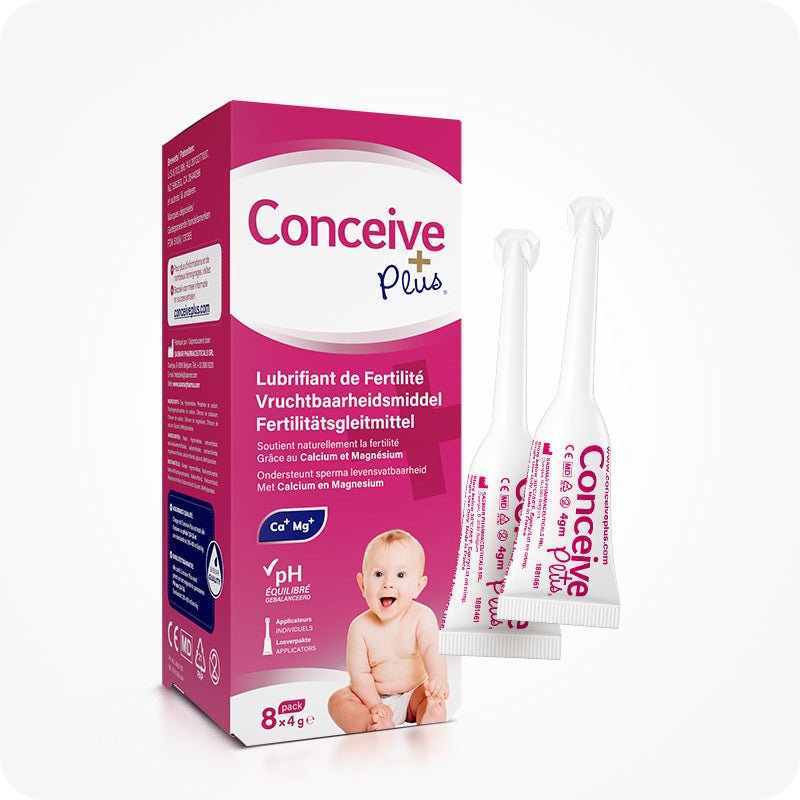
A: Yes — and research supports it. Having intercourse every 1–2 days during the fertile window (approximately 5 days before ovulation through ovulation day) gives the best conception rates. Use a sperm-friendly lubricant like Conceive Plus if needed.
Q: Can radiation from phones or laptops affect sperm?
A: Some studies suggest radiofrequency electromagnetic radiation from phones kept in trouser pockets or laptops on the lap may modestly impact sperm quality. The evidence isn't definitive, but reducing direct scrotal exposure is a reasonable precaution during TTC.
Q: What is sperm DNA fragmentation and should I test for it?
A: DNA fragmentation measures damage within the sperm's genetic material. High fragmentation (>25%) is associated with failed fertilisation, poor embryo development, and recurrent miscarriage — even when standard semen parameters are normal. Consider DFI testing if you've had recurrent miscarriages or repeated failed IVF cycles with good-quality embryos.
Q: How does Conceive Plus help male fertility specifically?
A: Conceive Plus male fertility supplements provide a comprehensive stack of clinically tested nutrients — zinc, selenium, CoQ10, L-carnitine, folate, vitamins C and E — formulated to support sperm count, motility, morphology, and DNA integrity. The convenience of one comprehensive formula ensures you hit optimal doses across all key parameters.
✨ Ready to support your fertility journey? Discover the full range of Conceive Plus fertility supplements — formulated by fertility specialists, trusted by thousands of couples worldwide.