Male Fertility: The Complete Guide to Understanding and Improving Sperm Health Naturally


Male fertility is responsible for approximately 40 to 50% of all infertility cases — a contribution that remains significantly underemphasised in public conversation, clinical practice, and research funding compared to female fertility. When couples face difficulty conceiving, the focus frequently falls on the female partner first, while male evaluation is delayed or overlooked entirely. This imbalance has real consequences: time lost, unnecessary female treatment, and missed opportunities to address a male factor that might be straightforwardly manageable.
This guide provides a comprehensive overview of male fertility — the biology of sperm production, the parameters that determine reproductive potential, the factors that damage sperm, and the full evidence-based toolkit for improving male fertility outcomes through nutrition, lifestyle, and medical intervention.
The Biology of Male Fertility: How Sperm Are Made
Sperm production — spermatogenesis — is a continuous process occurring in the seminiferous tubules of the testes throughout a man's reproductive life. The process begins with spermatogonial stem cells that self-renew and differentiate, passing through several stages of development over approximately 72 to 74 days to produce mature spermatozoa.
After production in the testes, sperm spend approximately two to three weeks in the epididymis — a coiled tube at the posterior surface of each testis — where they undergo final maturation and acquire the capacity for progressive motility and fertilisation competence. Mature sperm are stored in the epididymis until ejaculation.
The 74-day production cycle has a critical practical implication: lifestyle changes, nutritional improvements, and supplementation take approximately three months to manifest as measurable improvements in semen quality. Conversely, exposures that damage sperm — illness, heat, medication, toxins — affect sperm quality for approximately three months after the exposure.
Normal male fertility requires the following hormonal cascade to function: the hypothalamus releases GnRH (gonadotrophin-releasing hormone), which stimulates the pituitary gland to release LH (luteinising hormone) and FSH (follicle-stimulating hormone). LH drives Leydig cells in the testes to produce testosterone. FSH, combined with testosterone, drives Sertoli cells — the "nurse cells" of spermatogenesis — to support sperm development. Any disruption in this cascade — from hypothalamic, pituitary, or testicular level — impairs sperm production.
Support Male Fertility with Evidence-Based Nutrition
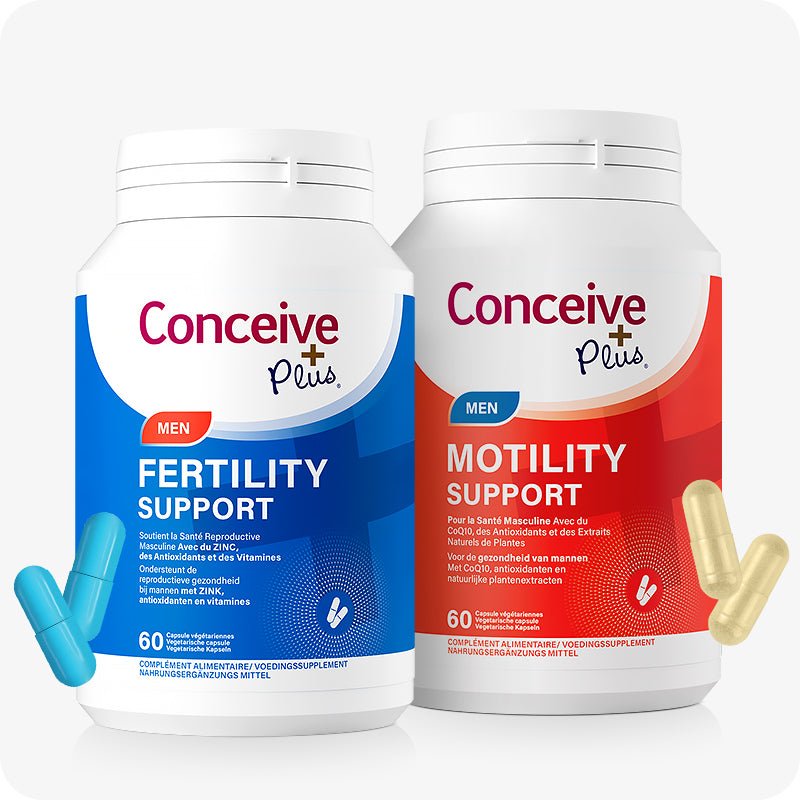
Conceive Plus Men's Motility Support is formulated with the key nutrients sperm health depends on — including L-carnitine, CoQ10, zinc, selenium, and vitamin C — backed by clinical research.
Semen Analysis Parameters: What They Mean
Semen analysis is the primary diagnostic test for male fertility. The World Health Organisation (WHO) 2021 reference ranges define the lower bounds of normal based on population studies of men who achieved pregnancy within 12 months:
Volume: 1.4 mL or more per ejaculate. Low volume (hypospermia) may indicate ejaculatory dysfunction, retrograde ejaculation, or obstruction of the seminal vesicles or ejaculatory ducts.
Sperm concentration: 16 million sperm/mL or more. Below this threshold is classified as oligospermia (low sperm count). Azoospermia — no sperm detected — may indicate either obstructive causes (blocked ducts, vasectomy) or non-obstructive causes (spermatogenic failure).
Total sperm count: 39 million sperm per ejaculate or more (concentration × volume). Total count is a more comprehensive measure than concentration alone.
Progressive motility: 30% or more of sperm moving forward in a linear or large-circle trajectory. Progressive motility is the most functionally important motility parameter — it determines the sperm's ability to navigate through cervical mucus and reach the egg.
Total motility: 42% or more of sperm showing any movement (progressive plus non-progressive). Impaired motility (asthenozoospermia) is one of the most common causes of male factor infertility.
Normal morphology: 4% or more of sperm with normal shape by Kruger strict criteria. Abnormal sperm forms include large, small, or misshapen heads; bent necks; double tails; or coiled tails. Low normal morphology (teratozoospermia) is associated with reduced fertilisation rates.
Sperm DNA fragmentation: Not included in standard semen analysis but increasingly tested in cases of recurrent miscarriage, IVF failure with normal semen parameters, or unexplained infertility. A DNA fragmentation index (DFI) above 15 to 25% is associated with poorer outcomes and is responsive to antioxidant intervention.
The Primary Causes of Male Factor Infertility
Male infertility has multiple potential causes, which are important to identify because they have different treatments and different responses to lifestyle and supplementation:
Varicocele: A varicose vein in the scrotum, present in approximately 15% of all men and 40% of men presenting with infertility. Varicocele impairs sperm quality primarily by elevating scrotal temperature (venous blood backs up into the scrotum) and increasing oxidative stress in the testicular microenvironment. It is the most common surgically correctable cause of male infertility. Varicocelectomy has been shown to significantly improve sperm parameters and natural conception rates.
Spermatogenic dysfunction: Impaired sperm production at the testicular level, with no obstructive cause. This may result from genetic factors (Klinefelter syndrome, Y chromosome microdeletions, CFTR mutations causing congenital absence of the vas deferens), prior chemotherapy or radiation, hormonal disorders, orchitis, undescended testes, or may be idiopathic (no identifiable cause). Idiopathic oligoasthenoteratozoospermia (idiopathic OAT) — the combination of low count, poor motility, and abnormal morphology without an identified cause — is the most common diagnosis in male infertility and is where nutritional and antioxidant interventions have their greatest impact.
Hormonal disorders: Hypogonadotropic hypogonadism (HH) — where the pituitary does not produce sufficient LH and FSH — causes testosterone deficiency and impaired spermatogenesis. HH can be congenital (Kallmann syndrome) or acquired (from pituitary tumours, anabolic steroid use, or obesity). It is an important cause to identify because it is highly treatable with gonadotrophin injections.
Obstructive azoospermia: Sperm production is normal but the ducts carrying sperm from the testes to the ejaculate are blocked. Causes include vasectomy, congenital absence of the vas deferens (associated with CFTR mutations), prior epididymal infections, or surgical scarring. Sperm can be retrieved surgically (TESA or PESA) and used in IVF with ICSI.
A Complete Fertility Support System for Both Partners
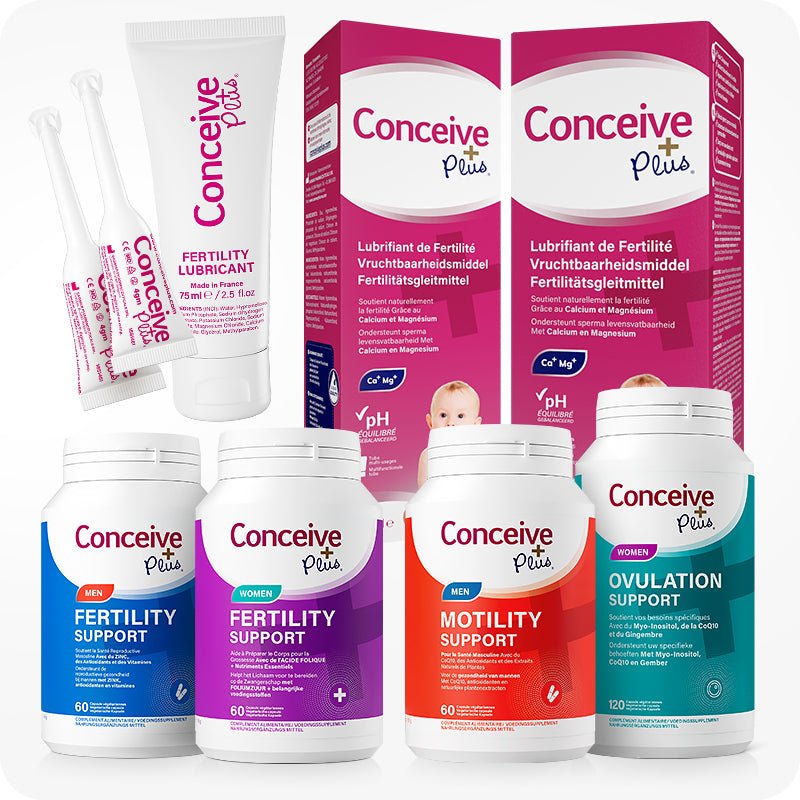
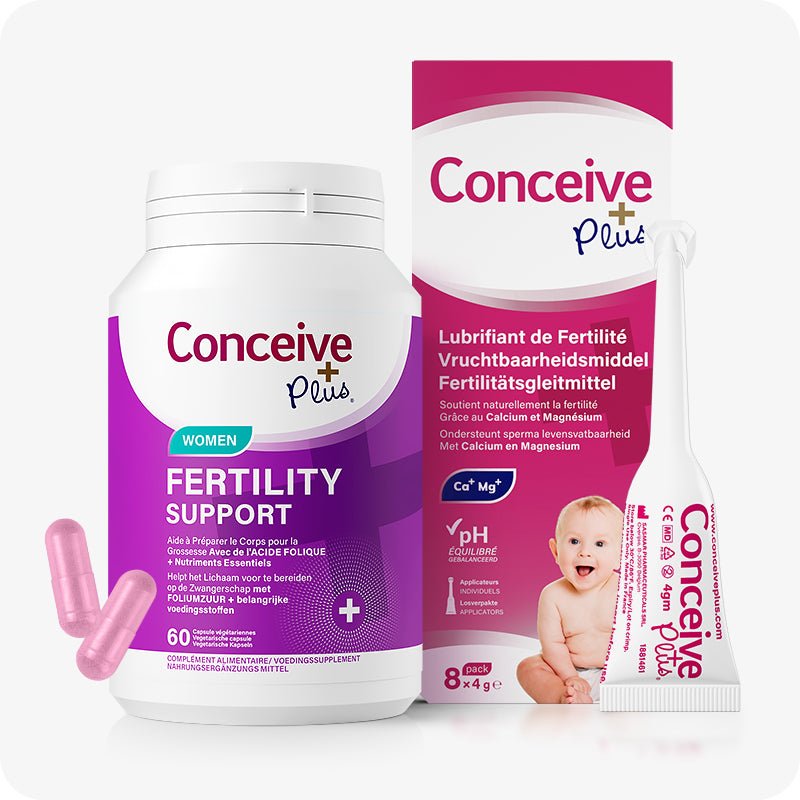
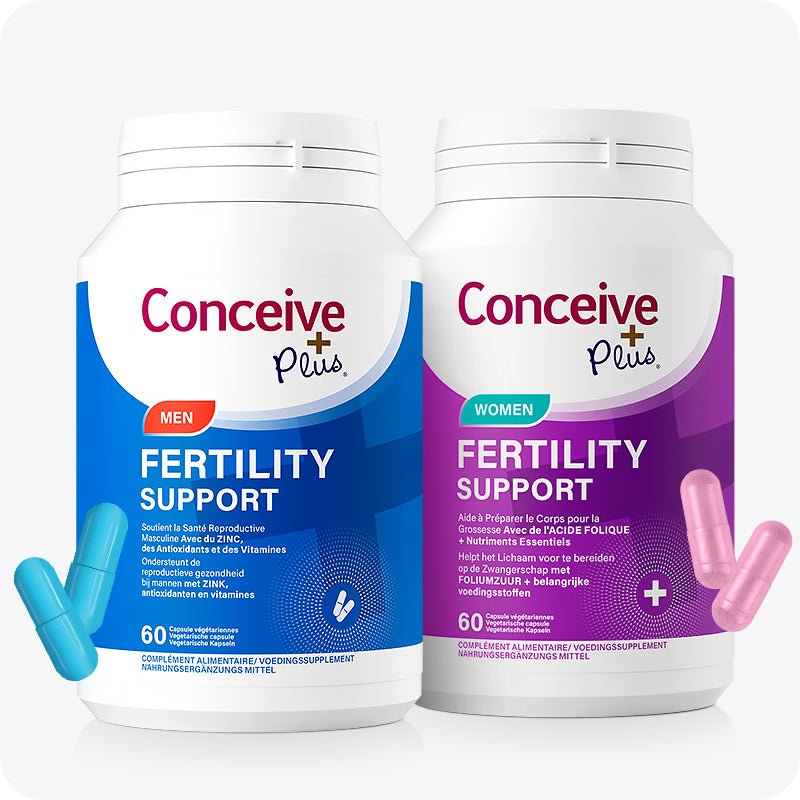
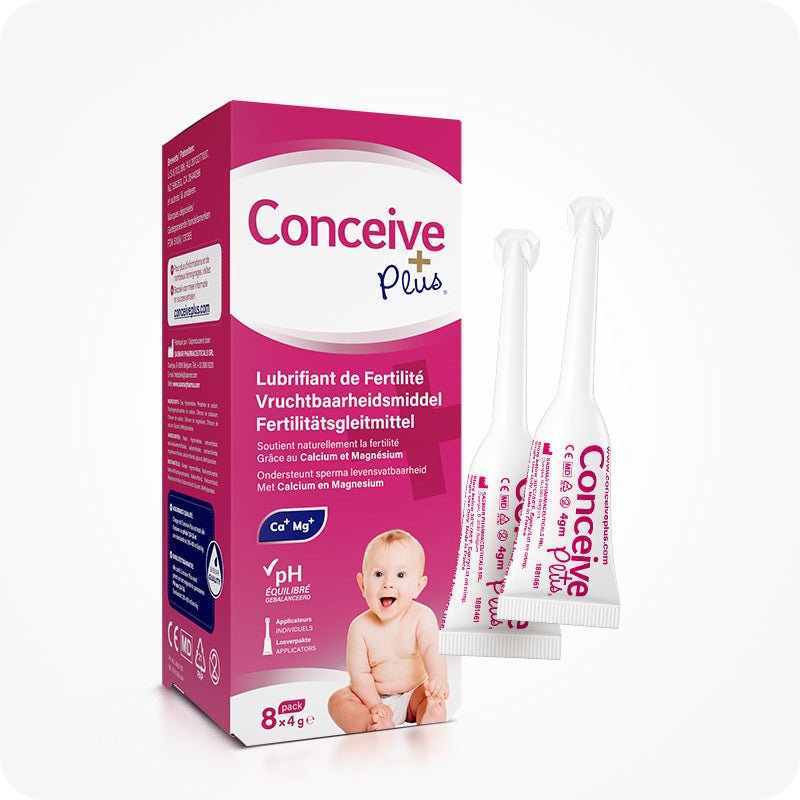
When both partners optimise their nutrition, conception chances improve significantly. Conceive Plus offers a complete range of scientifically formulated fertility supplements for women and men — plus our fertility-friendly lubricant.
Oxidative Stress: The Central Mechanism of Sperm Damage
Oxidative stress — an imbalance between reactive oxygen species (ROS) and antioxidant defences — is the most important reversible mechanism of sperm damage. Sperm are particularly vulnerable to ROS for several reasons: their cell membranes are rich in polyunsaturated fatty acids (highly susceptible to oxidative attack), they have limited cytoplasm and therefore limited antioxidant enzymes of their own, and the testicular and epididymal environment is metabolically active with inherent ROS production.
When oxidative stress exceeds antioxidant defences, ROS cause lipid peroxidation of sperm membranes — destroying their fluidity and receptor function — and directly damage sperm DNA, fragmenting the genetic material intended for the embryo. Elevated oxidative stress is found in 30 to 80% of infertile men, making it by far the most prevalent reversible mechanism.
Sources of elevated testicular oxidative stress include: varicocele, infections and leukocytospermia (elevated white blood cells in semen), environmental pollutant exposure, obesity, smoking, alcohol, psychological stress, and nutritional antioxidant deficiencies. Addressing these sources — through lifestyle change and nutritional supplementation — is the primary mechanism through which male fertility can be improved non-surgically.
Nutritional Support for Male Fertility
The nutritional environment available during spermatogenesis directly determines sperm quality. Key nutrients with the strongest evidence include:
CoQ10 (as ubiquinol): The most extensively studied supplement for male fertility. CoQ10 is essential for mitochondrial energy production in the sperm midpiece, which is packed with mitochondria that power flagellar movement. Multiple randomised controlled trials have found CoQ10 supplementation (200 to 400 mg/day of ubiquinol) significantly improves sperm concentration, motility, and morphology. A 2013 meta-analysis in the Journal of Urology confirmed significant improvements across all three parameters. CoQ10 is also a potent antioxidant that reduces sperm DNA fragmentation.
L-carnitine and Acetyl-L-carnitine: Essential for sperm energy metabolism in the epididymis. L-carnitine transports fatty acids into mitochondria for beta-oxidation, supporting the sustained ATP production required for progressive motility. The epididymis has among the highest carnitine concentrations of any organ. Multiple RCTs have shown combined L-carnitine/ALCAR supplementation significantly improves motility and pregnancy rates in infertile men. Typical doses: 1,000 to 2,000 mg L-carnitine plus 500 to 1,000 mg ALCAR.
Zinc: The most abundant trace element in male reproductive tissue, with seminal plasma zinc concentrations approximately 100 times higher than blood plasma. Zinc is essential for testosterone biosynthesis, spermatogenesis, sperm motility, and chromatin compaction (which protects DNA integrity). Zinc deficiency causes measurable reductions in testosterone, sperm count, and motility. Supplementation at 15 to 30 mg/day of bioavailable forms (zinc glycinate, picolinate, gluconate) is routinely recommended.
Selenium: Essential for the selenoprotein PHGPx (GPx5) — the most abundant protein in the sperm midpiece, required for normal sperm morphology and motility. Selenium deficiency causes characteristic sperm tail structural defects. Combined selenium and vitamin E supplementation has been shown to significantly improve motility and morphology and increase pregnancy rates. Recommended dose: 100 to 200 mcg/day of selenomethionine.
Methylfolate (5-MTHF): Essential for DNA synthesis and repair in spermatogenesis. Men with low folate status have higher rates of sperm aneuploidy (chromosomal abnormalities). The active form methylfolate is preferred due to widespread MTHFR variants that impair folic acid conversion.
Vitamin C: The most abundant antioxidant in seminal plasma — present at concentrations 8 to 10 times higher than blood. Vitamin C is the primary defence against oxidative damage to sperm in the reproductive tract. Clinical trials have found vitamin C supplementation significantly improves sperm count, motility, and morphology. Dose: 500 to 1,000 mg/day.
Vitamin D: Vitamin D receptors are present in Leydig cells (testosterone production), Sertoli cells (sperm support), and on mature sperm themselves. Deficiency is associated with reduced sperm motility. A trial of 3,332 IU/day for one year demonstrated significant testosterone increases. Dose depends on baseline status — aim for levels above 50 nmol/L.
Omega-3 fatty acids (DHA): DHA is a primary structural component of the sperm head membrane, where it is essential for membrane fluidity and the acrosomal reaction required for egg penetration. DHA deficiency is associated with sperm morphology abnormalities. Supplementation at 1,000 to 2,000 mg combined EPA/DHA daily is recommended.
Lifestyle Factors That Most Impact Male Fertility
Lifestyle modifications can produce meaningful improvements in sperm quality, particularly when the relevant negative factors are present:
Stop smoking: Cigarette smoking reduces sperm count by up to 23% in heavy smokers, reduces motility and morphology, and significantly increases DNA fragmentation. These effects are dose-dependent and largely reversible within three months of quitting. Stopping smoking is one of the highest-impact single interventions for male fertility.
Reduce alcohol: Chronic alcohol consumption reduces testosterone, impairs spermatogenesis, and increases sperm abnormalities. Even moderate intake affects sperm parameters — a dose-dependent relationship exists. Eliminating or dramatically reducing alcohol is recommended for men actively trying to conceive.
Manage weight: Obesity increases scrotal temperature through insulation effects, elevates oestrogen through aromatase activity in fat tissue, and reduces testosterone and FSH. A meta-analysis found obese men had 42% higher odds of azoospermia compared to normal-weight men. Weight loss in overweight men consistently improves testosterone levels and semen parameters.
Exercise appropriately: Regular moderate exercise improves testosterone, reduces oxidative stress, and maintains healthy weight — all benefiting sperm quality. Excessive endurance exercise (marathon training, long-distance cycling) can temporarily reduce sperm parameters through elevated cortisol and scrotal heat from bicycle seats. Resistance training is particularly beneficial for testosterone support.
Protect testicular temperature: Avoid prolonged hot baths, saunas, tight underwear, and laptop use directly on the lap. Research confirms that scrotal temperature elevation of even 1 to 2°C measurably reduces spermatogenesis. Switching to looser underwear is a simple low-risk intervention with some supporting evidence from a large Harvard study.
Reduce toxin exposure: Pesticides, bisphenol A (BPA), phthalates, heavy metals, and other endocrine disruptors can impair sperm production. Minimising exposure through organic food choices, avoiding plastic food containers, and occupational protective equipment is sensible precautionary action.
Frequently Asked Questions
Q: When should a man get a semen analysis?
A semen analysis is recommended if a couple has been trying to conceive for 12 months without success (or 6 months if the female partner is over 35). Any known risk factors — testicular injury, surgery, prior STI, chemotherapy, or signs of hormonal imbalance — warrant earlier testing. A semen analysis is non-invasive, inexpensive, and provides essential information.
Q: Can anabolic steroids cause infertility?
Yes. Anabolic steroids (exogenous testosterone) suppress the hypothalamic-pituitary-gonadal axis, dramatically reducing LH and FSH. This causes the testes to stop producing testosterone and sperm — resulting in testicular atrophy and azoospermia. Recovery typically takes several months to years after stopping. Men who have used anabolic steroids should disclose this to their fertility specialist.
Q: What does a normal semen analysis result look like?
A normal result (WHO 2021 criteria) shows: volume ≥1.4 mL; sperm concentration ≥16 million/mL; total sperm count ≥39 million; progressive motility ≥30%; total motility ≥42%; normal morphology ≥4%. All parameters should be within normal range for optimal fertility, though a borderline result in one parameter with normal others may still be compatible with natural conception.
Q: How quickly can sperm quality improve with supplements?
Because spermatogenesis takes 74 days, the full effect of supplements on semen quality takes approximately three months to be measurable. Starting a comprehensive male fertility supplement protocol three months before attempting conception, IUI, or IVF is therefore the standard recommendation.
Q: Can varicocele be treated to improve sperm quality?
Yes. Varicocele repair (varicocelectomy or embolisation) has been shown in multiple studies to significantly improve sperm count, motility, and morphology — and to increase natural and assisted conception rates. Repair is recommended for men with varicocele, abnormal semen parameters, and a partner without significant female factor infertility.
Q: Is there anything that can be done for azoospermia?
It depends on the cause. Obstructive azoospermia (blocked ducts with normal sperm production) can often be treated by surgical sperm retrieval (TESA, PESA) for use in IVF-ICSI. Non-obstructive azoospermia due to hypogonadotropic hypogonadism may respond to gonadotrophin injections. Non-obstructive azoospermia from spermatogenic failure can sometimes yield sperm via testicular biopsy (microTESE) for IVF.
Q: Does masturbation frequency affect sperm quality?
Frequent ejaculation reduces sperm concentration (as there is less time for accumulation between ejaculations). For men with normal semen parameters, this is unlikely to be clinically significant. For men with borderline or low sperm count, abstaining for 48 to 72 hours before a semen analysis or intercourse during the fertile window may produce higher quality samples.
Q: What is sperm DNA fragmentation and how is it tested?
Sperm DNA fragmentation is the percentage of sperm with damaged genetic material, measured by the DNA Fragmentation Index (DFI). Tests include the SCSA (sperm chromatin structure assay), TUNEL assay, and Comet assay. A DFI above 15 to 25% is associated with reduced fertilisation, higher miscarriage rates, and poorer IVF outcomes. Antioxidant supplementation is the primary evidence-based treatment for elevated DFI.
Q: Can age affect male fertility?
Yes, though the age-related decline in male fertility is much more gradual than in women. From approximately age 40, sperm concentration, motility, and morphology decline modestly, while DNA fragmentation increases. Older fathers have slightly higher rates of miscarriage and certain genetic conditions in offspring. However, natural conception at 50+ remains biologically possible for many men.
Q: Is it possible to have normal semen analysis but still have fertility problems?
Yes. Standard semen analysis does not measure sperm DNA fragmentation, which can be significantly elevated even when count, motility, and morphology are normal. Men with high DNA fragmentation may have normal semen analyses but poor IVF fertilisation rates or recurrent miscarriage. This is why sperm DNA fragmentation testing is increasingly used in unexplained infertility.
Conclusion
Male fertility is both more important and more modifiable than is commonly appreciated. The 74-day spermatogenesis cycle means meaningful improvements are achievable within three months through targeted nutritional and lifestyle intervention. The foundation is a comprehensive antioxidant and cofactor supplementation strategy — CoQ10, L-carnitine, zinc, selenium, methylfolate, vitamin C, vitamin D, and omega-3s — combined with the key lifestyle modifications of stopping smoking, reducing alcohol, managing weight, and protecting testicular temperature.
Male factor contributes to half of all infertility cases. Treating it with the attention, urgency, and targeted intervention it deserves is one of the most important steps any couple trying to conceive can take.
Support Male Fertility with Evidence-Based Nutrition
Conceive Plus Men's Motility Support is formulated with the key nutrients sperm health depends on — including L-carnitine, CoQ10, zinc, selenium, and vitamin C — backed by clinical research.