Miscarriage Recovery: Healing Your Body and Preparing for the Next Pregnancy


Miscarriage is one of the most common yet least discussed reproductive health experiences. In Europe and worldwide, approximately 10–20% of known pregnancies end in miscarriage — and when early losses before a positive test are included, the rate may be higher still. Despite its prevalence, the experience of pregnancy loss is often accompanied by silence, minimisation, and a lack of meaningful support.
Recovery after miscarriage is not simply a matter of waiting for your body to return to its pre-pregnancy state. It involves a complex interplay of physical healing, hormonal recalibration, emotional processing, and — for those who want to try again — careful preparation for the next pregnancy. This guide is designed to support women through all of these dimensions, with evidence-based information and compassionate clarity.
Understanding What Happens to Your Body After Miscarriage
Miscarriage is a physiological event with significant effects on the body. Understanding what is happening at a biological level can help make sense of the physical symptoms you experience and set realistic expectations for recovery.
Hormonal changes: During pregnancy, hormone levels change dramatically. Human chorionic gonadotropin (hCG) — the hormone detected by pregnancy tests — rises rapidly in the first trimester before levelling off. After miscarriage, hCG levels fall, but they don't drop immediately. Depending on how far the pregnancy had progressed, it can take days to several weeks for hCG to return to zero. This hormonal withdrawal is accompanied by physical symptoms similar to early menstruation, and it has emotional correlates as well — the body is adjusting to a sudden change in its hormonal state.
Progesterone and oestrogen also fall after miscarriage. These hormonal shifts are part of why many women describe a period of emotional rawness in the days and weeks following a loss — it is not only psychological but partly physiological.
Physical recovery timeline: For an early miscarriage (before 10 weeks), most of the physical symptoms — bleeding, cramping, and passage of tissue — resolve within 1–2 weeks. For losses later in the first trimester or in the second trimester, physical recovery takes longer. The uterus needs time to contract back to its normal size, and the endometrium needs to re-establish its normal cycling pattern.
The first period after miscarriage typically arrives within 4–6 weeks for early losses, though this varies. It may be different from your usual period in heaviness, duration, or timing. This variation is normal as the hormonal axis re-establishes its rhythm.
Medical management: Some miscarriages complete naturally; others are managed medically (with medication to help pass the tissue) or surgically (via uterine evacuation, sometimes called a D&C or ERPC). Each approach has somewhat different physical recovery trajectories, though the emotional experience is similar regardless of how the loss is managed.
Emotional Recovery: There Is No Timeline
Supporting Your Fertility Journey
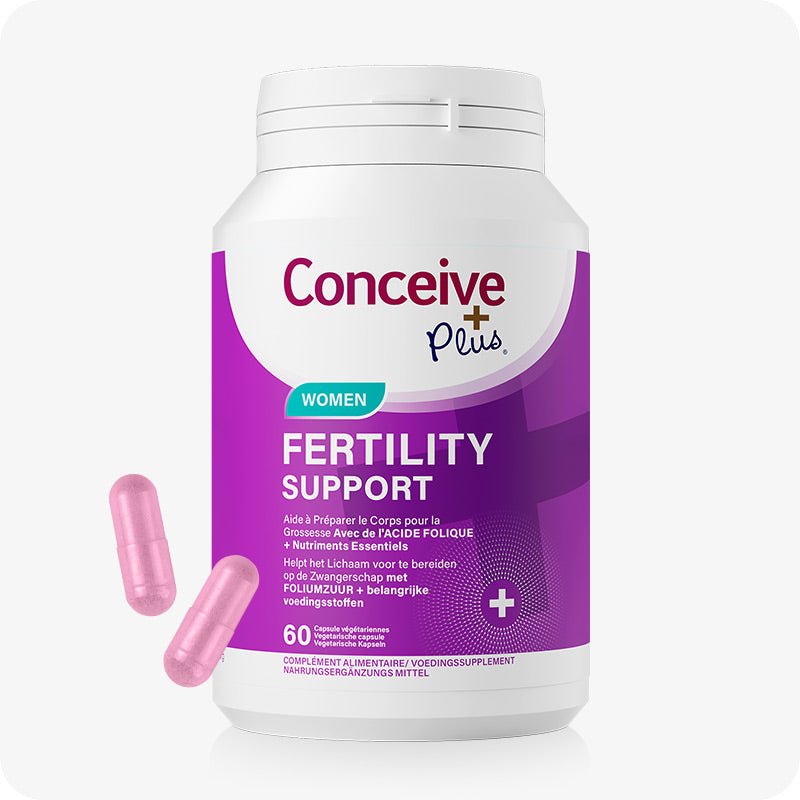
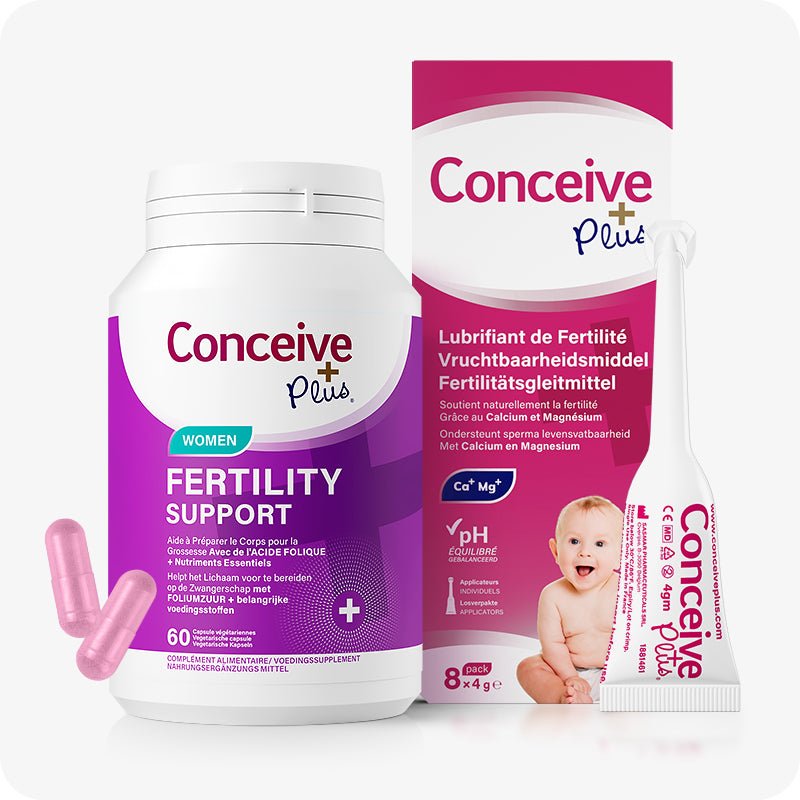
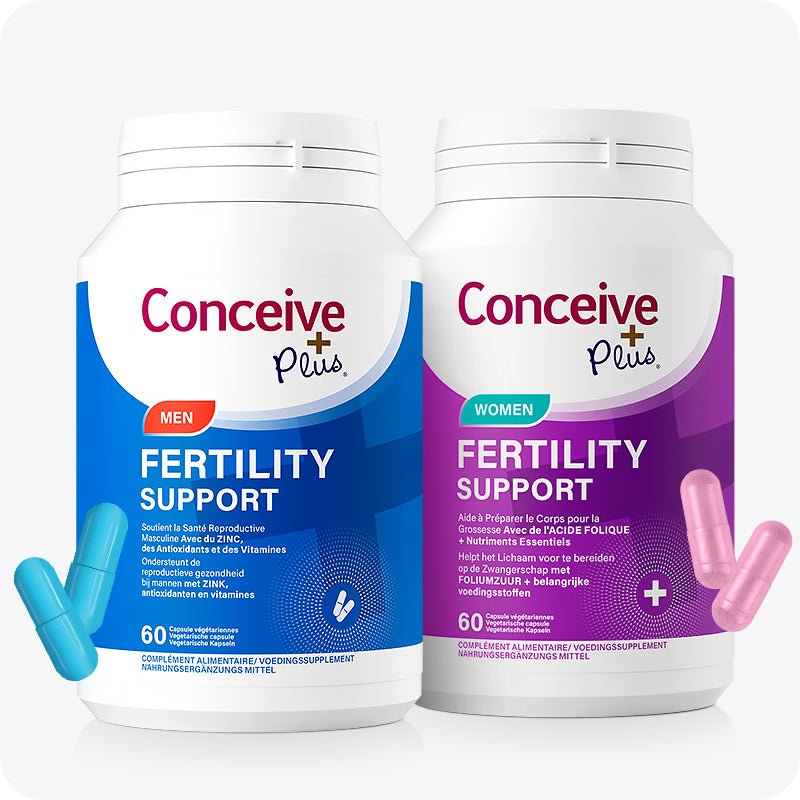
Conceive Plus Women's Fertility Support + Prenatal is clinically formulated to support replenishing key nutrients and supporting your body as you prepare for the next pregnancy. Trusted by thousands of couples worldwide.
Shop Women's Fertility Support + Prenatal →Grief after miscarriage is real. It is grief for a baby, for a future that was imagined, for a relationship that had already begun to form. The fact that a pregnancy was early, that others may not have known about it, or that miscarriage is "common" does not diminish the validity or depth of that grief.
Responses to miscarriage vary enormously. Some women feel the acute weight of grief immediately and intensely; others feel numb, disconnected, or find that the depth of their loss doesn't surface until days or weeks later. Some feel a confusing mixture of sadness, relief, guilt, and hope simultaneously. There is no "correct" emotional response to pregnancy loss.
What research and clinical experience consistently show is that minimisation — "at least it was early," "at least you know you can get pregnant," "you can try again" — while often well-intentioned, can invalidate the experience and delay genuine processing of the loss. If you've experienced this from people around you, know that your grief is legitimate regardless of its perceived proportionality.
Studies have found that approximately 20–30% of women who experience miscarriage develop clinically significant anxiety or depression in the months following. Post-traumatic stress symptoms are also documented. These are not signs of weakness — they are normal responses to a significant loss, and they deserve the same care and attention as any other mental health challenge.
Support resources that may be helpful:
- One-to-one counselling with a therapist experienced in pregnancy loss
- Peer support groups, including online communities where experiences can be shared
- Your GP, who can assess whether you would benefit from referral to mental health support
- Charities specialising in pregnancy loss offer helplines, online support, and local groups across Europe
Your partner, family member, or close friend may also be grieving — perhaps differently from you. Allow space for different expressions of loss within your relationship, and communicate about your needs even when that communication is difficult.
Nutritional Restoration After Pregnancy Loss
Pregnancy makes significant demands on the body's nutritional stores. Iron, folate, vitamin B12, vitamin D, and zinc are particularly depleted during pregnancy and further taxed during the blood loss that accompanies miscarriage. Restoring these stores is an important foundation for both physical recovery and preparation for a subsequent pregnancy.
Iron: Bleeding during miscarriage can lead to iron depletion or even anaemia. Symptoms of iron deficiency include fatigue, breathlessness, poor concentration, and pallor. Having a full blood count checked by your GP can identify whether supplementation is needed. Iron-rich foods include red meat, legumes, leafy greens, and fortified cereals. Vitamin C significantly enhances non-heme iron absorption.
Folate (as methylfolate): Folate depletion during pregnancy needs to be replenished before the next pregnancy. Moreover, folate is essential from the very beginning of a new pregnancy — before many women know they are pregnant. Continuing or resuming folate supplementation after miscarriage ensures that stores are adequate when needed.
Vitamin D: Vitamin D levels are often reduced after pregnancy. Given its role in immune function, mood regulation, and reproductive health, restoring vitamin D status after miscarriage is important both for emotional recovery (vitamin D deficiency is independently associated with depression) and for preparing the body for the next pregnancy.
Omega-3 fatty acids: DHA levels decline during pregnancy as the growing fetus draws on maternal stores. After miscarriage, restoring omega-3 status supports both brain health (relevant to mood recovery) and the anti-inflammatory environment needed for healthy follicle development and early pregnancy.
CoQ10: The oxidative stress associated with early pregnancy and its loss can deplete CoQ10. This antioxidant and mitochondrial support nutrient plays a role in egg quality — relevant for the next conception attempt — and in supporting cellular energy production during recovery.
Physical Activities and Recovery: What to Know
The timing of returning to normal physical activity after miscarriage depends on the type and gestational age of the loss.
For early miscarriages managed expectantly or medically, most women can resume light activity within a week or two once bleeding has settled. Higher-intensity exercise should wait until the body has stabilised, which typically means waiting for the bleeding to stop and for any significant pain to resolve.
After a D&C or ERPC procedure, most clinicians recommend avoiding swimming (risk of infection) and penetrative sex until the risk of infection has passed — typically 2 weeks or until bleeding has completely stopped. Other exercise can usually resume at comfort.
Physical activity plays an important role in emotional recovery. Exercise stimulates the release of endorphins, serotonin, and other neurotransmitters that support mood. Gentle movement — walking, yoga, swimming once healing is complete — can be part of a recovery-supportive routine.
Yoga and mindfulness practices have been specifically studied in women recovering from pregnancy loss, with studies finding benefits for anxiety, depression, and quality of life. These practices also support the parasympathetic nervous system — reducing the physiological stress response that can interfere with the hormonal regularity needed for fertility.
When to Try Again: Medical Guidance and Personal Readiness
The question of when to try again after miscarriage is both medical and deeply personal.
The World Health Organization (WHO) previously recommended waiting 6 months after miscarriage before attempting conception again. However, more recent research has substantially challenged this guidance. A large-scale study published in The Lancet in 2019, using data from over 1 million women, found that women who conceived within 3 months of miscarriage had significantly better pregnancy outcomes — including lower rates of miscarriage, preterm birth, and caesarean section — than those who waited 6–12 months.
Most European reproductive medicine societies now advise that if a woman is physically and emotionally ready, there is no medical reason to wait beyond one menstrual cycle (to allow dating of the new pregnancy). The first period after miscarriage signals that the uterus has returned to a normal cycling state and that ovulation has resumed.
However, "physically ready" and "emotionally ready" are not always aligned. Some women feel urgency to try again quickly; others need more time. Both responses are valid. What matters is that the decision is made with accurate information and adequate support — not from fear or pressure from others.
For women who have experienced recurrent miscarriage (typically defined as three or more consecutive pregnancy losses), specialist investigation is recommended before trying again, to identify any treatable causes such as antiphospholipid syndrome, chromosomal factors, or uterine abnormalities.
Recurrent Miscarriage: When to Seek Investigation
Approximately 1-2% of women experience recurrent miscarriage (three or more consecutive losses). While the grief and impact of two losses are real, most guidelines recommend investigation after three consecutive miscarriages, though some specialists offer earlier investigation after two, particularly in women over 35 or with other risk factors.
Investigations for recurrent miscarriage typically include:
- Antiphospholipid antibody testing: Antiphospholipid syndrome (APS) is found in approximately 15% of women with recurrent miscarriage and is a treatable cause. It involves immune antibodies that increase the risk of blood clots, which can impair placental circulation.
- Chromosomal testing (karyotyping): Both partners are tested for chromosomal abnormalities that might be contributing to pregnancy losses. Found in approximately 3–5% of couples with recurrent miscarriage.
- Uterine anatomy assessment: Structural abnormalities of the uterus — including septate uterus, fibroids, or polyps — can interfere with implantation and early pregnancy. These are assessed via ultrasound, hysteroscopy, or saline infusion sonography.
- Thyroid function testing: Thyroid disorders, including subclinical hypothyroidism, are associated with recurrent pregnancy loss. Thyroid-stimulating hormone (TSH) and thyroid antibodies are typically measured.
- Thrombophilia testing: Inherited clotting disorders may contribute to recurrent loss in some women.
Building Hope: Preparing Body and Mind for the Next Pregnancy
Recovery from miscarriage is not simply about waiting for the body to reset — it is an opportunity to actively prepare for the next pregnancy with intention and care.
The three months before trying again can be used to:
- Restore nutritional reserves depleted during pregnancy and miscarriage
- Establish a comprehensive preconception supplement regimen including methylfolate, vitamin D, iron (if deficient), CoQ10, and omega-3s
- Address lifestyle factors that affect fertility: sleep, stress management, exercise, and if relevant, weight optimisation
- Process grief and reach emotional readiness — through counselling, peer support, self-care, or simply time
- Have any relevant investigations completed if recurrent miscarriage is a concern
Many women find that having a plan — concrete, actionable steps they can take — helps restore a sense of agency after an experience that felt completely out of their control. This is not about controlling the uncontrollable, but about showing up for yourself and your future pregnancy with the best preparation possible.
Frequently Asked Questions: Miscarriage Recovery and Future Pregnancy
Q: How soon can I expect my period after miscarriage?
A: For most early miscarriages, the first period arrives within 4–6 weeks. The timing depends on how quickly hCG levels drop and ovulation resumes. If your period hasn't returned within 6–8 weeks, a check-up with your GP is appropriate.
Q: Is it safe to try again after just one menstrual cycle?
A: Research suggests that conceiving within 3 months of miscarriage is associated with excellent outcomes — potentially better than waiting longer. Physically, one menstrual cycle provides enough time for the uterine lining to restore. The decision ultimately depends on personal readiness.
Q: Why did my miscarriage happen?
A: The most common cause (accounting for approximately 50–60% of first-trimester losses) is chromosomal abnormality in the embryo — a random error in cell division, not caused by anything the parents did. Other causes include hormonal issues, uterine abnormalities, and immune factors. For many individual miscarriages, no specific cause is identified or sought.
Q: Will I miscarry again?
A: After one miscarriage, the risk of the next pregnancy also miscarrying is approximately 20% — similar to the background rate. After two miscarriages, the risk is slightly higher (approximately 28%), and after three, it rises further. This is why investigation is recommended after recurrent losses. However, most women who miscarry go on to have successful subsequent pregnancies.
Q: Should I take supplements while recovering?
A: Yes. Folate/methylfolate is particularly important given that it's needed immediately when a new pregnancy begins. Vitamin D and iron (if depleted) are important for recovery. CoQ10 and omega-3s support the preparation for the next conception. A prenatal or preconception supplement provides a good foundation.
Q: I feel guilty — could I have done something to prevent the miscarriage?
A: Almost certainly not. The vast majority of early miscarriages are caused by chromosomal abnormalities in the embryo — random errors that cannot be prevented and are not caused by anything the mother does or doesn't do. Exercise, sex, lifting, stress, and minor illnesses do not cause miscarriage. Guilt is a common and understandable response, but it is not grounded in the reality of why most miscarriages happen.
Q: When should I seek specialised investigation?
A: After three consecutive miscarriages (or two if you're over 35), specialist investigation is recommended to identify any treatable underlying causes. Some clinicians offer investigation after two losses, which is a reasonable approach given the emotional cost of additional unexplained losses.
Q: How can I support my partner through this?
A: Partners grieve differently and often have less visible support than the woman who experienced the physical loss. Check in on them, acknowledge their grief, and communicate openly about how you each feel and what you each need. If the experience is affecting your relationship significantly, couples counselling can be valuable.
Q: Is it normal to feel anxious about the next pregnancy?
A: Yes — anxiety in pregnancy following loss is extremely common and is sometimes called "pregnancy after loss anxiety" or PAL anxiety. Being aware of this likelihood can help you prepare: plan in advance how you'll manage anxiety, consider whether additional early reassurance scans would be helpful, and let your healthcare provider know about your history.
Supporting Your Fertility Journey
Conceive Plus Women's Fertility Support + Prenatal is clinically formulated to support replenishing key nutrients and supporting your body as you prepare for the next pregnancy. Trusted by thousands of couples worldwide.
Shop Women's Fertility Support + Prenatal →