Ovulation Tracking: The Complete Guide to Timing Intercourse for Conception


Ovulation Tracking: The Complete Guide to Timing Intercourse for Conception
Timing matters enormously when trying to conceive. The fertile window—the period during which conception is possible—spans approximately six days per cycle: the five days before ovulation and the day of ovulation itself. Miss it, and you wait another month. Identify it accurately, and you maximise your chances with every cycle. This guide covers every method of ovulation tracking, how to combine them for maximum accuracy, and how to time intercourse for the best results.
Understanding the Fertile Window
Ovulation—the release of a mature egg from the ovary—is the pivotal event of the menstrual cycle. The egg is only viable for 12–24 hours after ovulation. Sperm, however, can survive in the female reproductive tract for up to 5 days (with some studies suggesting up to 7 days in optimal cervical mucus). This means the fertile window opens before ovulation, making it crucial to have sperm present before the egg arrives.
In a textbook 28-day cycle, ovulation occurs around day 14—but the reality is that very few women consistently ovulate on exactly this day. Ovulation timing varies significantly between cycles and between women. Stress, illness, travel, weight changes, and hormonal fluctuations all affect timing. This is why tracking—rather than assuming—is so important.
Ovulation Predictor Kits (OPKs): How They Work
OPKs detect the luteinising hormone (LH) surge that precedes ovulation by approximately 24–36 hours. When LH rises, the dominant follicle is triggered to release its egg—so a positive OPK indicates that ovulation will likely occur within the next 12–36 hours.
Types of OPKs:
- Basic threshold strips: Inexpensive, compare test line to control line. A positive is when the test line is as dark or darker than the control.
- Digital OPKs: Display a smiley face or clear/high indicator. More user-friendly but often less sensitive to the full LH rise.
- Advanced quantitative OPKs (e.g., Clearblue Advanced): Track your personal LH baseline and identify both the rise (2 days before ovulation) and surge. Particularly valuable for women with irregular cycles or PCOS.
- Progesterone-testing OPKs: Some advanced kits now also test for progesterone, confirming that ovulation has occurred—not just predicted.
For best results: test urine in the early afternoon (not first morning urine, which may give a falsely negative result due to dilution of the LH surge), at the same time each day, starting a few days before expected ovulation.
Basal Body Temperature (BBT) Charting
After ovulation, the corpus luteum (the structure left behind in the ovary after the egg is released) produces progesterone. Progesterone raises basal body temperature by 0.2–0.5°C. By charting your temperature every morning before getting up, you can identify a sustained thermal shift that confirms ovulation has occurred.
The key limitation of BBT charting is that it's confirmatory—it tells you ovulation happened, not that it's about to happen. This means BBT alone is best used to identify your pattern over several cycles and predict when ovulation is likely in future months, rather than to time intercourse in the current cycle.
To chart BBT accurately:
- Take your temperature at the same time every morning before any activity
- Use a dedicated basal thermometer (reads to two decimal places)
- Record consistently for at least 2–3 cycles before drawing conclusions
- Note disruptions (poor sleep, alcohol, illness) that may elevate temperature
Apps like Kindara, Fertility Friend, and Natural Cycles help visualise and interpret BBT data.
Cervical Mucus Monitoring
As ovulation approaches, oestrogen triggers changes in cervical mucus that facilitate sperm transport. Monitoring these changes is one of the oldest and most reliable fertility awareness methods—the biological principle is the same whether you're using it for natural family planning or fertility enhancement.
Mucus changes through the cycle:
- Post-period (dry phase): Little or no mucus visible
- Pre-ovulatory: Mucus becomes sticky, white/cream coloured, crumbly
- Approaching ovulation: Mucus becomes wetter, more slippery, cloudy
- Peak fertility (ovulation): Egg-white cervical mucus (EWCM)—clear, slippery, highly stretchy (spinbarkeit), often described as raw egg white
- Post-ovulation: Mucus rapidly becomes thick, sticky, or absent
EWCM is the fertile-type mucus that creates channels for sperm to swim through the cervix. Intercourse during peak EWCM is timed optimally.
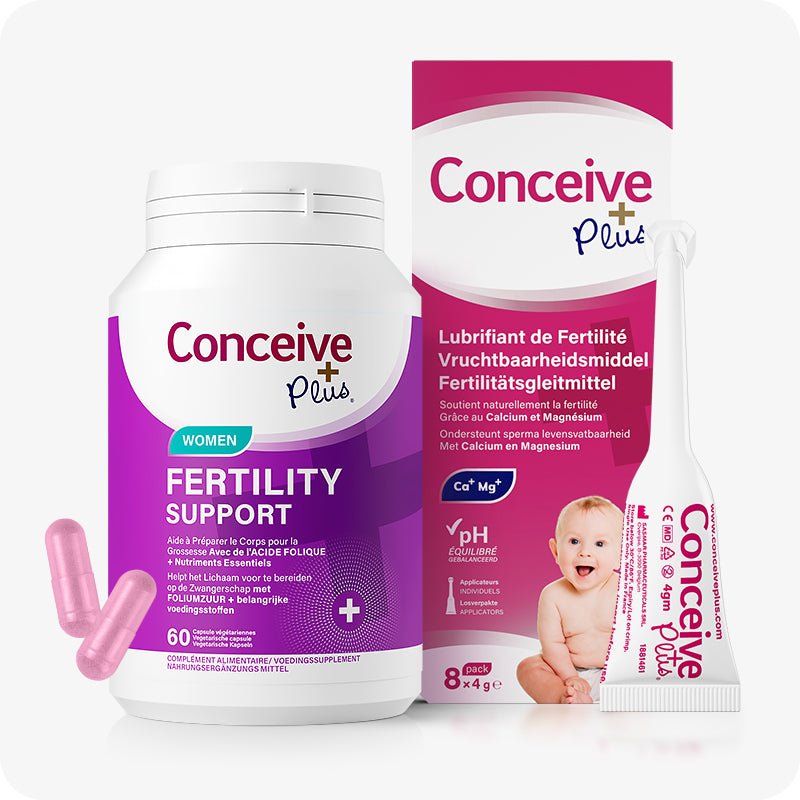
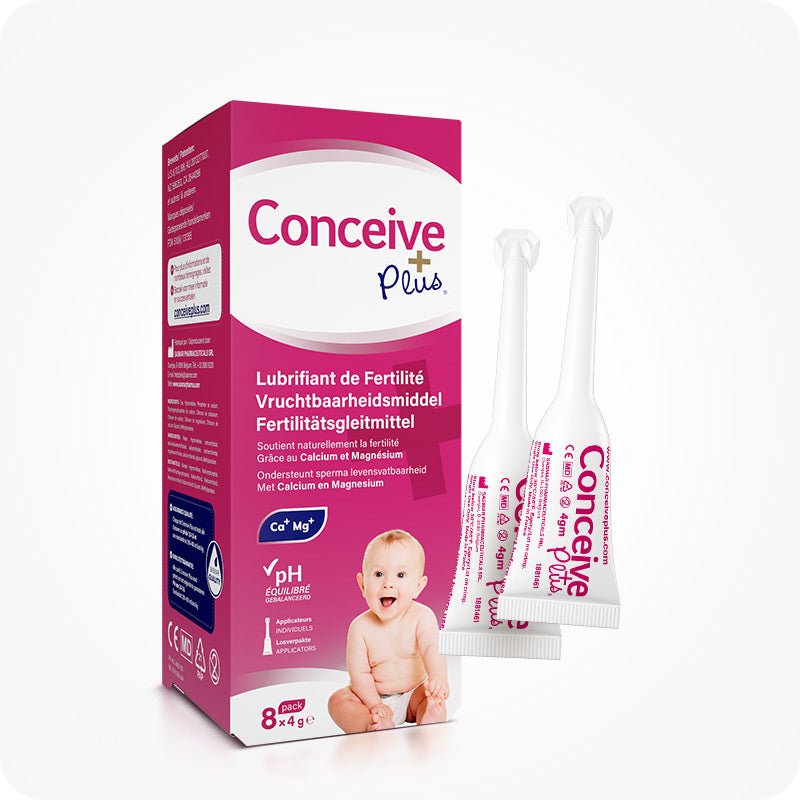
Important: Some women experience less EWCM than expected due to antihistamines, dehydration, or cervical abnormalities. In these cases, using a sperm-safe lubricant like Conceive Plus can supplement natural lubrication during the fertile window.
Combining Methods for Maximum Accuracy
Each method has strengths and limitations. Combining two or more gives the most accurate picture of your fertile window:
- OPK + BBT: OPK predicts ovulation 24–36 hours ahead; BBT confirms it occurred. Together, they bracket the event precisely.
- OPK + Cervical mucus: When your mucus is peak quality AND your OPK is positive or rising, you're at your most fertile. This combination catches more of the fertile window.
- All three: The Symptothermal Method. The most effective fertility awareness method when practised correctly—98%+ effective when used carefully for family planning, and highly accurate for TTC timing.
Apps like Natural Cycles, Ovia, and Clue help you log multiple parameters and visualise your pattern.
When to Have Intercourse
Based on the evidence, the optimal strategy for conception is:
- Have intercourse every 1–2 days from day 10 of your cycle (or 5–6 days before your expected ovulation)
- Increase frequency (daily or every other day) when OPK shows high fertility or mucus becomes fertile-quality
- Have intercourse on the day of positive OPK and the following day
- Use Conceive Plus lubricant to support sperm function, especially if cervical mucus is scarce
- Don't rely on the "save sperm" myth—frequent ejaculation maintains healthier sperm parameters than long abstinence
Position doesn't significantly affect conception success. Neither does lying still for 20 minutes afterwards—though if it's comfortable, there's no harm in resting briefly. Gravity is not a meaningful factor when sperm are already within the cervix.
Tracking Technology: Apps and Devices
The fertility tracking technology landscape has expanded dramatically. Beyond apps and OPKs, several devices are now available:
- Tempdrop: A wearable BBT sensor worn on the upper arm during sleep, compensating for irregular wake times that affect standard BBT.
- Inito: A device that tests LH, FSH, oestrogen, and progesterone from a single urine strip—providing a comprehensive hormonal picture across the cycle.
- Mira: Quantitative LH and oestrogen measurement, tracking your personal hormone curves rather than threshold values.
- Oura Ring / Apple Watch: While primarily designed for general health, these wearables can detect BBT shifts (Oura's temperature sensing is closest to clinical BBT).
For couples who have been trying for 6+ months without success, hormonal testing by a reproductive specialist provides more detailed information than any home tracker.
FAQ: Ovulation Tracking
Q: How many days before ovulation can you get pregnant?
A: Conception is possible from 5 days before ovulation (due to sperm survival) up to 24 hours after ovulation (while the egg is viable). The highest-probability days are the 2 days before ovulation and the day of ovulation itself.
Q: Can I ovulate without a positive OPK?
A: Theoretically yes—OPKs may miss a very brief LH surge if testing isn't frequent enough, or if your LH surge is atypical. This is more common with PCOS. If you consistently test negative but have regular cycles, consider more frequent testing or a quantitative device.
Q: Is late ovulation normal?
A: Ovulation on days 18–21 or later is less common but can be normal, particularly with longer cycles. What matters is consistency—if your pattern is consistently late ovulation, adjust your timing accordingly.
Q: Does stress delay ovulation?
A: Yes. Significant psychological stress can suppress or delay ovulation through hypothalamic mechanisms. This is one reason why managing stress during TTC is genuinely therapeutic, not just feel-good advice.
Q: What if I have irregular cycles?
A: Irregular cycles make timing much harder. Focus on OPK testing (starting earlier in your cycle) and cervical mucus monitoring rather than calendar methods. See a doctor if cycles are consistently over 35 days or fewer than 21 days.
Q: Can you ovulate right after your period?
A: In women with short cycles (21–24 days), ovulation can occur as early as day 7–10—meaning sperm from intercourse shortly after a period could theoretically be alive when the egg is released.
Q: Does alcohol affect ovulation?
A: Heavy alcohol consumption can disrupt the hormonal regulation of ovulation. Moderate alcohol may not cause anovulation but is generally discouraged when trying to conceive for other health reasons.
Q: What lubricant should I use during fertile intercourse?
A: Use a fertility-formulated lubricant like Conceive Plus. Most conventional lubricants significantly impair sperm motility. Conceive Plus is pH-matched to fertile cervical mucus and contains calcium and magnesium ions that support sperm capacitation.
Q: How reliable is the calendar method?
A: The calendar method (predicting ovulation as 14 days before the expected period end) is unreliable for most women because cycle length and ovulation timing vary. Always use at least one direct ovulation indicator (OPK or mucus monitoring).
Q: When should I see a doctor about ovulation?
A: See a doctor if you've been trying for 12 months without success (or 6 months if over 35), if OPKs never show a positive, if your cycles are very irregular, or if BBT charts show no thermal shift (suggesting anovulation).