Endometriosis and Fertility: A Complete Guide to Understanding the Connection and Your Treatment Options


Understanding Endometriosis and Its Impact on Fertility
Endometriosis is a chronic condition in which tissue similar to the endometrium (the lining of the uterus) grows outside the uterus — typically on the ovaries, fallopian tubes, bladder, bowel, and the tissue lining the pelvis. This misplaced tissue responds to hormonal changes during the menstrual cycle, thickening, breaking down, and bleeding, just as the uterine lining does. But because this blood and tissue have no way to exit the body, they cause inflammation, scarring, adhesions, and chronic pain.
Endometriosis affects approximately 1 in 10 women of reproductive age worldwide. Among women with infertility, the prevalence is significantly higher — studies suggest that 25–50% of women with infertility have endometriosis. The severity of endometriosis does not always correlate with fertility impact; even minimal or mild endometriosis can affect a woman's ability to conceive.
This article explores the relationship between endometriosis and fertility, the mechanisms by which endometriosis affects conception, and the range of treatment options available to support your fertility journey.
How Endometriosis Affects Fertility
Supporting Your Fertility Journey
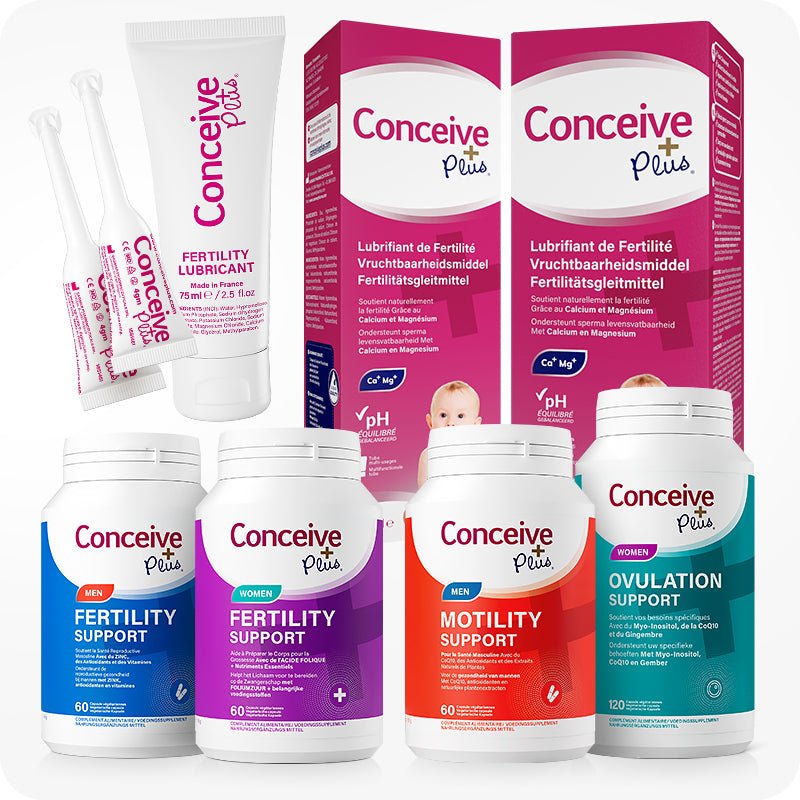
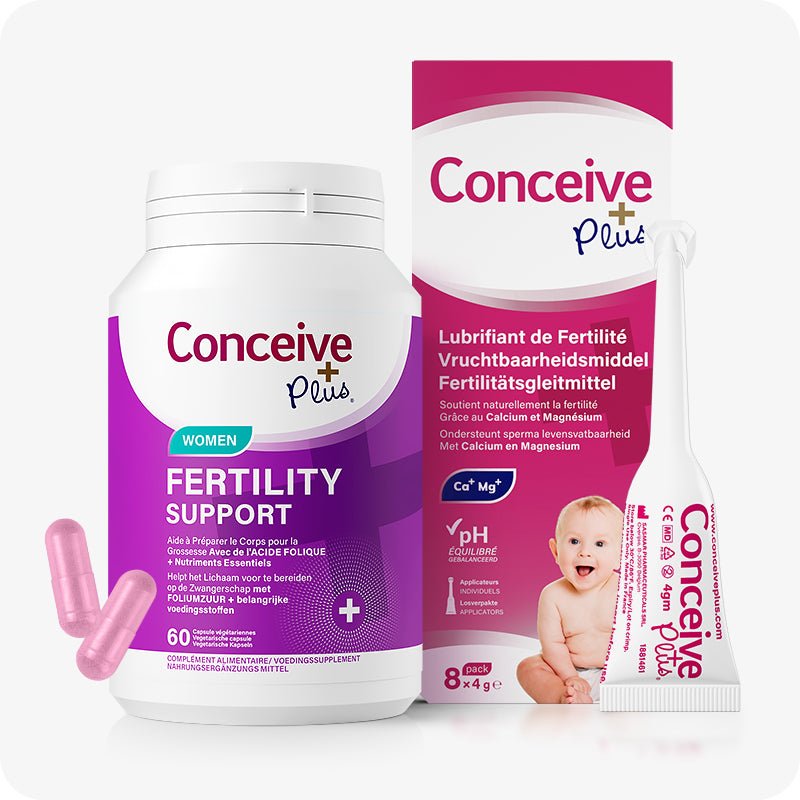
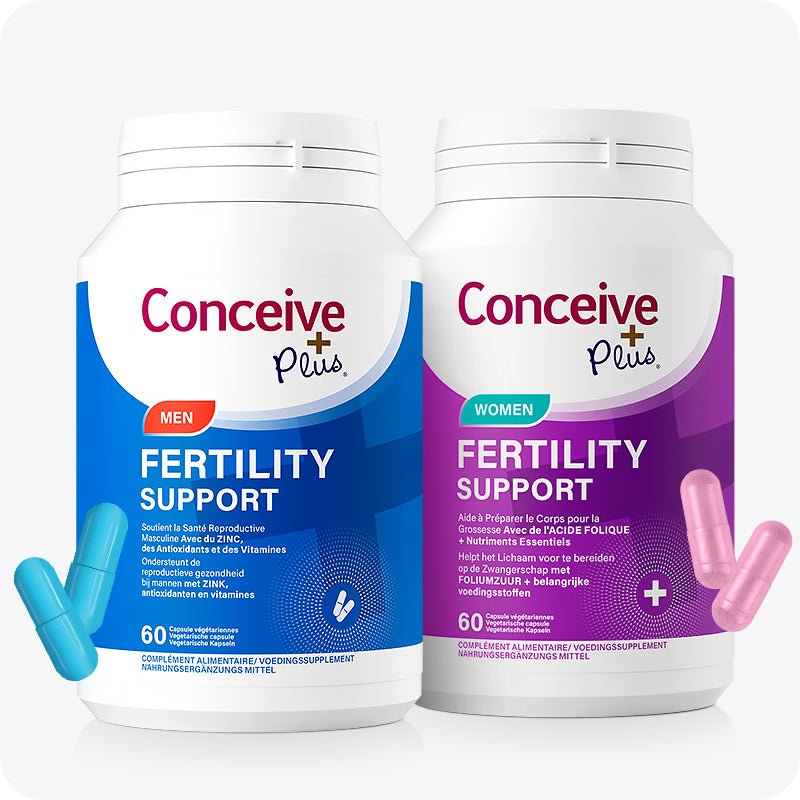
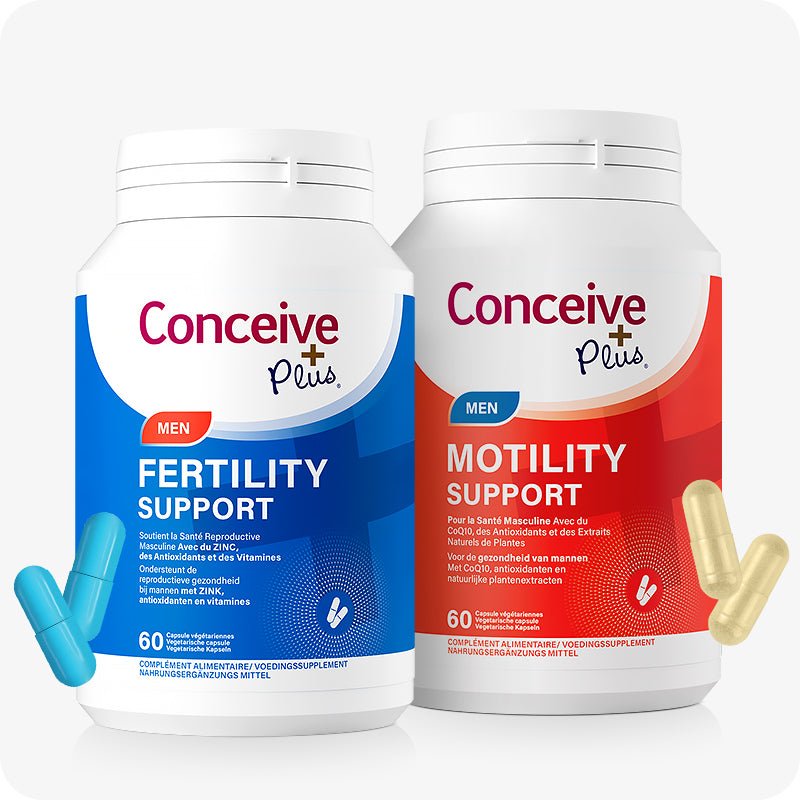
Conceive Plus products are formulated by fertility specialists to work with your body — not against it. From fertility-friendly lubricants clinically tested to match the pH and osmolality of fertile cervical mucus, to targeted nutritional supplements for both men and women, our range supports every step of your conception journey.
Endometriosis can interfere with fertility through several different mechanisms, and often more than one is at play.
Anatomical Disruption
Endometriosis can cause adhesions and scar tissue that distort the normal anatomy of the reproductive organs. The fallopian tubes may become blocked or kinked, preventing the egg and sperm from meeting. The ovaries may become adhered to the pelvic sidewall or to each other (sometimes called kissing ovaries), interfering with the release of an egg during ovulation.
Inflammation and the Pelvic Environment
Endometriosis is fundamentally an inflammatory condition. The presence of endometrial-like tissue outside the uterus triggers a chronic inflammatory response in the pelvic cavity. This inflammatory environment can impair sperm function, interfere with the ability of the fallopian tube to capture and transport the egg, and create a hostile environment for embryo implantation.
Ovarian Reserve and Egg Quality
Endometriomas (ovarian endometriosis cysts, sometimes called chocolate cysts) can damage healthy ovarian tissue, reducing ovarian reserve. Additionally, the inflammatory environment may affect egg quality, even in women with apparently normal ovarian reserve. Some studies suggest that women with endometriosis have a lower response to ovarian stimulation during IVF compared to women without the condition.
Implantation Issues
Even when fertilisation occurs, endometriosis may affect the uterine environment. Some research suggests that the endometrium (uterine lining) of women with endometriosis may have subtle differences in gene expression and receptivity, potentially reducing the likelihood of successful implantation.
Diagnosing Endometriosis
Diagnosing endometriosis can be challenging, as symptoms vary widely and there is no simple non-invasive test. The average time to diagnosis is 7–10 years from symptom onset.
Symptoms to Watch For
- Chronic pelvic pain, especially severe period pain (dysmenorrhoea) that does not respond well to over-the-counter pain relief
- Pain during or after intercourse (dyspareunia)
- Painful bowel movements or urination, particularly during your period
- Heavy menstrual bleeding or bleeding between periods
- Fatigue, bloating, nausea, and digestive issues (sometimes mistaken for IBS)
- Difficulty conceiving
Diagnostic Methods
- Pelvic examination: May detect tender nodules or fixed, retroverted uterus
- Ultrasound: Can identify endometriomas and some deep infiltrating endometriosis
- MRI: Provides detailed imaging of endometriosis lesions and anatomical distortion
- Laparoscopy: The gold standard for diagnosis — a surgical procedure in which a camera is inserted into the pelvis to visualise endometriosis lesions directly. Biopsies can confirm the diagnosis.
Treatment Options for Endometriosis-Related Infertility
The approach to managing endometriosis-related infertility depends on the severity of the disease, the woman's age, ovarian reserve, and how long the couple has been trying to conceive.
Surgical Treatment (Laparoscopy)
Laparoscopic excision of endometriosis lesions is the gold standard treatment. In women with moderate to severe endometriosis, surgical excision significantly improves pregnancy rates. Studies show that surgically removing endometriosis lesions can restore fertility in many women, with natural conception rates of 20–60% in the 12–18 months following surgery.
For women with minimal to mild endometriosis, surgical ablation (burning) or excision of lesions also improves pregnancy rates compared to diagnostic laparoscopy alone, though the improvement is more modest.
Ovulation Induction and IUI
For women with early-stage endometriosis and no tubal damage, ovulation induction (using letrozole or clomiphene citrate) combined with intrauterine insemination (IUI) can be an effective first-line treatment. Pregnancy rates per cycle range from 10–20% depending on age and other factors.
In Vitro Fertilisation (IVF)
IVF is often recommended for women with more advanced endometriosis, blocked fallopian tubes, or who have not achieved pregnancy with other treatments. IVF bypasses many of the barriers caused by endometriosis, as fertilisation occurs in the lab and embryos are transferred directly into the uterus.
The success rates of IVF in women with endometriosis are generally good, though some studies suggest slightly lower pregnancy rates compared to women with other causes of infertility. Pre-treatment with GnRH agonists (hormonal suppression) for 2–3 months before IVF may improve outcomes.
Lifestyle Strategies to Manage Endometriosis and Support Fertility
While lifestyle changes cannot cure endometriosis, they can help manage symptoms and support overall fertility:
- Anti-inflammatory diet: Emphasise whole foods, fruits, vegetables, omega-3 rich fish, and healthy fats. Reduce red meat, processed foods, and trans fats.
- Regular exercise: Moderate exercise reduces inflammation and helps manage pain.
- Stress management: Chronic stress worsens inflammation. Mindfulness, yoga, and adequate sleep are particularly helpful.
- Avoid environmental toxins: Endocrine disruptors in plastics and pesticides may worsen endometriosis. Choose glass over plastic and eat organic where possible.
Choosing the Right Fertility Lubricant
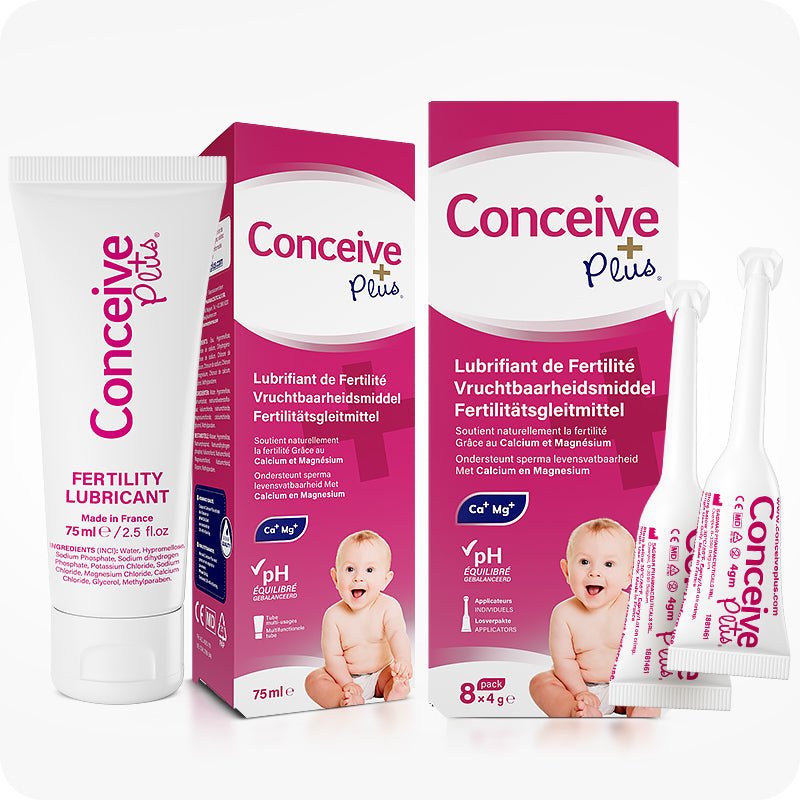
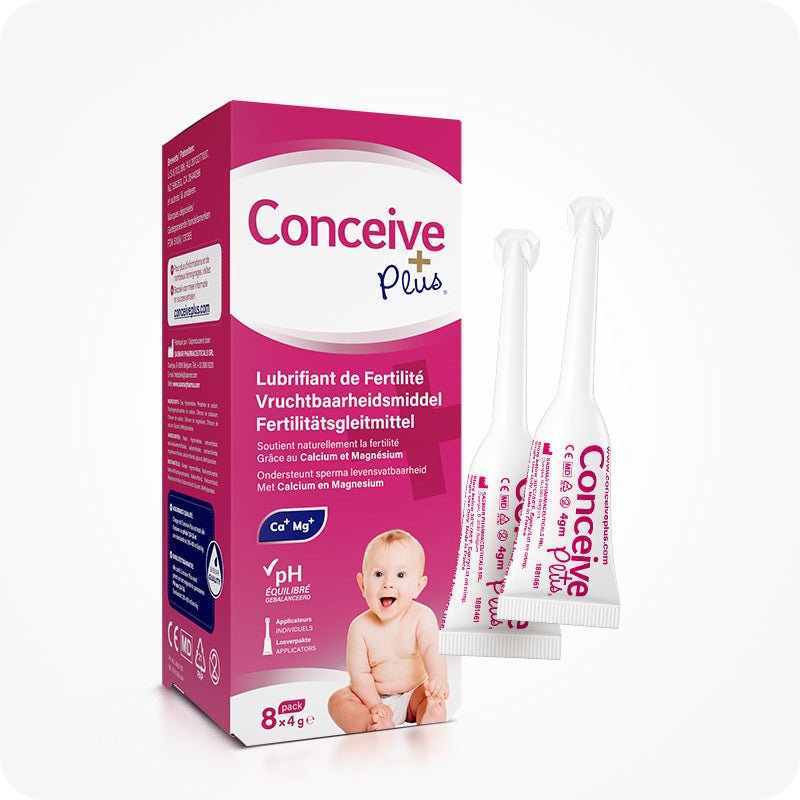
For women with endometriosis, intercourse can sometimes be painful, and lubricants may be needed. However, standard lubricants can impair sperm function. A fertility-friendly lubricant that matches the natural pH and osmolality of fertile cervical mucus is the best choice. Conceive Plus is clinically tested to support sperm survival and motility, providing comfortable lubrication without compromising fertility.
Frequently Asked Questions About Endometriosis and Fertility
Can I get pregnant naturally with endometriosis?
Yes, many women with endometriosis conceive naturally, particularly those with mild to moderate disease. The likelihood depends on age, the stage of endometriosis, and other fertility factors.
Does endometriosis always cause infertility?
No. Many women with endometriosis have no difficulty conceiving. However, endometriosis is significantly overrepresented among women with infertility, suggesting a strong association.
Should I have surgery for endometriosis before trying IVF?
For large endometriomas (over 3–4 cm) or deep infiltrating endometriosis, surgical excision before IVF may improve outcomes. However, ovarian surgery carries a risk of reducing ovarian reserve, so this decision should be made carefully with your specialist.
Does pregnancy cure endometriosis?
Pregnancy provides a temporary reprieve from symptoms due to the hormonal changes, but it is not a cure. Endometriosis symptoms may return after childbirth.
Can diet improve endometriosis?
An anti-inflammatory diet can help manage symptoms, reduce inflammation, and support overall fertility, but it does not eliminate endometriosis lesions.
Does endometriosis affect egg quality?
Some studies suggest that endometriosis — particularly advanced disease — may be associated with reduced egg quality, possibly due to chronic inflammation in the pelvic environment.
Is IVF less successful with endometriosis?
Overall IVF success rates in women with endometriosis are good, though some studies report slightly lower pregnancy rates compared to women with other causes of infertility, particularly in advanced stages.
Can endometriosis come back after surgery?
Yes. The recurrence rate of endometriosis after surgery is estimated at 20–40% over 5 years, depending on the severity of the disease and the completeness of excision.
Does endometriosis affect male partners?
Endometriosis primarily affects women, but the pain, fatigue, and emotional toll can affect relationships. Partners may also feel helpless or distressed. Couples counselling can be helpful.
What products from Conceive Plus help with endometriosis-related fertility?
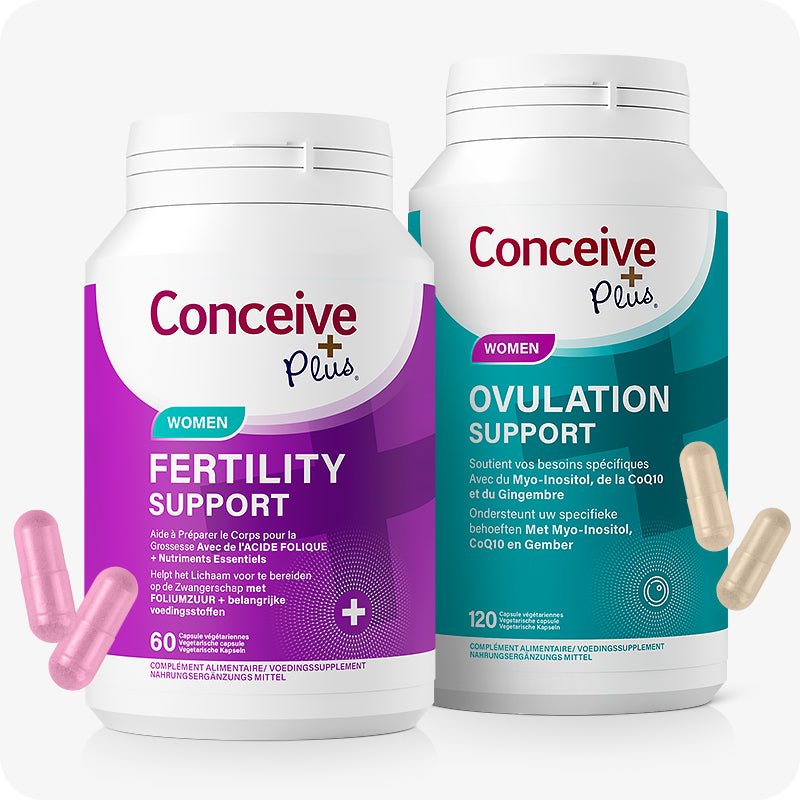
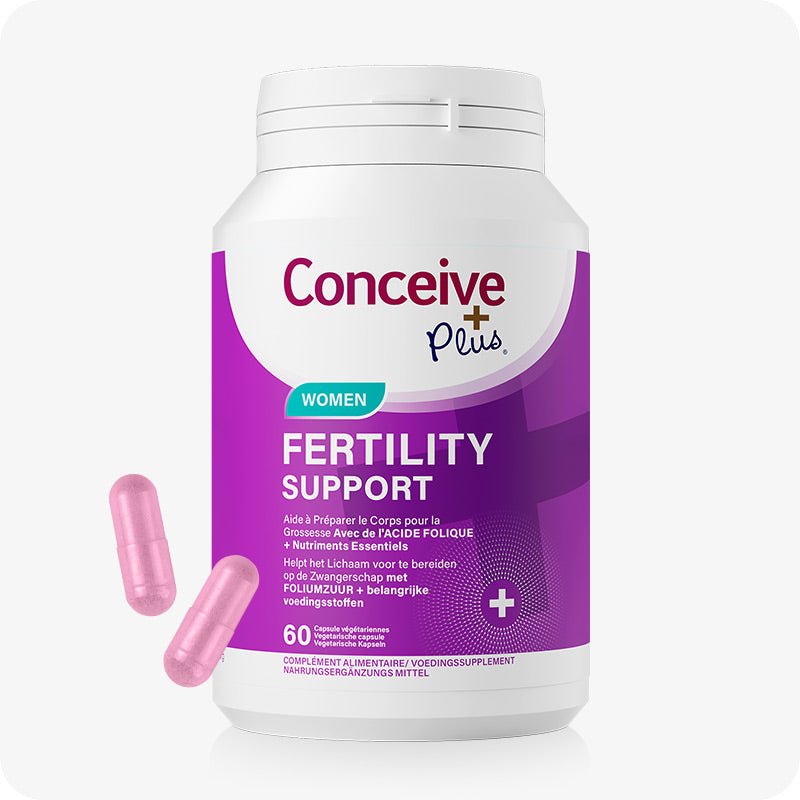
Conceive Plus Women's Fertility Support provides targeted nutrients including myo-inositol, folic acid, CoQ10, and vitamin D to support hormone balance and egg quality. Conceive Plus Fertility Lubricant provides a sperm-friendly environment during intercourse.
Take the Next Step in Your Fertility Journey
Whether you are just beginning to try or have been navigating fertility challenges for a while, Conceive Plus has evidence-based products designed to support you. Trusted by thousands of couples worldwide.