Stress and Fertility: How Cortisol Affects Your Reproductive System and What You Can Do About It


The relationship between stress and fertility is one of the most discussed yet least understood topics in reproductive health. While everyone knows that 'relaxing' is easier said than done, the biological mechanisms linking stress to fertility are real, measurable, and increasingly well-documented by scientific research. This guide examines the science behind how stress affects fertility in both women and men, provides practical evidence-based techniques for managing stress during your fertility journey, and explains how the right approach to stress reduction can support your overall reproductive health.
The Biology of Stress: How Cortisol Affects Your Reproductive System
Stress triggers a cascade of hormonal responses in your body, primarily through the activation of the hypothalamic-pituitary-adrenal (HPA) axis. When you perceive a threat — whether physical or psychological — your body releases cortisol and other stress hormones to prepare for action. The problem arises when this stress response becomes chronic. Persistently elevated cortisol levels can suppress the hypothalamic-pituitary-ovarian (HPO) axis, which controls the menstrual cycle and ovulation. In effect, your body prioritises survival over reproduction when it senses prolonged stress. In women, high cortisol levels can delay or even suppress ovulation, shorten the luteal phase, and reduce cervical mucus quality. A study published in Human Reproduction found that women with the highest levels of alpha-amylase, a biomarker of stress, had a 29% lower chance of conceiving in any given cycle compared with women with the lowest levels. In men, chronic stress reduces testosterone production and can impair spermatogenesis. Stressed men may have lower sperm counts, reduced motility, and higher levels of sperm DNA fragmentation.
The Fertility-Stress Cycle: Breaking the Pattern
One of the cruelest aspects of fertility struggles is the self-perpetuating cycle they create. Struggling to conceive causes stress, and that stress can make it harder to conceive. This creates a feedback loop that can be incredibly difficult to break. Each month brings hope, followed by disappointment, followed by anxious anticipation of the next cycle. The pressure of timed intercourse, the expense of treatments, social expectations, and the strain on relationships all compound the emotional burden. Breaking this cycle requires intentional effort. The goal is not to eliminate stress entirely — that is neither realistic nor necessary — but to manage your response to stress so that it does not overwhelm your reproductive system. One effective strategy is to separate your identity from your fertility journey. You are not 'infertile'; you are a person navigating a fertility challenge. This distinction can dramatically reduce the psychological burden. Creating structure around your fertility efforts can also help. Designate specific times for researching, tracking, and planning, and give yourself permission to focus on other aspects of your life the rest of the time.
💙 Support Your Fertility Journey with Conceive Plus
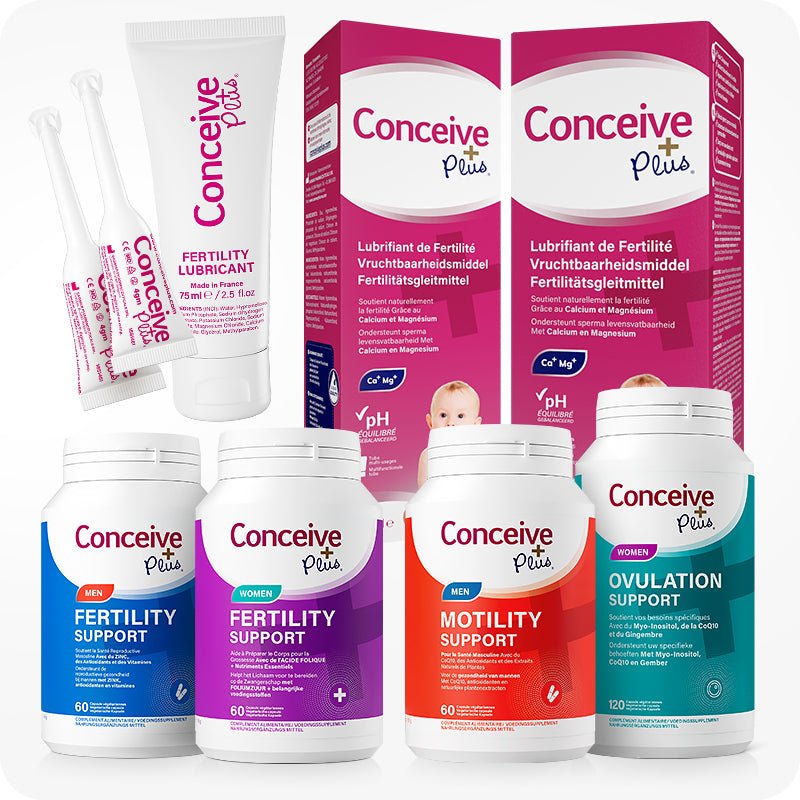
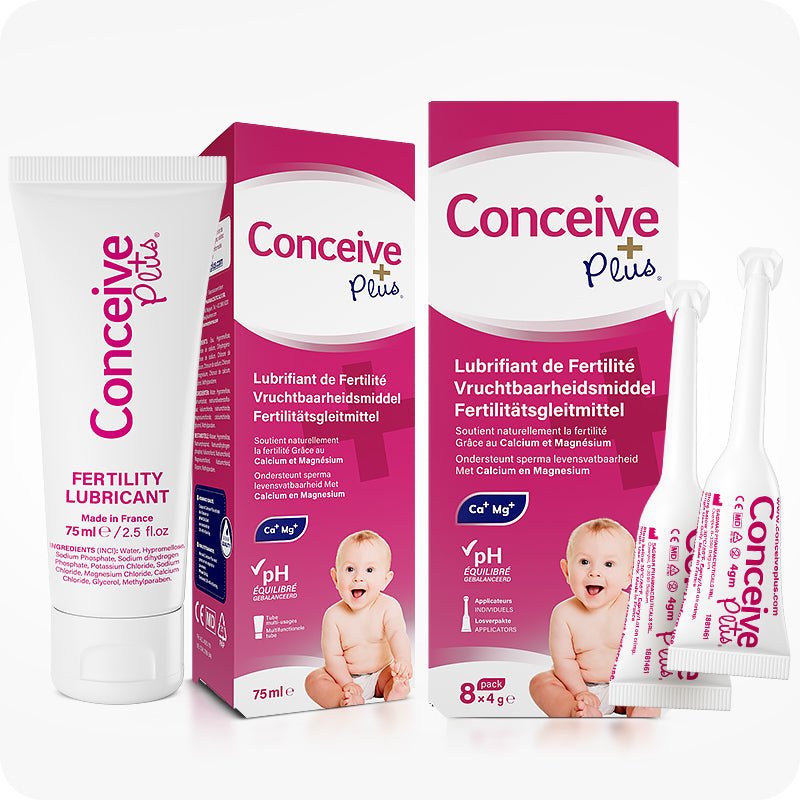
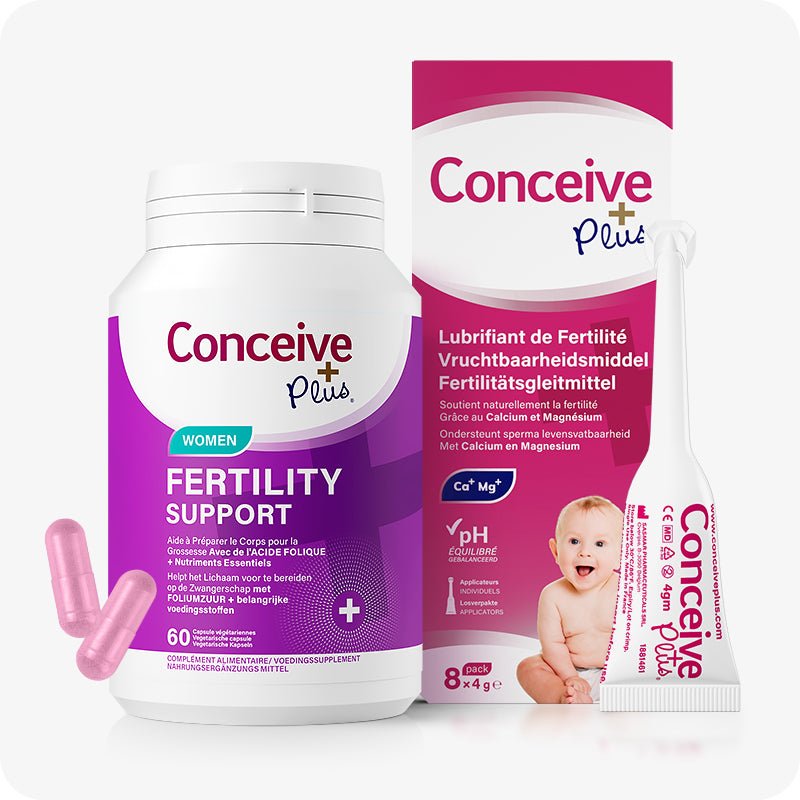
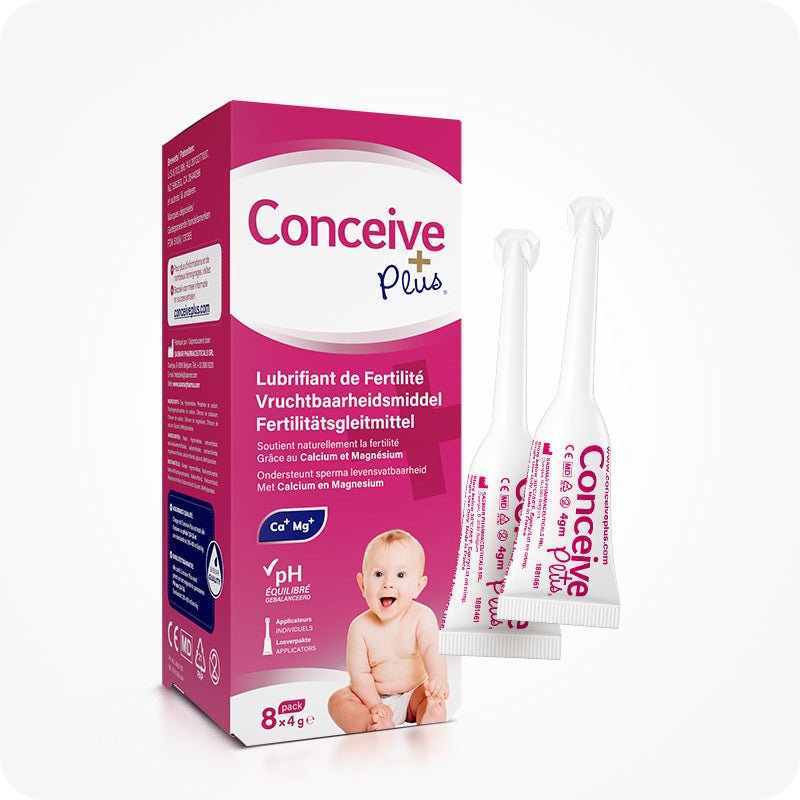
Reduce one source of worry by choosing Conceive Plus — the clinically tested, sperm-safe fertility lubricant trusted by thousands of couples. When every detail matters, choose products that support your journey.
Evidence-Based Stress Reduction Techniques for Fertility
Cognitive Behavioural Therapy (CBT) has shown impressive results for fertility-related stress. A randomised controlled trial published in Human Reproduction found that women who participated in a CBT-based stress management programme had significantly higher pregnancy rates than those who did not. CBT helps you identify and reframe negative thought patterns. Mindfulness-Based Stress Reduction (MBSR) programmes teach meditation and yoga techniques that reduce cortisol levels and improve emotional wellbeing. Studies have found that mindfulness practice reduces anxiety and depression in people undergoing fertility treatment. Regular moderate exercise is one of the most effective stress-reduction tools available. Brisk walking, swimming, and gentle yoga all reduce cortisol levels and release endorphins. However, extreme exercise can have the opposite effect, so moderation is key. Journaling about your feelings has been shown to reduce distress in people facing health challenges. Simply writing about your fears, hopes, and frustrations for 15 to 20 minutes several times per week can provide emotional release.
Sleep, Exercise, and Their Connection to Fertility
Sleep and exercise are two of the most powerful modulators of stress and fertility, yet they are often the first things to suffer when life gets busy. Sleep deprivation elevates cortisol levels, disrupts the timing of luteinising hormone (LH) pulses, and can interfere with ovulation. Women who consistently sleep fewer than six hours or more than nine hours per night have been shown to have lower pregnancy rates than those who sleep seven to eight hours. For men, poor sleep is associated with lower testosterone levels and reduced sperm quality. The relationship between sleep and male fertility is strong enough that sleep quality is now considered an important component of male fertility assessment. Exercise, when done appropriately, supports fertility by reducing stress, improving insulin sensitivity, and maintaining healthy body weight. The sweet spot appears to be 30 to 45 minutes of moderate exercise most days, including a mix of cardiovascular work, strength training, and flexibility work.
Practical Daily Stress Management Strategies
Set boundaries around fertility conversations. It is perfectly acceptable to tell friends and family that you prefer not to discuss your fertility journey at certain times. Protect your emotional energy. Limit your exposure to fertility-related content on social media. While support groups can be valuable, constant exposure to others' pregnancy announcements can exacerbate feelings of inadequacy and anxiety. Schedule regular activities that have nothing to do with fertility. Hobbies, date nights with your partner, time in nature, and creative pursuits all provide necessary mental breaks. Consider working with a fertility counsellor or therapist. Many people find that having a dedicated professional to talk to reduces the burden on their partner and provides strategies they would not develop on their own.
Supporting Your Fertility Journey with the Right Products
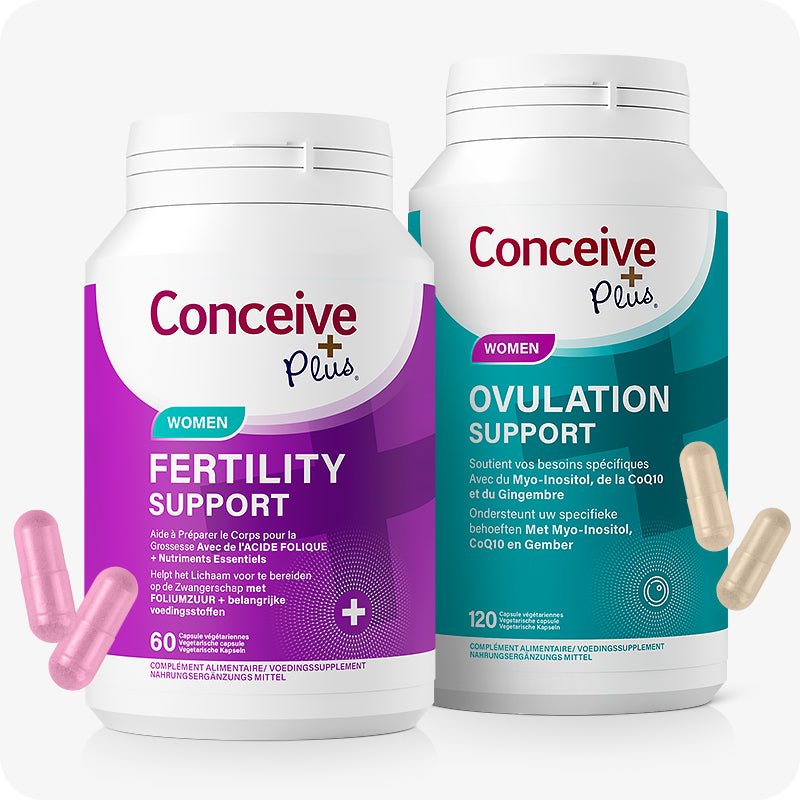
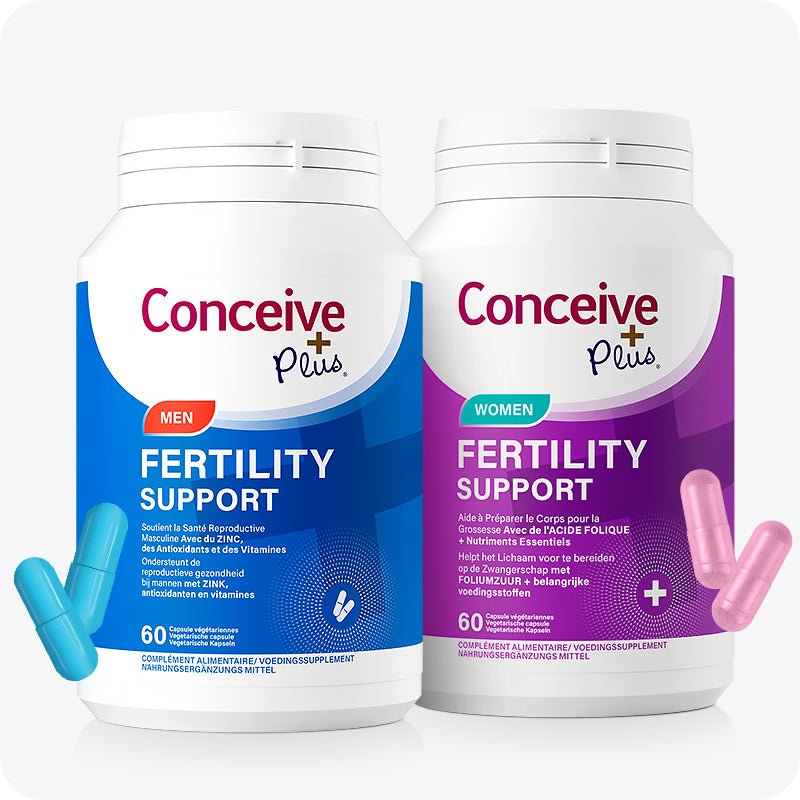
Managing stress is one part of a comprehensive fertility strategy. The products you use matter too. Conceive Plus fertility-friendly lubricant is clinically proven to be sperm-safe, eliminating one potential source of anxiety during timed intercourse. When you are already managing the stress of fertility tracking and treatment, knowing that the products you use are supporting rather than hindering your efforts provides genuine peace of mind. Conceive Plus Ovulation Support supplements provide targeted nutrients like myo-inositol and folic acid that support hormonal balance and help regulate cycles. Every positive step you take reduces the feeling of helplessness that often accompanies fertility challenges.
Frequently Asked Questions
Can stress really prevent pregnancy?
While stress alone rarely prevents pregnancy in otherwise healthy couples, chronic stress can delay ovulation, disrupt hormonal balance, and reduce libido, all of which can make conception take longer. Managing stress is an important part of fertility optimisation.
How does stress affect male fertility?
Chronic stress reduces testosterone production, can lower sperm count and motility, and increases sperm DNA fragmentation. Stress management should be part of every male fertility plan.
Does meditation really help with fertility?
Research suggests that mindfulness meditation reduces cortisol levels and anxiety in people trying to conceive. While it has not been proven to directly increase pregnancy rates, the stress reduction benefits are well-documented.
Can exercise reduce fertility-related stress?
Yes. Moderate exercise is one of the most effective stress reduction tools. Aim for 30 to 45 minutes most days, but avoid extreme exercise which can increase cortisol levels.
Is there a connection between sleep and fertility?
Strong evidence links poor sleep to lower pregnancy rates. Sleep deprivation disrupts the hormonal rhythms that regulate ovulation and sperm production. Aim for seven to nine hours of quality sleep per night.
Should I see a therapist for fertility stress?
Many people find fertility counselling or therapy extremely helpful. Therapists can provide coping strategies, help process difficult emotions, and strengthen relationships during the stress of fertility treatment.
Does taking a break from trying help reduce stress?
Taking a planned break from fertility tracking and treatment can be very beneficial for mental health. Many couples find that a break helps them reconnect and return with renewed energy.
Can stress cause a miscarriage?
While extreme stress has been linked to slightly higher miscarriage risk in some studies, everyday stress is not considered a direct cause of pregnancy loss. Most miscarriages are due to chromosomal abnormalities.
💙 Ready to Take the Next Step?
Managing stress is essential, but so is using the right products. Conceive Plus supports your fertility journey with sperm-safe lubricant and targeted nutritional supplements designed to work with your body.
Shop Fertility Support Products →