Endometriosis and Fertility: Understanding the Connection and Your Options for Conception


Understanding Endometriosis and Its Impact on Fertility
Endometriosis is a condition where tissue similar to the endometrium grows outside the uterus, affecting approximately 176 million women worldwide. It is one of the most common causes of female infertility, found in 25 to 50 percent of women who have difficulty conceiving.
The condition can affect fertility through several mechanisms: inflammation that damages egg quality and sperm function, scar tissue and adhesions that distort pelvic anatomy, and hormonal imbalances that interfere with ovulation.
How Endometriosis Affects Conception
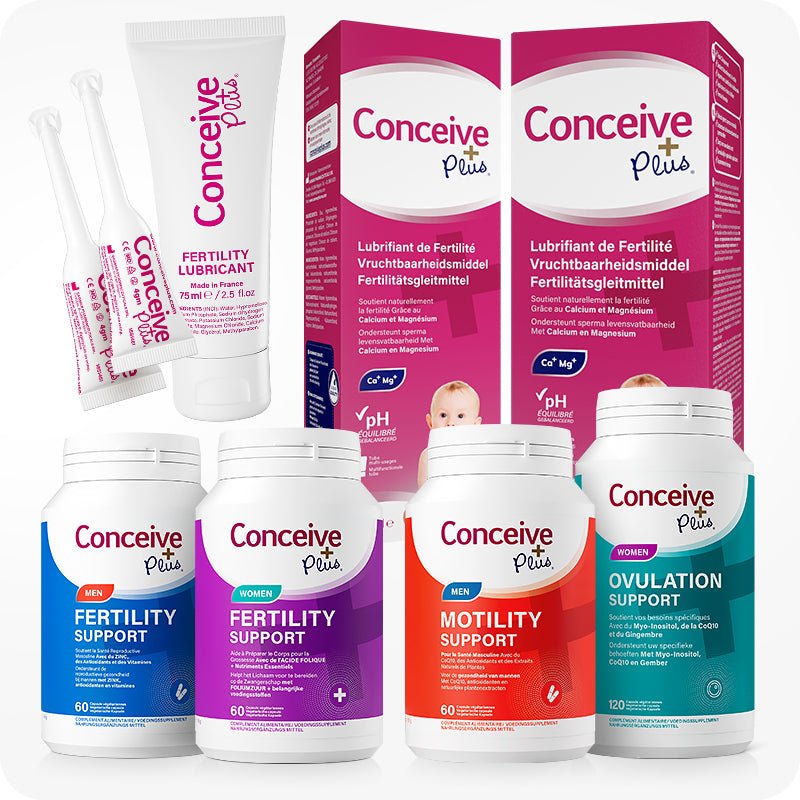
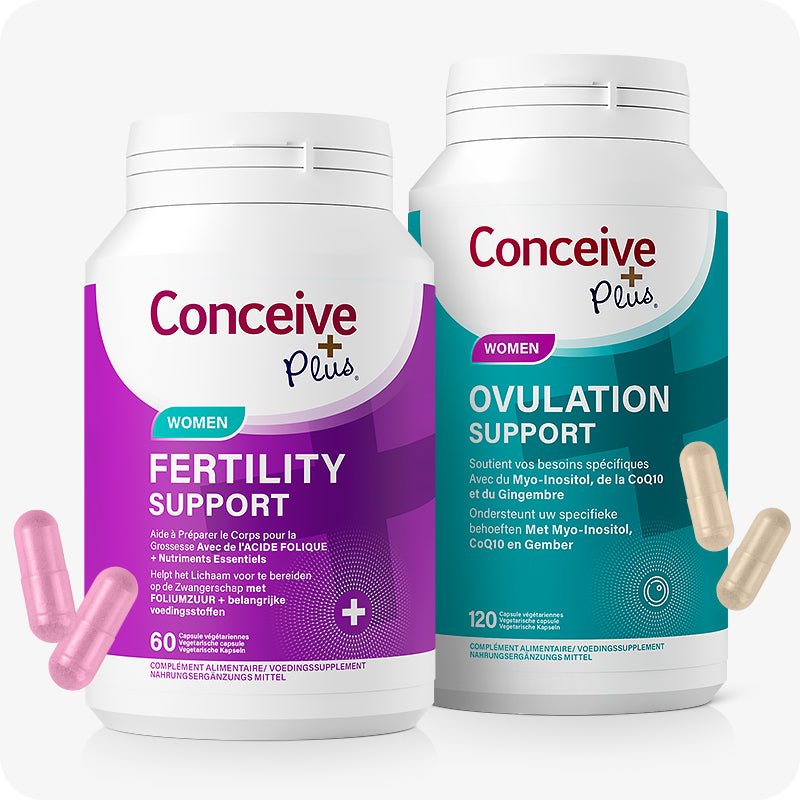
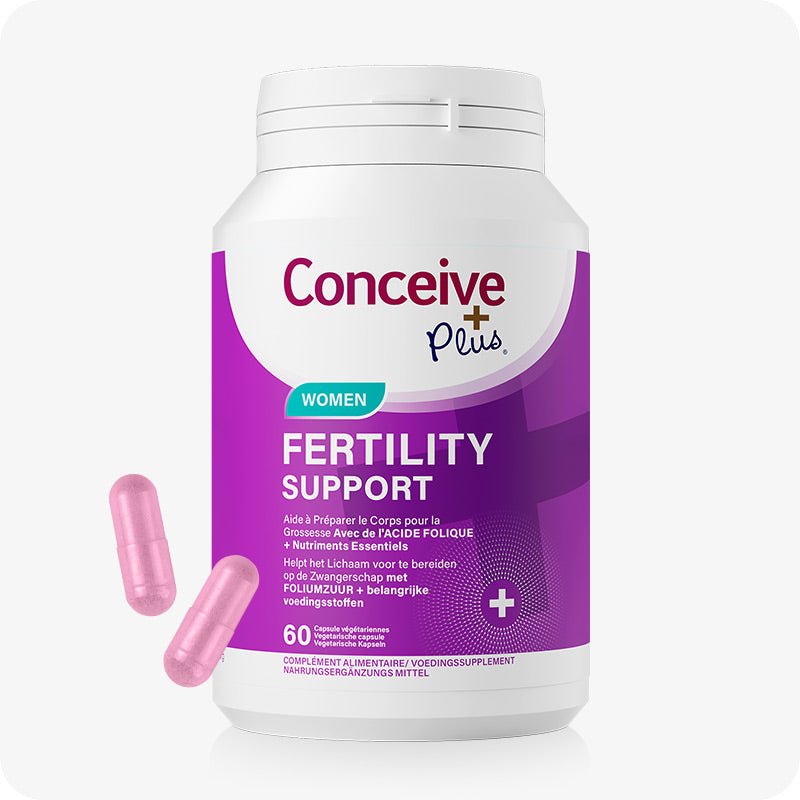
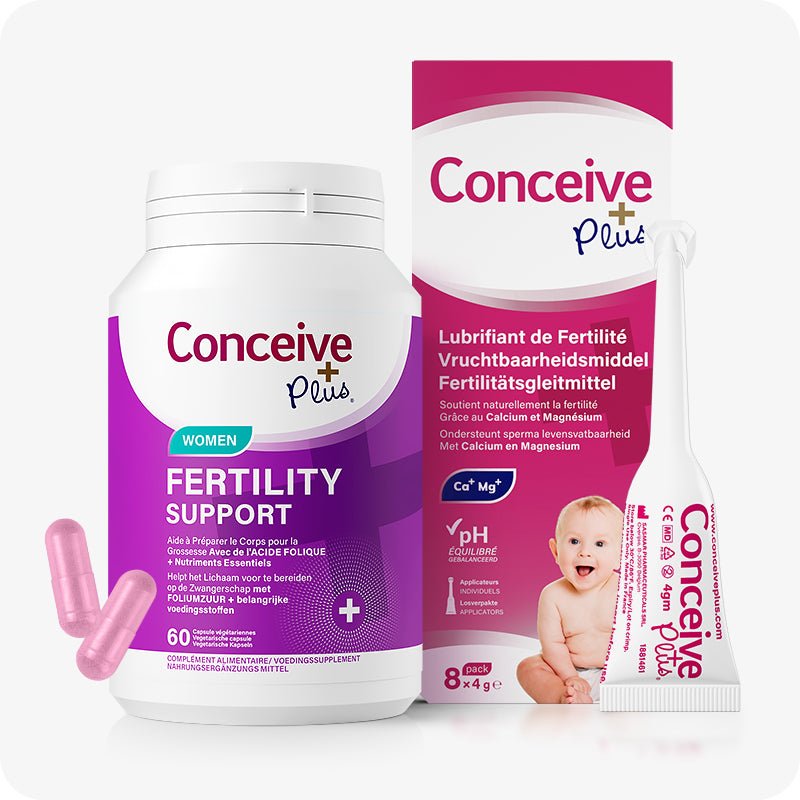
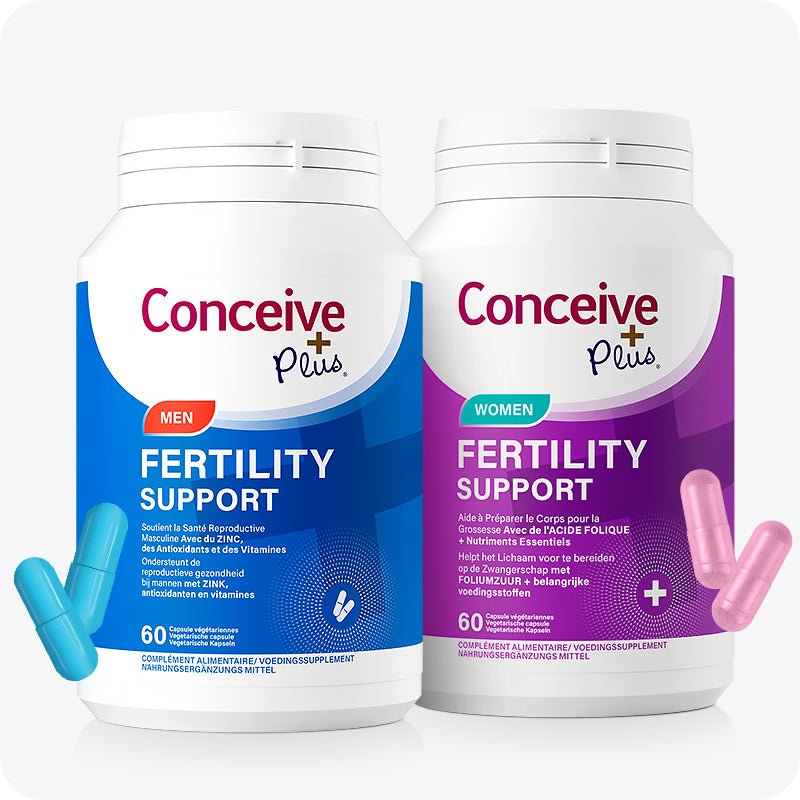
Support your fertility journey today. Discover Conceive Plus Women's Fertility Support — science-backed and designed to help you conceive.
Inflammation: Endometriosis creates a chronic inflammatory environment in the pelvis. This inflammation produces cytokines and oxidative stress that can damage eggs, impair sperm function, and interfere with embryo implantation.
Anatomical distortion: Adhesions from endometriosis can bind the ovaries, fallopian tubes, and uterus together, blocking the normal transport of eggs and sperm.
Ovarian reserve damage: Endometriomas (chocolate cysts) on the ovaries can damage healthy ovarian tissue, reducing ovarian reserve.
Implantation interference: The inflammatory environment may make the uterine lining less receptive to embryo implantation.
Diagnosis and Staging
Laparoscopy with biopsy remains the gold standard for diagnosis. Stage I (minimal) to Stage IV (severe) classification reflects the extent of disease. Importantly, the stage of endometriosis does not always correlate with pain level or fertility impact.
Medical Treatments for Endometriosis-Related Infertility
Laparoscopic surgery: Excision of endometriosis lesions can improve fertility. A 2023 study found that women who underwent laparoscopic excision had a 38 percent spontaneous pregnancy rate within 12 months compared to 18 percent in the control group.
IVF: For women with more advanced endometriosis or who do not conceive after surgery, IVF is highly effective. Long down-regulation protocols using GnRH agonists before IVF have been shown to improve pregnancy rates.
Ovulation induction with IUI: May be appropriate for Stage I to II endometriosis with patent fallopian tubes.
Lifestyle Strategies That Help
Anti-inflammatory diet: A Mediterranean diet rich in omega-3s, antioxidants, and fibre may reduce endometriosis symptoms and improve fertility outcomes.
Supplements: N-acetylcysteine (NAC) has shown promise in reducing endometriosis lesion size. Vitamin D, curcumin, and omega-3s may help manage inflammation.
Stress reduction: Endometriosis is associated with higher stress levels, which compound fertility challenges. Mindfulness and acupuncture can be beneficial.
The Role of Fertility-Friendly Lubricant
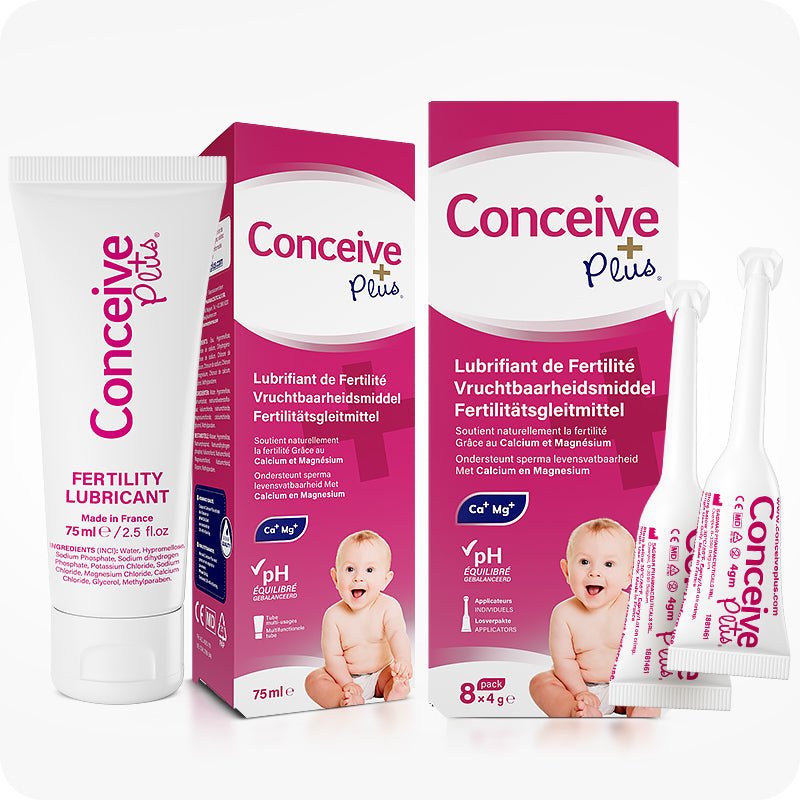
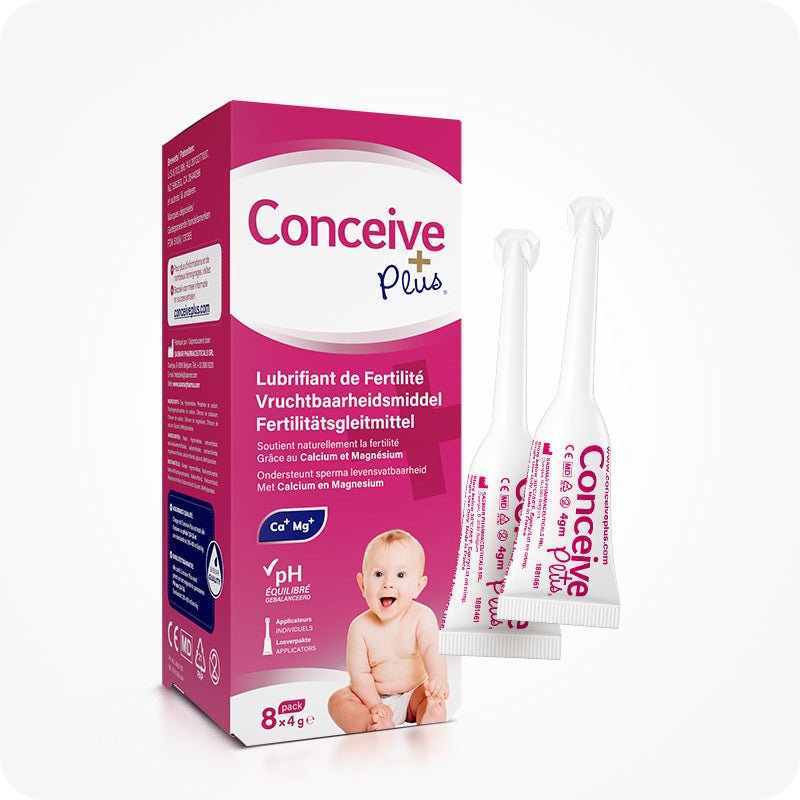
For women with endometriosis, vaginal dryness is common both as a symptom and as a side effect of treatments. Using a fertility-friendly lubricant like Conceive Plus, which supports sperm survival rather than harming it, ensures that intercourse is comfortable and productive during fertile windows.
Frequently Asked Questions
Q: Can I conceive naturally with endometriosis?
A: Yes. Many women with endometriosis conceive naturally, especially after surgical treatment.
Q: Does endometriosis surgery improve fertility?
A: Yes. Laparoscopic excision improves spontaneous pregnancy rates significantly.
Q: Is IVF more effective for endometriosis?
A: IVF is often recommended for advanced endometriosis or when other treatments have not succeeded.
Q: Does diet affect endometriosis?
A: An anti-inflammatory diet can reduce symptoms and may improve fertility outcomes.
Q: Can endometriosis cause miscarriage?
A: Some studies suggest an increased risk of miscarriage, likely due to the inflammatory environment.
Q: Should I freeze my eggs if I have endometriosis?
A: If you have advanced endometriosis or are facing surgery, egg freezing may be worth considering to preserve fertility.
Your fertility journey deserves the best support. Shop Conceive Plus Women's Fertility Support now — clinically tested, fertility-friendly, and trusted by thousands of couples worldwide.