IVF Preparation: The Complete Guide to Getting Your Body Ready for IVF


IVF Preparation: The Complete Guide to Getting Your Body Ready for IVF
IVF preparation is one of the most important yet often underestimated phases of assisted reproduction. While your fertility clinic will guide you through the medical protocol — injections, monitoring appointments, egg retrieval, and transfer — the lifestyle and nutritional groundwork you lay in the 3–6 months beforehand can significantly influence your outcomes. This comprehensive IVF preparation guide covers everything from nutrition and supplements to lifestyle modifications and the critical role of egg and sperm quality optimisation.
IVF success rates are closely tied to egg quality and embryo development — both of which are profoundly influenced by pre-cycle conditions. A 2019 study in Reproductive Biomedicine Online found that women who followed structured pre-IVF lifestyle interventions had measurably better embryo quality and higher live birth rates than matched controls. IVF preparation is not optional; it's an investment in your protocol's success.
Understanding Why IVF Preparation Matters
The IVF process extracts eggs from your ovaries, fertilises them in a laboratory, and transfers the resulting embryos back to your uterus. Every step depends on the quality of the biological materials involved:
- Egg quality: Determines whether fertilisation occurs, whether the embryo divides correctly, and whether it reaches the blastocyst stage suitable for transfer
- Sperm quality: DNA fragmentation in sperm (a measure often ignored in standard semen analysis) is associated with failed fertilisation and early pregnancy loss
- Uterine receptivity: The endometrial lining must be thick, well-perfused, and immunologically prepared to allow implantation
- Ovarian response: The number of eggs retrieved depends on your ovarian reserve and response to stimulation — both influenced by your health status going in
None of these factors are fully within your control — but all of them respond to the right IVF preparation approach.
Timing Your IVF Preparation: The 90-Day Rule
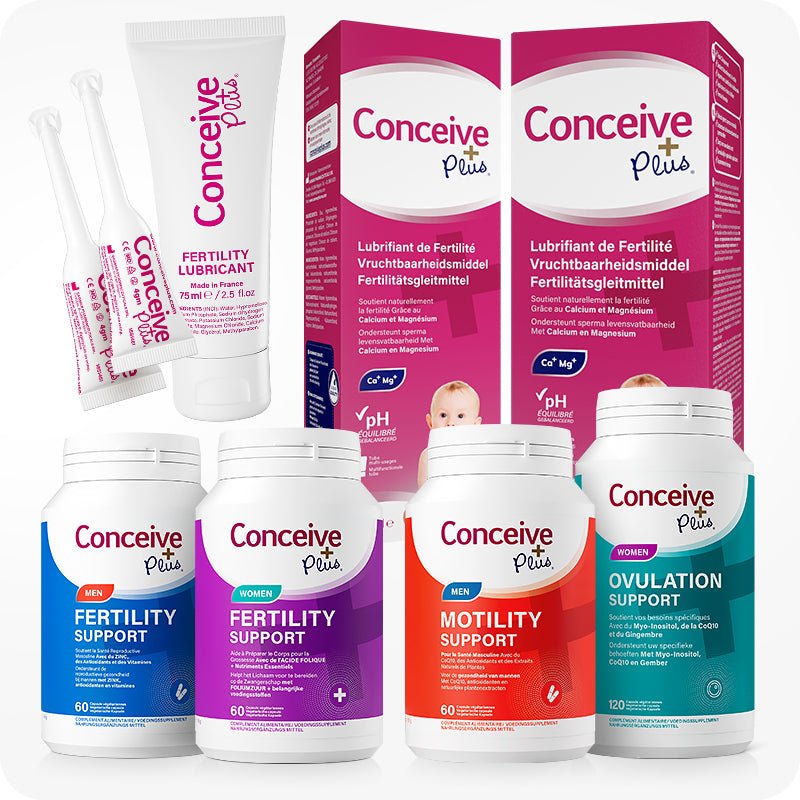
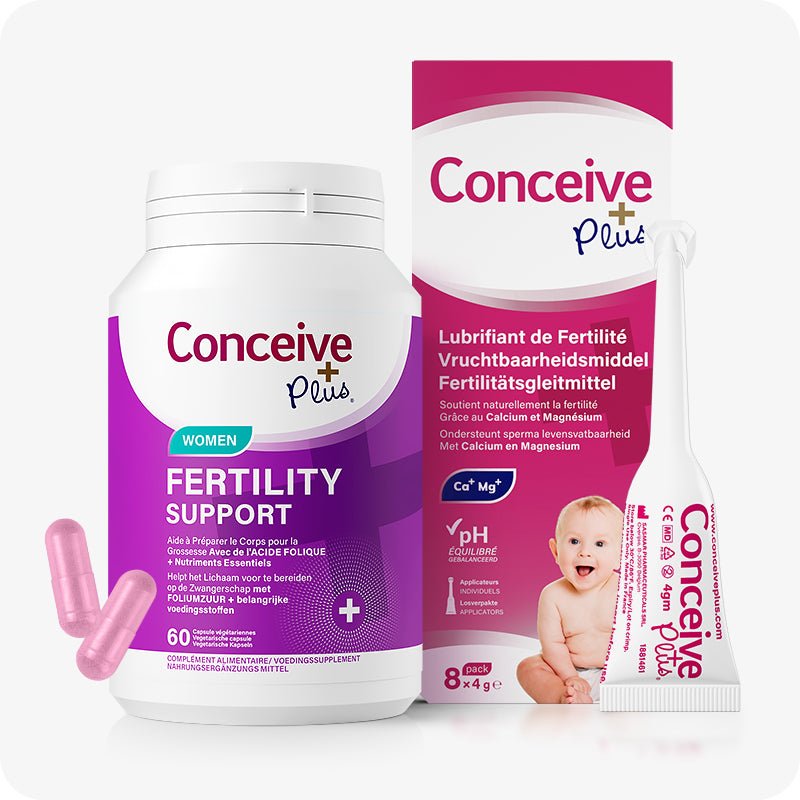
Ready to give your TTC journey every advantage? Conceive Plus products are clinically formulated for conception. Shop Conceive Plus now →
The 90-day window before your egg retrieval is critical. Eggs take approximately 90 days to develop from early follicular stage to mature ovulation-ready egg. This means nutritional and lifestyle improvements made today benefit the eggs that will be retrieved in your cycle approximately 3 months from now.
Sperm undergo a similar development cycle (spermatogenesis) lasting approximately 74 days. For male partners, IVF preparation should begin at least 3 months before egg retrieval to allow full replacement of the sperm population with higher-quality cells.
For women, IVF preparation ideally begins 3–6 months before the scheduled egg retrieval. This gives time to:
- Optimise egg quality through targeted supplementation
- Achieve and maintain a healthy BMI if needed
- Address nutritional deficiencies (particularly vitamin D)
- Reduce alcohol and cigarette exposure
- Reduce stress load where possible
IVF Preparation: Essential Supplements for Women
Supplementation during IVF preparation is one area where evidence is particularly strong. The following supplements have clinical data supporting their use in the pre-IVF window:
CoQ10 (Ubiquinol form) — The #1 IVF Preparation Supplement
CoQ10 is a compound naturally present in every cell, responsible for powering mitochondrial energy production. Egg cells have the highest mitochondrial density of any cell in the body — energy production is critical for successful division after fertilisation. CoQ10 levels decline with age (one reason egg quality declines from the mid-thirties).
Clinical evidence: a randomised trial published in Fertility and Sterility found that women with poor ovarian response who supplemented with CoQ10 prior to IVF had a higher number of mature eggs retrieved, better fertilisation rates, and better embryo quality. Dose: 400–600 mg of ubiquinol (the active, more bioavailable form) daily.
DHEA (Dehydroepiandrosterone)
DHEA is a hormone precursor that supports androgen production in the ovaries — androgens are required for follicle development. Multiple RCTs and a large meta-analysis support DHEA supplementation (25–75 mg/day) in women with poor ovarian reserve, showing improved egg numbers, embryo quality, and pregnancy rates. DHEA should be used under medical supervision due to potential hormonal side effects.
Methylfolate (400–800 mcg)
Essential for preventing neural tube defects and supporting DNA methylation — particularly important in early embryonic development. Methylfolate is the bioactive form, superior for women with MTHFR variants. Start at least 3 months before IVF retrieval.
Vitamin D3 (based on blood level)
Vitamin D deficiency is associated with reduced IVF success rates in multiple studies. A meta-analysis of 2,700 IVF patients found vitamin D-sufficient women had a 34% higher live birth rate per cycle. Optimise your level to 75–125 nmol/L through supplementation guided by blood testing.
Inositol (Myo-Inositol ± D-Chiro Inositol)
Particularly important in IVF preparation for women with PCOS or insulin resistance. Inositol improves ovarian sensitivity to FSH, reduces the risk of OHSS (ovarian hyperstimulation syndrome), and improves oocyte quality. Dose: 4,000 mg myo-inositol daily, often combined with 40 mg D-chiro inositol.
Omega-3 DHA/EPA (2,000 mg combined)
DHA is the primary structural fat in cell membranes. Adequate DHA supports embryo development from the earliest stages. EPA reduces inflammation, which can impair implantation. Source from algae oil (vegan) or fish oil during IVF preparation.
Melatonin (3 mg at bedtime)
Melatonin is a powerful antioxidant naturally produced in follicular fluid, where it protects eggs from oxidative damage during maturation. Research suggests 3 mg supplementation in the pre-IVF period protects egg quality. Note: discuss with your clinic as melatonin timing may be adjusted around retrieval.
Iron (if deficient)
Anaemia impairs oxygen delivery to developing follicles and to early embryos. Blood test first — excess iron supplementation has its own risks.
IVF Preparation: Supplements and Nutrition for Male Partners
Male factor IVF preparation is equally important — and often given far less attention. Sperm DNA fragmentation is a key metric that standard semen analysis misses. High DNA fragmentation (>25%) is associated with failed fertilisation, poor embryo quality, and early pregnancy loss — even in IVF with ICSI.
Antioxidant therapy is the evidence-based intervention:
- Zinc (25 mg): Protects sperm DNA from oxidative damage; essential for testosterone production; often low in men with poor sperm parameters
- Selenium (200 mcg): Critical for the structural integrity of the sperm tail (axoneme); antioxidant activity protects sperm DNA
- Vitamin C (500–1,000 mg): Water-soluble antioxidant concentrated in seminal plasma; reduces lipid peroxidation damage to sperm membranes
- Vitamin E (400 IU): Fat-soluble antioxidant protecting sperm cell membranes
- CoQ10 (200–400 mg): Powers the sperm midpiece mitochondria; improves motility in multiple RCTs
- L-Carnitine (2,000 mg): Supports sperm energy metabolism; associated with improved motility and morphology
- Lycopene (10 mg): Powerful antioxidant with specific affinity for testicular tissue; associated with reduced DNA fragmentation
- Folate (400–800 mcg): Required for DNA synthesis in spermatogenesis; low folate is associated with higher rates of chromosomal abnormalities in sperm
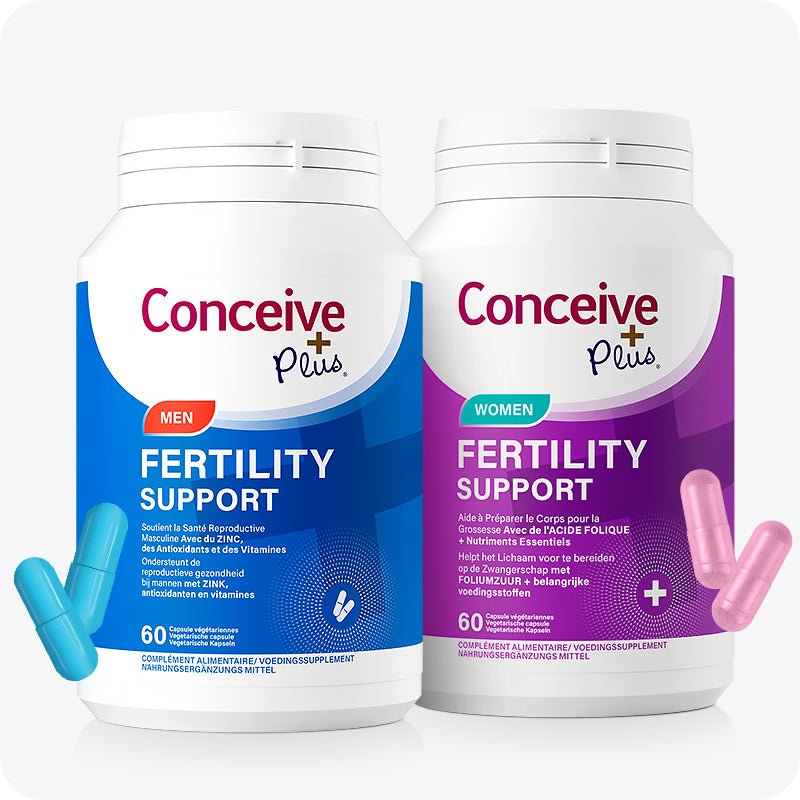
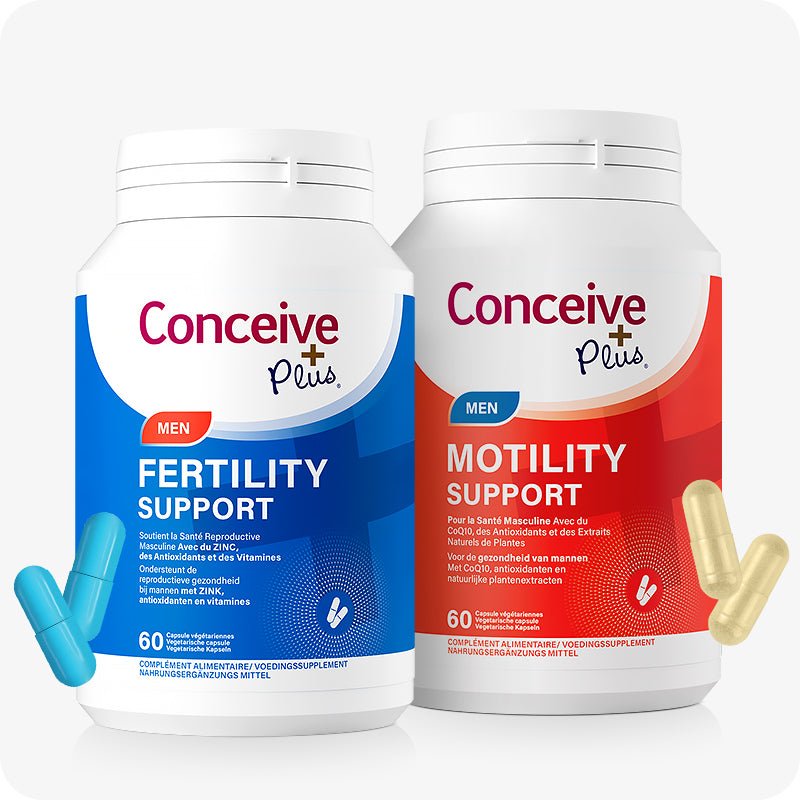
Conceive Plus men's fertility supplements provide an evidence-based combination of these key nutrients in a single daily supplement, making IVF preparation for male partners straightforward and consistent.
IVF Preparation: Lifestyle Modifications
1. Achieve a Healthy BMI
BMI significantly affects IVF outcomes. Underweight women (BMI <18.5) and overweight women (BMI >30) both have lower success rates, more stimulation complications, and higher miscarriage rates. Each unit of BMI above 30 is associated with a 2–5% reduction in live birth rate per cycle. If your BMI is significantly outside the healthy range, a structured 3–6 month IVF preparation period targeting gradual weight normalisation through diet and moderate exercise is the most impactful single lifestyle change.
2. Eliminate Alcohol and Tobacco
Both have clear, dose-dependent negative effects on IVF outcomes:
- Alcohol (even moderate consumption) is associated with reduced egg numbers, lower fertilisation rates, and higher miscarriage rates. A study of 2,545 IVF cycles found women who drank 4+ drinks/week had 16% fewer eggs retrieved and 48% higher odds of failed IVF
- Smoking dramatically reduces ovarian reserve (AMH levels), impairs uterine blood flow, and damages both egg and sperm DNA. Women who smoke have approximately half the success rate of non-smokers in IVF
3. Optimise Sleep Quality
Melatonin — produced primarily during darkness — is not just a sleep hormone; it's a potent antioxidant concentrated in follicular fluid. Poor sleep reduces melatonin production, exposing developing eggs to higher oxidative stress. Aim for 7–9 hours of quality sleep per night during IVF preparation. Establish a consistent sleep schedule and minimise evening screen light.
4. Reduce Endocrine Disruptor Exposure
Endocrine disruptors (chemicals that interfere with hormone signalling) are found in many everyday products and can impair egg quality, sperm health, and hormone levels:
- Switch to glass or stainless steel water bottles (avoid BPA and BPS in plastics)
- Choose unscented personal care products (avoid phthalates found in synthetic fragrances)
- Avoid non-stick cookware at high temperatures (PFOA/PFAS exposure)
- Choose paraben-free cosmetics and body care products
- Eat organic produce from the EWG Dirty Dozen list where possible
5. Moderate Exercise
Exercise during IVF preparation is beneficial in moderation. Regular moderate aerobic exercise (30 minutes, 5 times per week) improves insulin sensitivity, reduces inflammation, and supports healthy BMI. However, high-intensity exercise (especially during stimulation) may be counter-productive — some evidence suggests very high exercise volumes impair ovarian response. Transition from intense training to moderate activity during the IVF stimulation phase.
6. Stress Management
The relationship between psychological stress and IVF outcomes is complex. While stress alone is unlikely to prevent IVF from working, extremely elevated cortisol levels can interfere with hormonal signalling. More practically, reducing stress improves your quality of life during an inherently demanding process. Evidence-based stress reduction approaches during IVF preparation include: mindfulness-based stress reduction (MBSR), acupuncture (several RCTs show reduced anxiety and potentially improved implantation rates), yoga, and couples counselling.
Uterine Preparation: Supporting Implantation
IVF preparation isn't just about eggs and sperm — the uterine environment must be receptive for the embryo to implant and develop. Key approaches to optimise uterine health:
Vitamin E (400 IU): Improves endometrial thickness and blood flow in women with thin endometrium — a common cause of failed frozen embryo transfers
L-Arginine: An amino acid precursor to nitric oxide that improves uterine blood flow. Some fertility clinics prescribe it for women with thin endometrium
Aspirin (75–100 mg): Low-dose aspirin is sometimes recommended by clinics to improve uterine blood flow. Always follow your clinic's specific guidance
Anti-inflammatory diet: A diet low in refined carbohydrates and seed oils, and rich in omega-3s, polyphenols, and antioxidants, creates a less inflammatory uterine environment that is more conducive to implantation
What to Ask Your Fertility Clinic
A good IVF preparation plan includes an informed dialogue with your clinic. Questions worth raising:
- What supplements do you recommend for patients with my profile? (Age, AMH, diagnosis)
- Should I test vitamin D and iron levels before starting?
- Is DHEA appropriate for me given my ovarian reserve results?
- Do you recommend a sperm DNA fragmentation test for my partner?
- Is there any evidence for acupuncture improving outcomes in your experience?
- What exercise restrictions do you recommend during stimulation?
Frequently Asked Questions: IVF Preparation
Q: How long before IVF should I start preparing?
A: Ideally 3–6 months. The 90-day rule reflects the biological reality of egg development — supplements and lifestyle changes made today affect the eggs retrieved in your cycle. If your timeline is shorter, start immediately — even 4–6 weeks of improvements makes a difference.
Q: Is CoQ10 worth taking before IVF?
A: The evidence is strongest for women with reduced ovarian reserve or poor previous responses, but it's considered beneficial broadly. Multiple RCTs support improved outcomes with pre-IVF CoQ10 supplementation. The ubiquinol form is recommended at 400–600 mg/day.
Q: Should I eat pineapple after embryo transfer?
A: The pineapple core/bromelain after transfer recommendation is a widely circulated folk remedy — the scientific evidence does not support its efficacy. Focus instead on evidence-based IVF preparation: anti-inflammatory diet, adequate protein, stress reduction, and good sleep.
Q: Can I exercise during IVF stimulation?
A: Light to moderate walking and gentle yoga are generally safe. Avoid high-impact exercise, abdominal exercises, and anything that risks ovarian torsion (twisting — a risk with enlarged stimulated ovaries). Follow your clinic's specific guidance.
Q: How important is the male partner's IVF preparation?
A: Very. Sperm DNA fragmentation — which standard semen analysis doesn't measure — affects fertilisation rates and embryo quality even in ICSI. Three months of antioxidant supplementation can significantly reduce DNA fragmentation. Don't underestimate his half of the preparation.
Q: What foods should I avoid during IVF preparation?
A: Alcohol, processed foods high in trans fats, high-glycaemic foods, and high-mercury fish. During stimulation, also avoid raw sprouts, raw oysters, and other foods with higher infection risk. Some clinics also advise limiting soy during stimulation.
Q: Can acupuncture help IVF preparation?
A: Evidence is mixed but some meta-analyses show modest improvements in pregnancy rates with acupuncture around embryo transfer. Its clearest benefit is stress and anxiety reduction during a demanding process. If you want to try it, seek a practitioner experienced in fertility acupuncture.
Q: Is it worth doing genetic testing (PGT) as part of IVF preparation?
A: Preimplantation genetic testing (PGT-A for chromosomal abnormalities, PGT-M for monogenic diseases) is a separate clinical decision from IVF preparation. It's typically recommended for women over 37, couples with a history of recurrent miscarriage, or those with known genetic conditions. Discuss with your clinic whether PGT is relevant to your situation.
Conclusion: Your IVF Preparation Window Is an Opportunity
IVF preparation is not passive waiting — it's active investment in your protocol's potential. The 90-day window before egg retrieval is one of the few phases of IVF where you have significant agency. Every dietary change, supplement taken, and lifestyle modification during this period is working at the cellular level to improve the quality of the biological materials your protocol depends on.
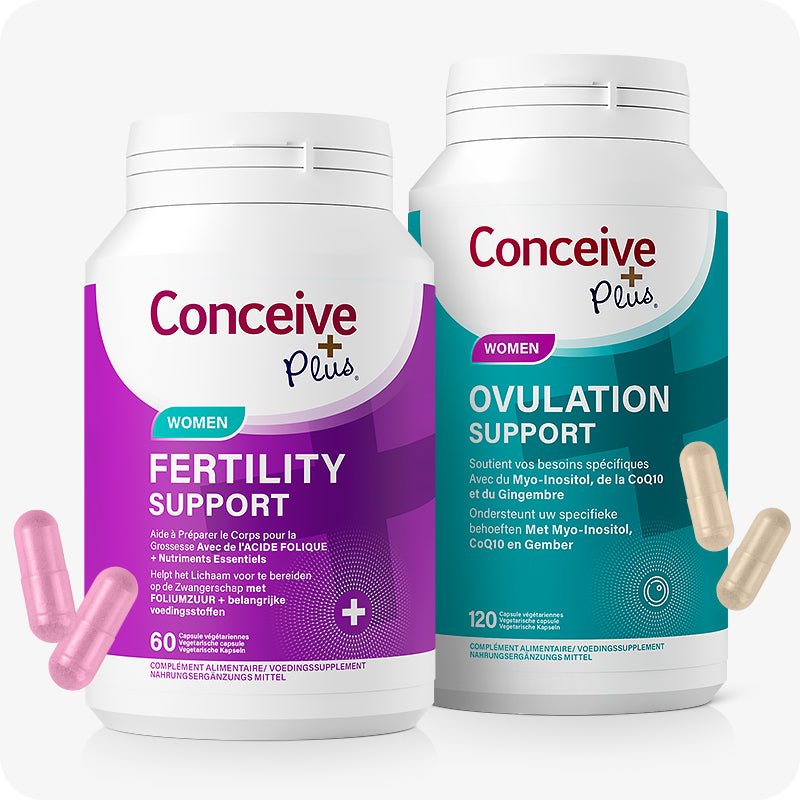
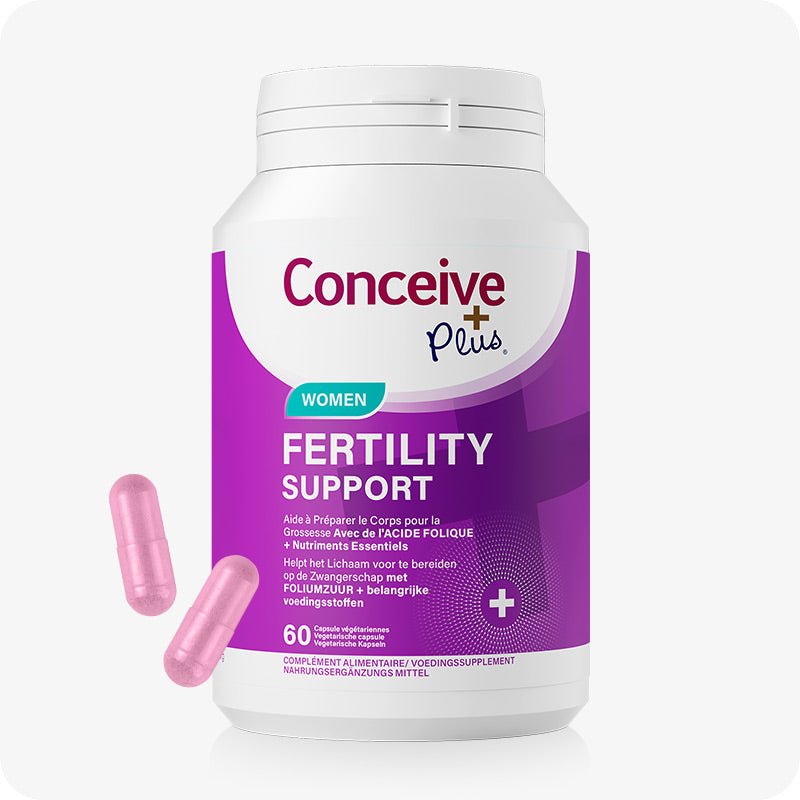
Conceive Plus fertility supplements provide a convenient, evidence-based foundation for both women's and men's IVF preparation, with formulations specifically designed to support egg quality, sperm health, and overall reproductive wellbeing.
You're investing a great deal — emotionally, financially, and physically — in your IVF journey. Let your IVF preparation match that commitment.
Ready to give your TTC journey every advantage? Conceive Plus products are clinically formulated for conception. Shop Conceive Plus now →