IVF Preparation: A Complete Supplement and Lifestyle Guide for Better Outcomes


IVF Preparation: A Complete Supplement and Lifestyle Guide for Better Outcomes
Preparing for IVF — in-vitro fertilisation — is one of the most significant medical journeys a couple can undertake. While the IVF protocol itself is managed by your medical team, there is substantial evidence that what you do in the 3–6 months before your cycle begins can meaningfully influence outcomes: egg quality, sperm DNA integrity, embryo development, and ultimately, live birth rates.
This comprehensive guide covers the evidence-based supplement protocols and lifestyle strategies that fertility specialists commonly recommend for IVF preparation — and how to approach them systematically to maximise your chances of success.
Why Pre-IVF Preparation Matters
IVF outcomes are critically dependent on the quality of the eggs retrieved. Egg quality, in turn, is influenced by the follicular microenvironment during the 3–6 months of follicular development preceding ovulation. This is why IVF preparation cannot simply begin when you start your stimulation injections — the biological preparation must start months earlier.
The same principle applies to sperm: spermatogenesis takes 72–90 days, meaning the sperm present for fertilisation were produced 3 months ago. The health choices made during that production period directly determine sperm DNA integrity, motility, and morphology — all of which affect fertilisation rates and embryo development.
The Core IVF Supplement Protocol
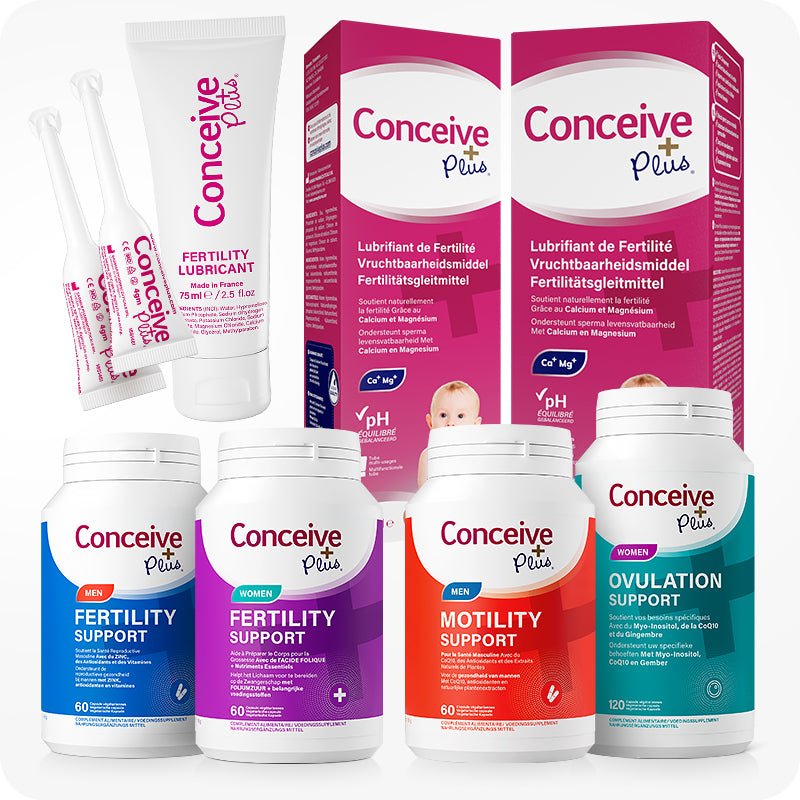
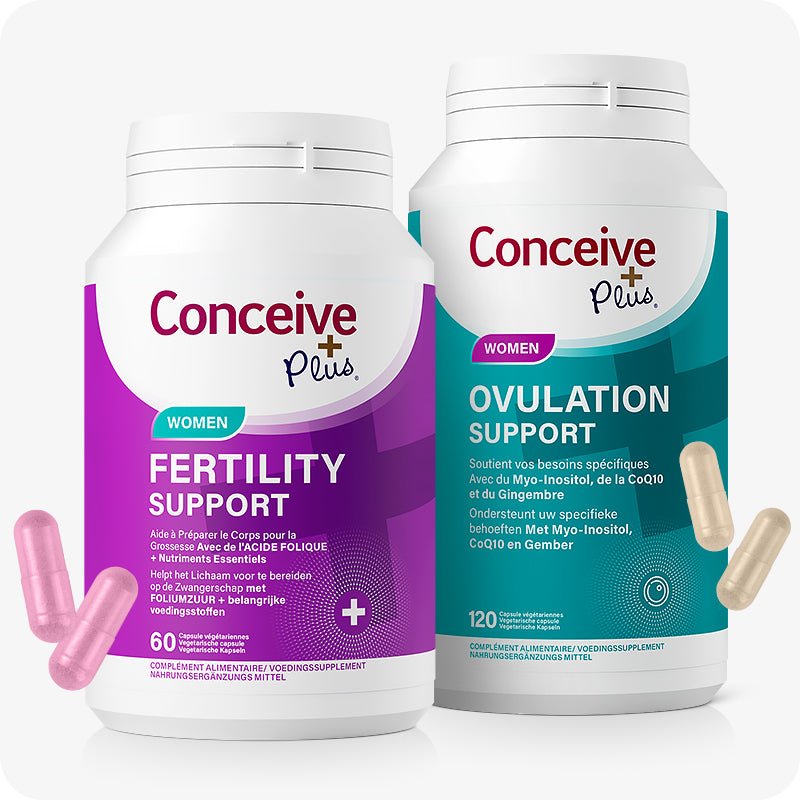
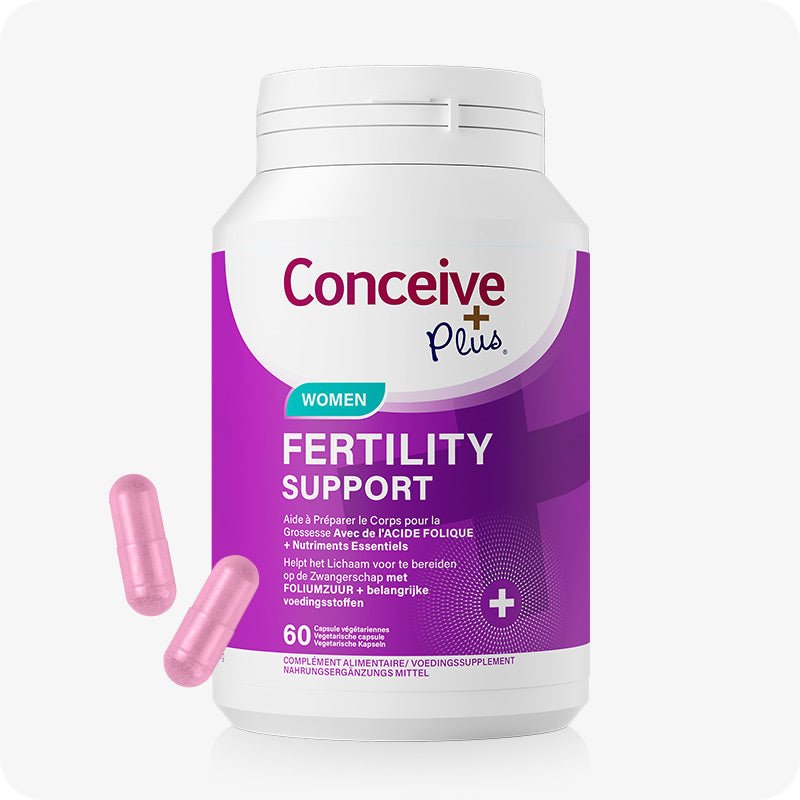
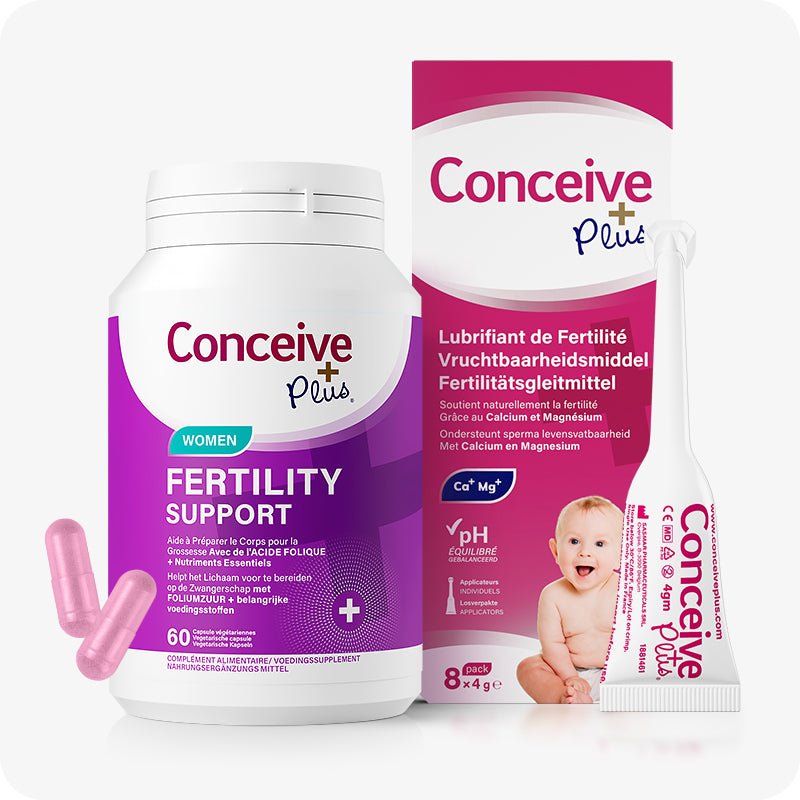
Support Your Fertility Journey with Conceive Plus
Clinically formulated fertility supplements trusted by couples worldwide.
Shop Conceive Plus Fertility Supplements →
CoQ10: The Mitochondrial Fertility Booster
CoQ10 is the most extensively studied IVF supplement. Eggs are the most mitochondria-dense cells in the human body — they need extraordinary energy for meiosis, fertilisation, and early cell division. CoQ10 both fuels and protects mitochondria through its role in the electron transport chain and its antioxidant activity.
A randomised controlled trial in Fertility and Sterility found that women who supplemented with CoQ10 before IVF had significantly more mature eggs retrieved, higher fertilisation rates, and better quality embryos. The dose studied was 600 mg/day for 60 days before oocyte retrieval. For women over 35, where mitochondrial function in eggs is already compromised, CoQ10 supplementation before IVF has the strongest evidence base.
For men, CoQ10 (200–400 mg/day for 3+ months) has been shown to improve sperm motility, concentration, and morphology — all relevant to IVF fertilisation success, particularly when using conventional IVF rather than ICSI.
Methylfolate (Active Folic Acid)
Standard prenatal vitamins contain folic acid — the synthetic precursor that must be converted to its active form (5-methyltetrahydrofolate) by the MTHFR enzyme. An estimated 40–60% of the population carries variants of the MTHFR gene that reduce this conversion efficiency by 30–70%. For these individuals, folic acid supplementation provides far less bioavailable folate than methylfolate.
Before IVF, adequate folate is essential for DNA methylation, chromosome segregation, and embryo implantation. Methylfolate is the recommended form for IVF preparation, at doses of 400–800 mcg/day beginning at least 3 months before egg retrieval.
Vitamin D3
Vitamin D deficiency is surprisingly common even in European populations, particularly during winter months. Multiple studies have found that women with adequate Vitamin D levels (above 30 ng/mL 25-OH-D) have significantly higher IVF success rates than deficient women — with some studies reporting 50% higher pregnancy rates. Vitamin D receptors are present in ovarian follicles and the endometrium, suggesting direct roles in egg maturation and implantation.
Testing Vitamin D levels before IVF is strongly recommended. Supplementation of 2,000–4,000 IU/day vitamin D3 is typically needed to achieve and maintain optimal levels, with re-testing after 8–12 weeks of supplementation.
Omega-3 Fatty Acids (DHA/EPA)
DHA (docosahexaenoic acid) is a major structural component of egg cell membranes and is critical for early foetal brain and nervous system development. Omega-3 supplementation has been associated with improved fertilisation rates, embryo quality, and reduced preterm birth risk. For IVF, algae-derived DHA is a particularly clean source that avoids heavy metal concerns associated with some fish oils.
Vitamin E
Vitamin E is a potent fat-soluble antioxidant that specifically protects lipid-rich egg and sperm membranes. Some fertility clinics recommend adding Vitamin E (200–400 IU/day) to the IVF preparation protocol, particularly for women with a thin endometrium — a condition associated with poorer implantation. Small studies have found that Vitamin E improves endometrial thickness in some patients.
DHEA (For Diminished Ovarian Reserve)
DHEA (dehydroepiandrosterone) is specifically relevant for women with poor ovarian reserve (low AMH or high FSH). Multiple studies have found that DHEA supplementation (75 mg/day for 6–12 weeks before IVF) improves ovarian response to stimulation, increasing the number of mature eggs retrieved in poor responders. It is not recommended for women with normal or high ovarian reserve. DHEA should always be prescribed and supervised by a reproductive endocrinologist.
Melatonin (Short-Term for Egg Retrieval)
Follicular fluid is exceptionally rich in melatonin, which acts as an antioxidant protecting the egg from oxidative damage generated during the inflammation of ovulation. Studies on short-term melatonin supplementation (3 mg/night) beginning approximately 4–6 weeks before egg retrieval have shown improvements in egg quality and fertilisation rates in some IVF populations. This is a short-term, targeted intervention — not long-term supplementation.
Male Partner IVF Preparation
While IVF often focuses attention on the female partner's preparation, sperm quality critically influences IVF outcomes. Sperm DNA fragmentation — damage to the genetic material within sperm — can impair fertilisation even with ICSI, reduce embryo quality, and increase early pregnancy loss rates.
Key supplements for male IVF preparation (3+ months before egg retrieval):
- CoQ10 (200–400 mg/day): Reduces sperm DNA fragmentation, improves motility
- Vitamin C + E: Synergistic antioxidant protection for sperm membranes
- Selenium (100 mcg/day): Supports spermatogenesis and glutathione peroxidase activity
- Zinc (15–25 mg/day): Essential for spermatogenesis and testosterone production
- L-carnitine (1,000–2,000 mg/day): Supports sperm motility by facilitating fatty acid transport for energy production in the sperm tail
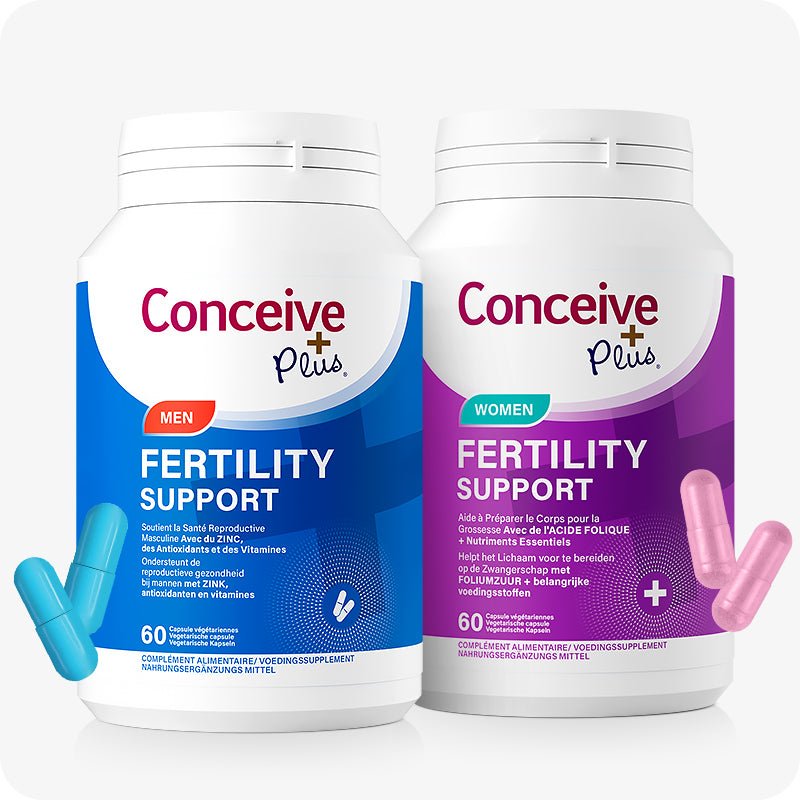
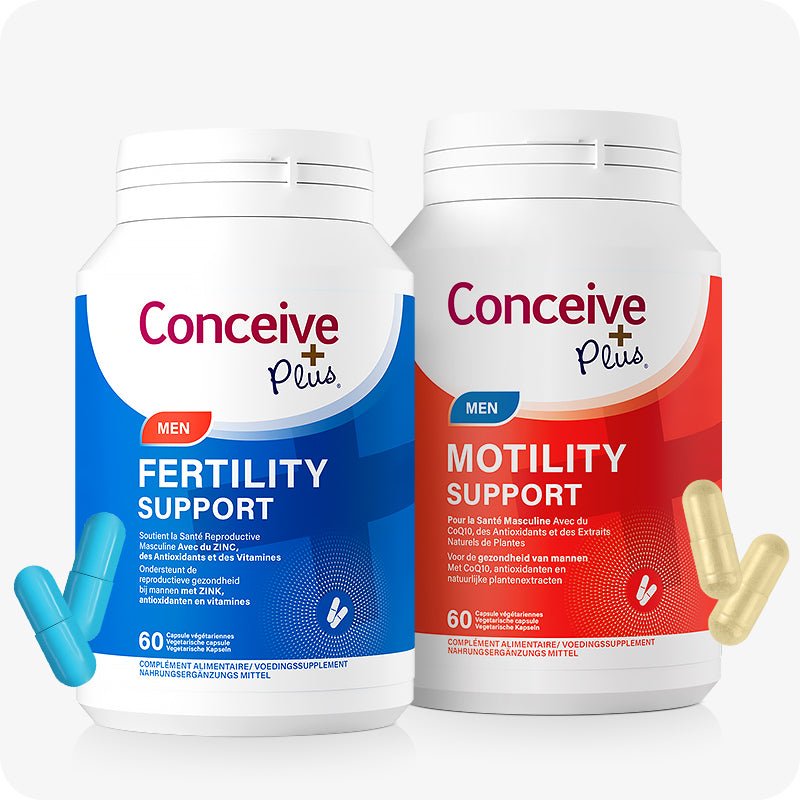
Conceive Plus Men's Fertility Support provides this comprehensive antioxidant-mineral-carnitine combination in a single daily supplement, designed specifically for men preparing for conception, including IVF cycles.
Lifestyle Optimisation for IVF
Diet: Mediterranean Pattern
The Mediterranean dietary pattern — rich in vegetables, legumes, olive oil, whole grains, fatty fish, and moderate in dairy — is consistently associated with better IVF outcomes. A study of 244 women undergoing IVF in Greece found that those following a Mediterranean diet for 6 months before treatment had significantly higher pregnancy and live birth rates. The mechanisms include reduced oxidative stress, improved insulin sensitivity, and better hormonal milieu.
Maintaining Healthy Weight
BMI significantly influences IVF outcomes. Women with BMI above 35 have substantially lower pregnancy rates from IVF, require higher medication doses, and face greater miscarriage risk. For men, obesity is associated with lower testosterone, poorer sperm parameters, and reduced IVF success. Optimising weight before IVF is among the most impactful modifiable factors — though rapid weight loss approaches are counterproductive.
Eliminate Alcohol and Tobacco
Even moderate alcohol consumption reduces IVF success rates. A study found that women who drank more than 4 drinks per week had 16% lower egg retrieval rates and 24% lower live birth rates. Smoking dramatically impairs IVF outcomes in both partners — it is associated with lower egg yields, higher miscarriage rates, and worse sperm parameters. Both should be completely eliminated before IVF treatment.
Sleep Quality
Sleep is when melatonin peaks naturally, when growth hormone (important for follicular development) is secreted, and when cortisol (the stress hormone that can suppress LH) is lowest. Poor sleep quality and insufficient sleep duration are associated with irregular cycles and reduced fertility. Targeting 7–9 hours of quality sleep during IVF preparation is a meaningful but often overlooked intervention.
Stress Management
IVF is inherently stressful — but elevated cortisol can interfere with GnRH signalling and the hormonal cascade driving follicular development. Mind-body approaches including mindfulness meditation, acupuncture, yoga, and therapy specifically for fertility stress have all been studied in the IVF context, with some evidence suggesting benefits for both psychological wellbeing and IVF outcomes.
Exercise: Moderate is Best
Moderate exercise (30–45 minutes, 4–5 days per week) supports fertility by maintaining healthy weight, improving insulin sensitivity, and reducing stress. However, very high-intensity exercise (marathon training, CrossFit multiple times daily) is associated with impaired ovulation and reduced IVF success in some studies. During the stimulation phase of IVF itself, high-impact exercise should be reduced due to the risk of ovarian torsion with enlarged stimulated ovaries.
Limiting Environmental Toxins
Several environmental chemicals have documented effects on reproductive hormones and fertility. BPA (bisphenol A) in certain plastics acts as a xenoestrogen and is associated with poorer IVF outcomes. Phthalates (in some personal care products and food packaging) are similarly implicated. Practical steps: store food in glass or stainless steel, choose fragrance-free personal care products, and eat organic produce where feasible to reduce pesticide exposure.
The IVF Timeline: When to Start Each Intervention
- 6 months before egg retrieval: Begin dietary overhaul, address weight if needed, CoQ10 supplementation, stop smoking/alcohol, address sleep/stress, Vitamin D testing and supplementation
- 3 months before: Confirm full supplement protocol in place (CoQ10, methylfolate, Vitamin D, omega-3s, antioxidants), adjust doses based on bloodwork, male partner supplement protocol well underway
- 4–6 weeks before egg retrieval: Consider adding melatonin (if appropriate and discussed with your clinic), reduce high-intensity exercise, maximise sleep quality
- During stimulation: Maintain supplement protocol (unless clinic advises otherwise), avoid high-impact exercise, optimise sleep, continue healthy eating
When to Discuss Supplements with Your Clinic
Always disclose your complete supplement protocol to your reproductive endocrinologist. Most antioxidant supplements are compatible with IVF medications, but there are exceptions. High-dose Vitamin E can have mild anticoagulant effects relevant if you have clotting issues. Some clinics have specific preferences about DHEA use. Your protocol should be individualised based on your diagnosis, test results, and prior IVF history.
Frequently Asked Questions About IVF Preparation
Q: Does CoQ10 really help with IVF?
A: The evidence is strongest for women over 35 or those with diminished ovarian reserve. Multiple clinical trials show improved egg yield, fertilisation rates, and embryo quality with 600 mg/day for 60+ days before retrieval. For younger women with good ovarian reserve, the benefit may be smaller but the risk is negligible, making it a reasonable addition.
Q: How long before IVF should I start supplements?
A: At least 3 months — aligned with the duration of follicular development and spermatogenesis. Starting 6 months before allows more time for lifestyle changes to take effect and blood levels of fat-soluble nutrients (Vitamin D, E, CoQ10) to optimise.
Q: Should my partner take supplements too?
A: Yes. Sperm DNA fragmentation has significant effects on IVF outcomes — particularly embryo quality and early pregnancy loss. A comprehensive antioxidant protocol for the male partner, started 3 months before the IVF cycle, is strongly recommended by most fertility specialists.
Q: Is acupuncture helpful for IVF?
A: Evidence is mixed but generally supportive of a benefit — particularly for reducing anxiety, improving sleep, and potentially improving endometrial blood flow. A 2019 Cochrane review found evidence of modest benefit on IVF outcomes, though the quality of trials was variable. It carries minimal risk and many patients find it beneficial for the psychological aspects of IVF stress.
Q: Does stress cause IVF failure?
A: The relationship between stress and IVF outcomes is complex. While very high cortisol can theoretically impair the HPO axis, studies have not consistently shown that anxiety or depression independently cause IVF failure. That said, managing stress improves quality of life during what can be a very difficult process, and several mind-body interventions have shown modest outcome improvements in trials.
Q: What should I eat during IVF stimulation?
A: Continue the Mediterranean-style diet emphasising vegetables, legumes, olive oil, fatty fish, and whole grains. Specifically, adequate protein supports follicle development; iron-rich foods (lean meat, legumes) support red blood cell production; and high-antioxidant foods protect against oxidative stress generated by the stimulation process. Stay well hydrated, particularly as stimulated ovaries enlarge.
Q: Should I stop supplements once my IVF cycle starts?
A: Generally, you can continue most supplements through stimulation. Discuss with your clinic whether to continue through the egg retrieval and embryo transfer. Most clinics recommend continuing a pregnancy-appropriate supplement (with methylfolate, DHA, and key minerals) through the luteal phase and into early pregnancy.
Q: Can supplements improve egg quality?
A: Supplements cannot reverse the age-related decline in egg chromosomal integrity, but they can optimise the conditions in which existing follicles mature. CoQ10, Vitamin D, and antioxidants can improve the functional quality of eggs — their energy production, membrane integrity, and freedom from oxidative damage — even when structural chromosomal issues persist.
Conclusion: Your IVF Preparation Is an Active Investment
The months before your IVF cycle are not simply a waiting period — they are a critical preparation window during which you can meaningfully influence the quality of the eggs and sperm that will determine your cycle's success. A comprehensive approach combining targeted supplementation, Mediterranean-style nutrition, optimal sleep, moderate exercise, and stress management gives you the best biological foundation for a successful IVF outcome.
Conceive Plus fertility supplements are specifically designed to support this preparation phase, delivering the evidence-based nutrients — CoQ10, methylfolate, Vitamin D3, antioxidants, and essential minerals — in the bioavailable forms and clinical doses used in reproductive medicine research.
Support Your Fertility Journey with Conceive Plus
Clinically formulated fertility supplements trusted by couples worldwide.
Shop Conceive Plus Fertility Supplements →