The Fertility Diet: Evidence-Based Foods to Boost Your Chances of Conception


The Fertility Diet: Evidence-Based Foods to Boost Your Chances of Conception
What you eat has a measurable impact on fertility — for both women and men. The fertility diet is grounded in rigorous nutritional epidemiology showing that specific dietary patterns significantly improve hormonal balance, egg quality, sperm health, and implantation rates.
This comprehensive guide explains the evidence behind the fertility diet, which foods to prioritise and avoid, targeted nutrition for both partners, and how Conceive Plus bridges the nutritional gaps that diet alone may leave.
The Science: How Diet Affects Fertility
Diet influences fertility through multiple biological pathways:
- Hormonal balance: Blood sugar stability and insulin sensitivity directly regulate reproductive hormones
- Oxidative stress: Dietary antioxidants protect eggs and sperm from free radical damage
- Inflammation: Chronic low-grade inflammation disrupts implantation, egg quality, and sperm production
- Micronutrient supply: Folate, zinc, iron, vitamin D, and omega-3 fatty acids are directly involved in reproductive function
The Mediterranean Diet: The Gold Standard for Fertility
Ready to Support Your Fertility Journey?
Conceive Plus products are trusted by thousands of couples worldwide and clinically formulated with the nutrients that matter most.
Shop Conceive Plus Now →A landmark study from the Harvard Nurses' Health Study — which followed over 18,000 women — found that a "fertility diet" closely resembling the Mediterranean pattern reduced ovulatory infertility risk by 66%.
A 2018 study in Human Reproduction found that Mediterranean diet adherence was associated with a 40% higher probability of achieving pregnancy in women undergoing IVF.
Core Mediterranean Diet Principles
- Abundant vegetables and fruits: 7–10 servings daily, emphasising colourful variety
- Whole grains: Oats, quinoa, brown rice over refined white carbohydrates
- Legumes: Lentils, chickpeas, beans — excellent protein and fibre sources
- Oily fish: Salmon, sardines, mackerel — 2–3 times per week for omega-3 fatty acids
- Olive oil as primary fat: Extra-virgin olive oil rich in oleocanthal (anti-inflammatory)
- Nuts and seeds: Walnuts, almonds, flaxseeds, pumpkin seeds
- Limited red meat and processed meat
Fertility Superfoods: The Evidence
Leafy Greens
Spinach, kale, and rocket are packed with folate, vitamin K, iron, and antioxidants. Folate is the single most important nutrient for preconception women — many European women are folate-insufficient, making dietary intake alongside supplementation critical.
Oily Fish
Omega-3 fatty acids (DHA and EPA) are essential for follicle development, anti-inflammatory hormonal signalling, and foetal brain development. A 2022 meta-analysis found that higher omega-3 intake was associated with improved IVF pregnancy rates.
Walnuts
A 2012 RCT showed that men eating 75g walnuts daily for 12 weeks had significantly improved sperm motility, morphology, and reduced DNA fragmentation compared to controls.
Avocados
A study from Boston IVF found that women with the highest monounsaturated fat intake had 3.5 times higher success rates in IVF embryo transfer cycles.
Pumpkin Seeds
Outstanding source of zinc, iron, and antioxidants. One handful (30g) provides approximately 3mg zinc — essential for testosterone production in men and progesterone synthesis in women.
Foods to Limit or Avoid for Fertility
- Sugar and refined carbohydrates: Drive insulin spikes, androgen production, and oxidative stress
- Trans fats: The Harvard Nurses' Health Study found each 2% increase in trans fat calories was associated with a 73% higher risk of ovulatory infertility
- Alcohol: Most European fertility authorities recommend abstinence when actively trying to conceive
- Excess caffeine: Limit to 200mg/day (approximately 1–2 cups of coffee)
- Processed meat: Associated with poorer sperm parameters and inflammatory disruption of ovulation
Male Fertility Diet: Specific Considerations
- Zinc: Oysters (highest food source), red meat, pumpkin seeds, legumes
- Selenium: 1–2 Brazil nuts per day provides the full daily requirement
- Lycopene: Cooked tomatoes — associated with improved sperm morphology
- Vitamin E: Almonds, sunflower seeds, avocados — protects sperm membranes
- Vitamin C: Peppers, citrus fruits, broccoli — primary antioxidant in seminal plasma
Bridging the Gap with Supplementation
Even the most carefully planned fertility diet may fall short of the therapeutic doses needed for clinical benefit. The doses of CoQ10, methylfolate, and zinc used in RCTs are very difficult to achieve through diet alone.
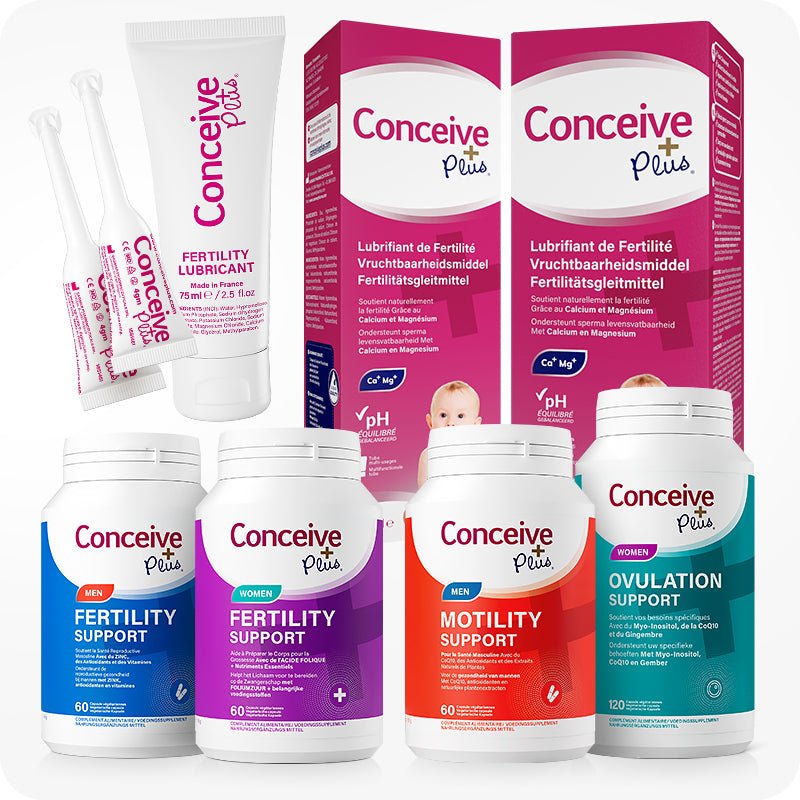
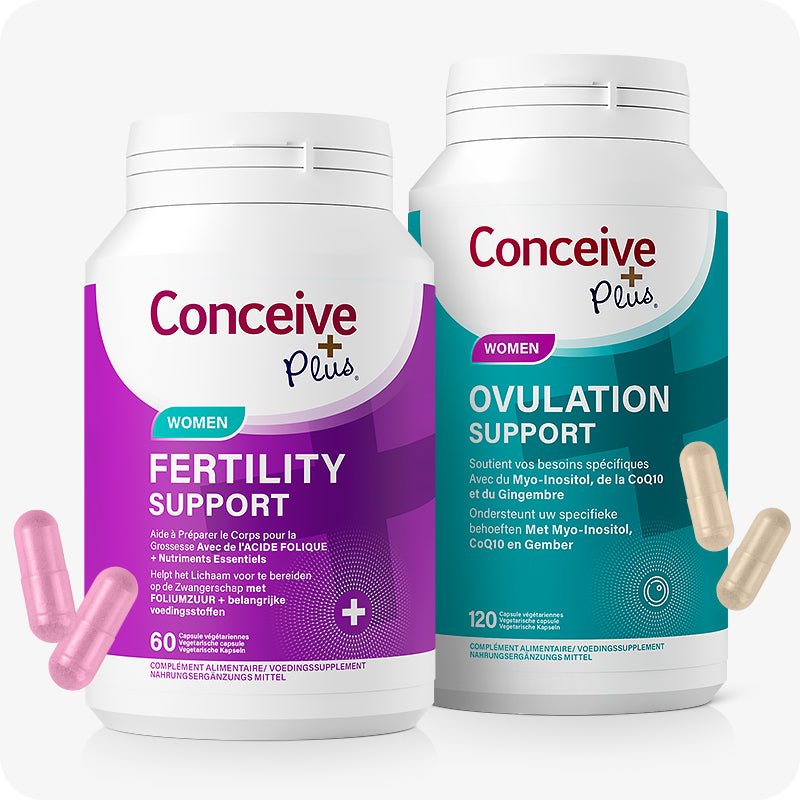
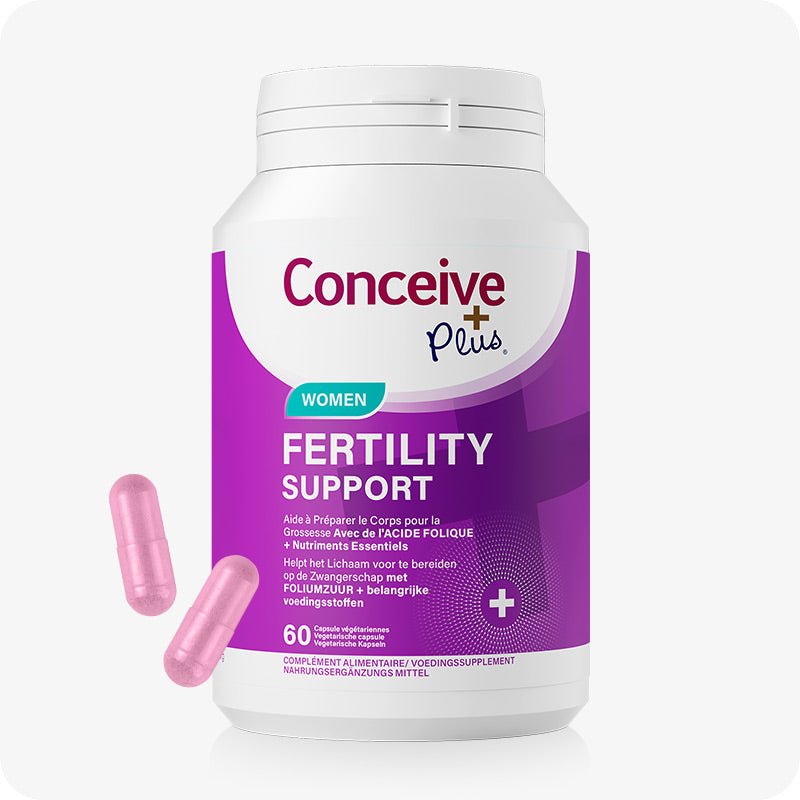
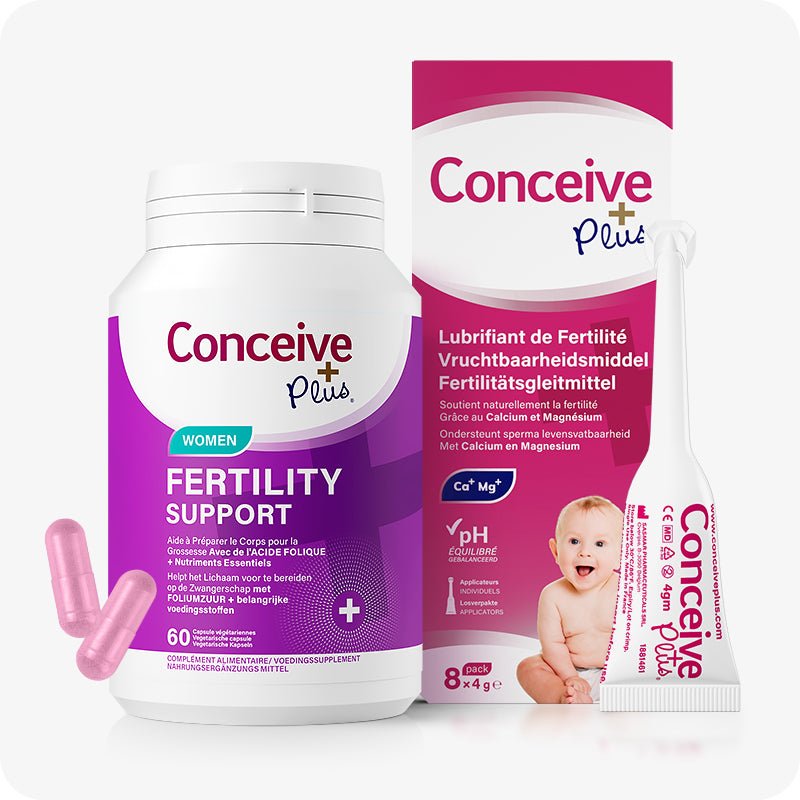
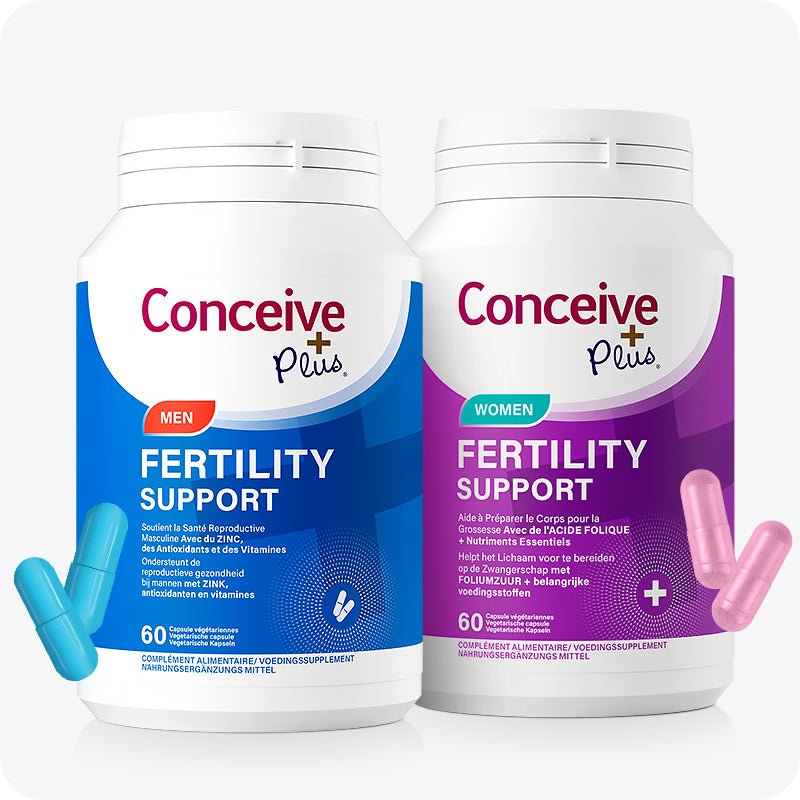
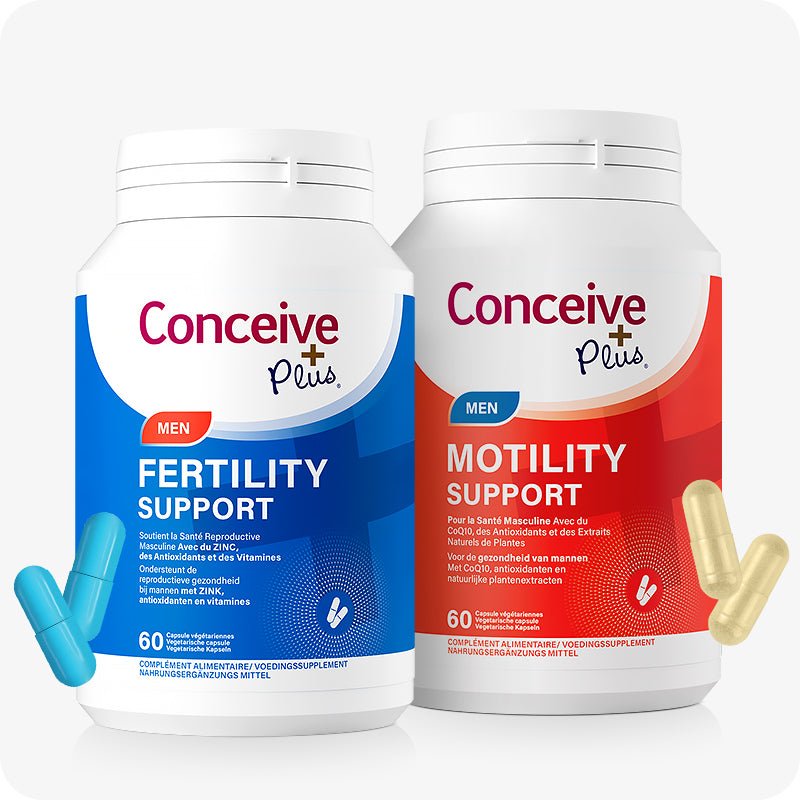
Conceive Plus Women's and Men's Fertility Support supplements are designed to complement a fertility-focused diet — providing concentrated doses of key nutrients in bioavailable forms (methylfolate, ubiquinol, chelated minerals) that food cannot reliably deliver.
Frequently Asked Questions: The Fertility Diet
How quickly can diet changes improve fertility?
Dietary improvements that reduce oxidative stress begin affecting sperm quality within weeks. Egg quality improvements require 3 months (the full follicle development cycle). Hormonal benefits from blood sugar stabilisation can be measurable within 4–8 weeks.
Is a vegan or vegetarian diet good for fertility?
Well-planned plant-based diets can support excellent fertility. Key nutrients to monitor: vitamin B12, omega-3 fatty acids (algal oil), zinc, iron, and iodine — all of which may require supplementation.
Does body weight affect fertility?
Yes, at both extremes. Overweight is associated with insulin resistance and anovulation. Underweight is associated with hypothalamic suppression and anovulatory cycles.
Should men also follow a fertility diet?
Absolutely. Male factor contributes to 40–50% of fertility difficulties. Diet significantly affects sperm concentration, motility, morphology, and DNA fragmentation.
How important is folate in the fertility diet?
Critical. European health authorities recommend 400mcg/day folate (as methylfolate) for all women trying to conceive — from before conception, as neural tube closure occurs within the first 28 days.
Does alcohol really affect male fertility?
Yes. Even moderate intake reduces testosterone, increases estradiol (aromatisation), and raises oxidative stress in seminal plasma. Abstinence during TTC is the safest recommendation.
What is the fertility diet for IVF?
The same Mediterranean-pattern diet applies, with additional emphasis on antioxidant intake (vitamins C and E, CoQ10, lycopene) in the 3 months before egg retrieval.
Is there a specific fertility diet for endometriosis?
An anti-inflammatory approach is most supported: high omega-3, high antioxidants, low processed foods. Some research supports limiting red meat and gluten in symptomatic endometriosis.
Ready to Support Your Fertility Journey?
Conceive Plus products are trusted by thousands of couples worldwide and clinically formulated with the nutrients that matter most.
Shop Conceive Plus Now →