Fertility Diet: Foods That Boost Your Chances of Conception


Fertility Diet: The Evidence-Based Foods That Boost Your Chances of Conception
What you eat in the months before trying to conceive has a profound influence on your fertility. From egg quality and ovulation regularity to sperm health and uterine receptivity, nutrition shapes nearly every aspect of reproductive function. The fertility diet is not a trend — it is an evidence-based approach to preconception nutrition that has been studied in thousands of women and men worldwide.
This comprehensive guide brings together the most current research on fertility nutrition for 2026, covering the best fertility foods, key nutrients, dietary patterns that support conception, and how to complement your diet with targeted supplements from Conceive Plus.
Why Diet Matters for Fertility
Food is not merely fuel — it is information for your reproductive system. The nutrients in your diet become the building blocks of eggs, sperm, hormones, the endometrial lining and the early embryo. Deficiencies in key nutrients can impair ovulation, reduce sperm quality, compromise egg development and increase the risk of early pregnancy loss.
Large-scale observational studies have consistently shown that dietary patterns affect fertility outcomes. A landmark Harvard Nurses' Health Study II, which followed over 17,000 women, found that women following a fertility-promoting dietary pattern had significantly lower rates of ovulatory infertility. A similar pattern is seen in male fertility research: men following Mediterranean-style diets have 40–60% better semen parameters than those following Western-style diets.
The good news is that dietary improvements can begin showing measurable effects on fertility parameters within 3 months — the approximate timeframe for both egg maturation (follicular development) and sperm production (spermatogenesis).
The Fertility Diet: Core Principles
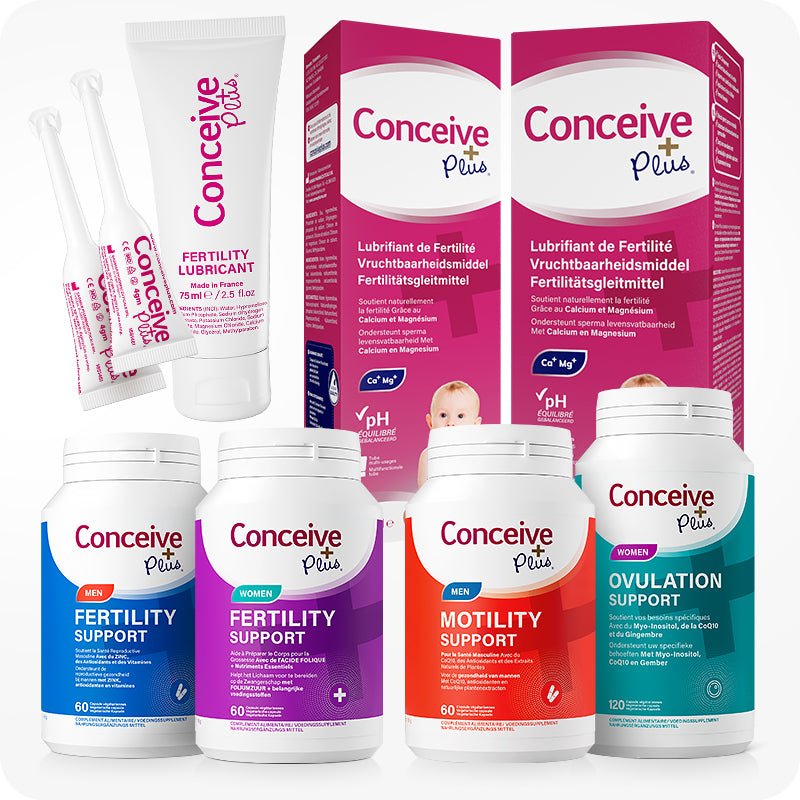
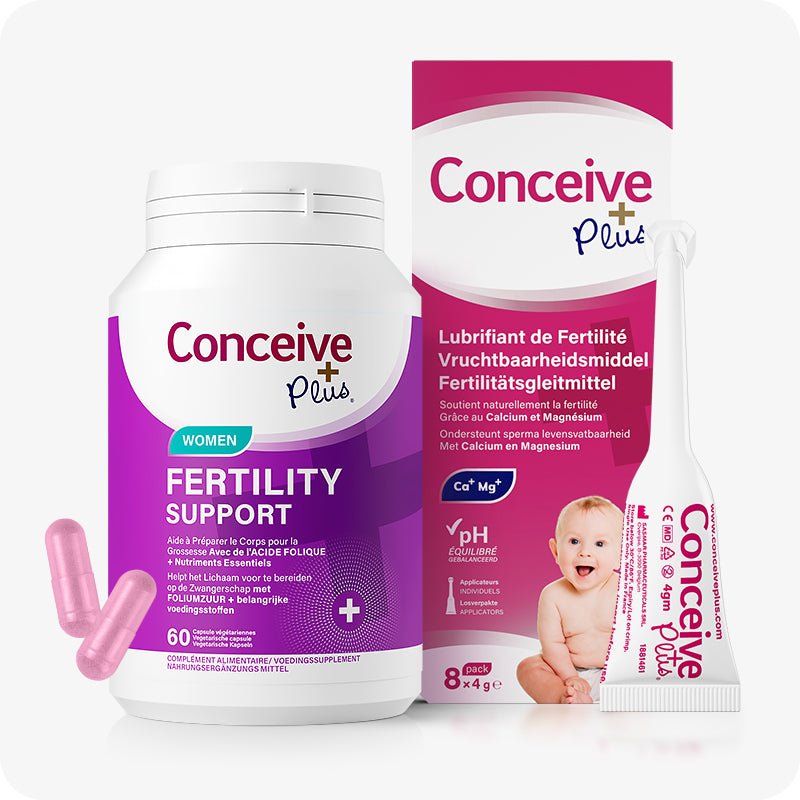
Ready to support your fertility journey? Conceive Plus has helped hundreds of thousands of couples worldwide. Explore our complete range of fertility supplements and lubricants — formulated with fertility specialists and trusted by clinics globally.
Rather than rigid rules, the fertility diet is characterised by consistent patterns of food choice. The overarching principles are:
- Antioxidant-rich: Protecting eggs and sperm from oxidative damage through abundant fruit, vegetables and whole foods
- Anti-inflammatory: Chronic inflammation disrupts hormonal signalling and implantation. Omega-3 fats, olive oil and polyphenol-rich foods reduce systemic inflammation
- Blood sugar-stabilising: Irregular blood sugar and insulin spikes disrupt the hypothalamic-pituitary-ovarian axis governing ovulation and testosterone production
- Nutrient-dense: High in folate, iron, zinc, iodine, selenium, choline and other micronutrients essential for reproductive function
- Gut-microbiome supporting: Emerging research connects gut health with hormonal metabolism and reproductive outcomes through the gut-brain-reproductive axis
Top Fertility Foods for Women
The following foods have the strongest evidence base for supporting female fertility:
1. Leafy Green Vegetables
Spinach, kale, Swiss chard, rocket and broccoli are among the most nutrient-dense foods for fertility. They provide:
- Natural folate (not folic acid) — essential for preventing neural tube defects and supporting cell division in the early embryo
- Iron — low iron is associated with impaired ovulation; non-haem plant iron from greens is enhanced by consuming with vitamin C
- Vitamin K2 — supports calcium metabolism and bone health important in pregnancy
- Antioxidants including lutein, beta-carotene and vitamin C that protect developing follicles
2. Full-Fat Dairy (in moderation)
Counterintuitively, the Harvard Nurses' Health Study found that women consuming at least one serving of full-fat dairy daily (whole milk, full-fat yogurt) had lower rates of ovulatory infertility than those consuming low-fat dairy exclusively. The proposed mechanism involves fat-soluble vitamins A, D, E and K2 in full-fat products, and bioactive lipids that may support progesterone production. One daily serving is the evidence-supported amount.
3. Legumes
Lentils, chickpeas, black beans and other legumes are fertility superfoods. They provide plant-based protein (higher plant protein intake is associated with lower risk of ovulatory infertility), folate, zinc and slow-releasing carbohydrates that support stable blood sugar — critical for hormonal balance.
4. Avocados
Rich in monounsaturated fats (the same type found in olive oil), avocados support hormonal production, as steroid hormones — including oestrogen and progesterone — are synthesised from cholesterol and fats. A 2019 study found women undergoing IVF who consumed more monounsaturated fats had significantly higher live birth rates.
5. Berries
Blueberries, strawberries, raspberries and blackberries provide anthocyanins and vitamin C — powerful antioxidants that protect eggs from oxidative damage during their extended maturation period. Berries also support metabolic health and insulin sensitivity.
6. Oily Fish
Salmon, mackerel, sardines and anchovies provide long-chain omega-3 fatty acids (EPA and DHA) that are essential structural components of the egg membrane, reduce inflammation in the reproductive tract, and support proper prostaglandin signalling during ovulation. Aim for 2–3 portions per week. Choose lower-mercury species; avoid shark, swordfish and king mackerel.
7. Eggs
Among the most fertility-complete foods, eggs provide choline (essential for neural tube development and often deficient in pregnant women), vitamin D, iodine, selenium and high-quality protein. The yolk contains the most nutrients — avoid egg-white-only preparations when fertility is a priority.
Top Fertility Foods for Men
Male fertility is equally nutrition-dependent. The following foods support sperm production, motility and DNA integrity:
- Tomatoes and cooked tomato products: Among the richest dietary sources of lycopene — a carotenoid concentrated in testes that is a potent antioxidant protecting sperm from oxidative damage. Studies link higher lycopene intake with better motility
- Walnuts: A UCLA randomised trial found 75g walnuts daily improved sperm vitality, motility and morphology — likely due to omega-3 ALA, vitamin E and antioxidant polyphenols
- Oysters and pumpkin seeds: Extraordinary sources of zinc — the mineral most critical for testosterone production, sperm formation and DNA integrity
- Brazil nuts: Just 2–3 Brazil nuts daily provides the entire recommended daily intake of selenium — essential for selenoprotein P, which protects sperm during their epididymal journey
- Dark chocolate (70%+): Contains L-arginine (a nitric oxide precursor supporting blood flow and sperm production), antioxidants and zinc. In moderation, dark chocolate supports both male and female fertility
Foods to Reduce or Avoid When TTC
Equally important is identifying what to minimise in your fertility diet:
- Trans fats: Found in many processed baked goods and some margarines. Associated with ovulatory infertility in women and impaired sperm quality in men. Check labels for "partially hydrogenated oils"
- Ultra-processed foods: A 2023 analysis found each serving of ultra-processed food per day was associated with 8% higher risk of ovulatory infertility in women
- Refined carbohydrates and sugar: Cause rapid blood sugar spikes that dysregulate insulin — a key driver of PCOS, hormonal imbalance and impaired ovulation
- Excessive alcohol: Disrupts oestrogen metabolism in women and testosterone in men. Current guidelines suggest complete abstinence when actively TTC, though the evidence for moderate intake causing harm is mixed
- High-mercury fish: Mercury accumulates in eggs and crosses the placenta. Avoid tuna steak, shark, swordfish, marlin and king mackerel
- Soy in excess: Phytoestrogens in soy may affect hormonal balance in sensitive individuals, particularly those with thyroid disorders. Moderate edamame or tofu 2–3 times per week appears safe for most women
- Processed meats: Associated with lower sperm quality in multiple studies; replace with poultry, fish or legumes for protein
The Mediterranean Diet and Fertility: The Gold Standard
No single dietary pattern has more consistent fertility research behind it than the Mediterranean diet — a pattern characterised by abundant vegetables, fruits, legumes, whole grains, olive oil, moderate fish and dairy, and limited red meat and processed foods.
Key research:
- A 2018 study in Human Reproduction found women with high Mediterranean diet adherence had significantly higher IVF success rates
- A Greek cohort study found women with PCOS following the Mediterranean diet had better menstrual regularity and lower androgen levels
- In men, Mediterranean diet adherence is associated with higher sperm concentration, motility and total count in multiple international cohorts
The Mediterranean diet is not restrictive — it is abundant, varied and delicious. It also naturally provides many of the nutrients most critical for fertility: folate, antioxidants, omega-3s, zinc, selenium and phytonutrients.
Key Fertility Nutrients to Prioritise
While a whole-food diet provides the foundation, certain nutrients deserve particular attention when trying to conceive:
- Folate (400–800mcg daily): Essential before and during early pregnancy for neural tube development. Choose methylfolate if possible, especially for women with MTHFR gene variants
- Vitamin D (1,000–2,000 IU daily minimum): Deficiency is widespread in Europe and linked to impaired follicle development and lower IVF success rates
- Iodine (150–220mcg daily): Essential for thyroid hormone production, which governs metabolic rate and is critical during early pregnancy brain development. Often deficient in vegan and dairy-free diets
- Omega-3 DHA (250–500mg daily): Structural component of egg membranes and developing brain. Most women need supplementation unless eating 2+ portions of oily fish per week
- CoQ10 (200–600mg daily): Supports mitochondrial energy in developing eggs; particularly important for women over 35
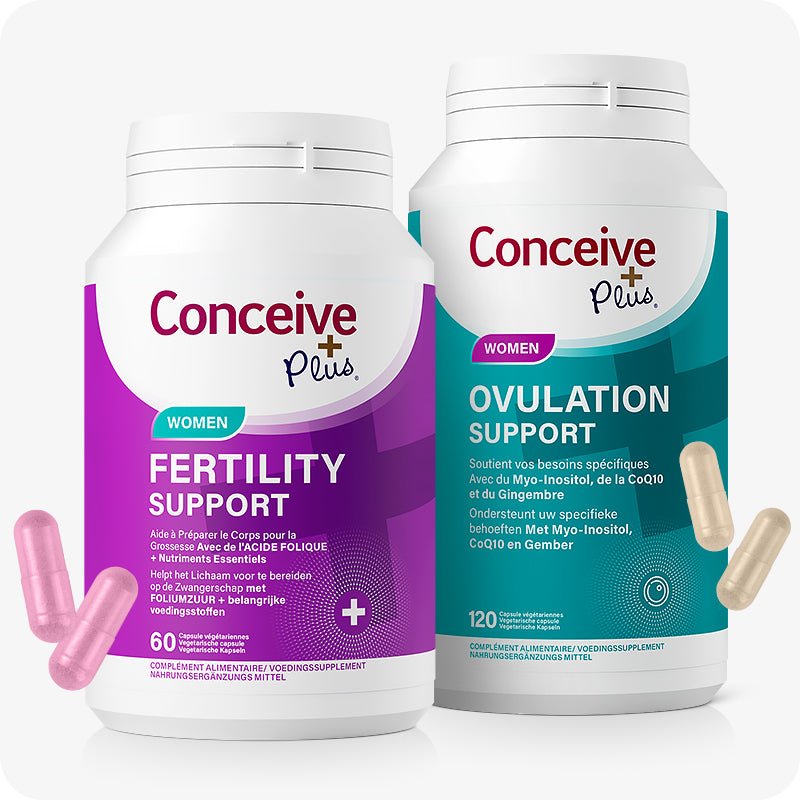
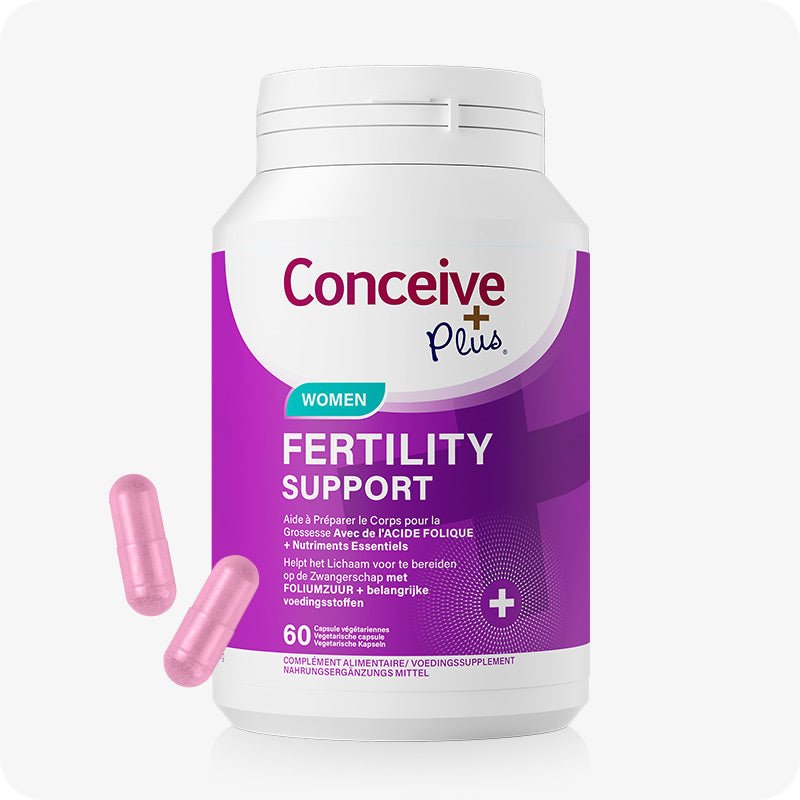
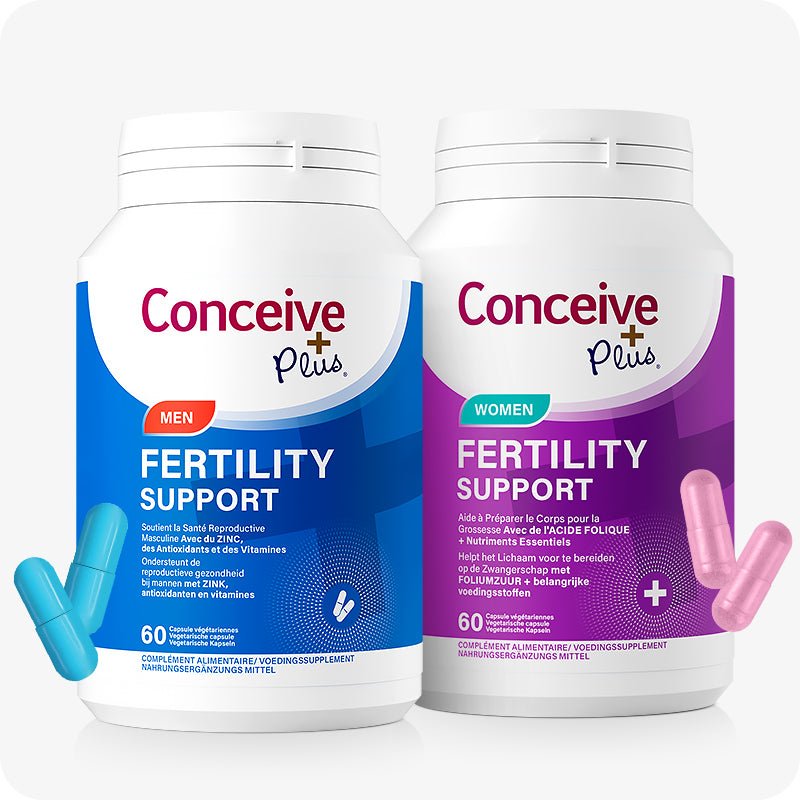
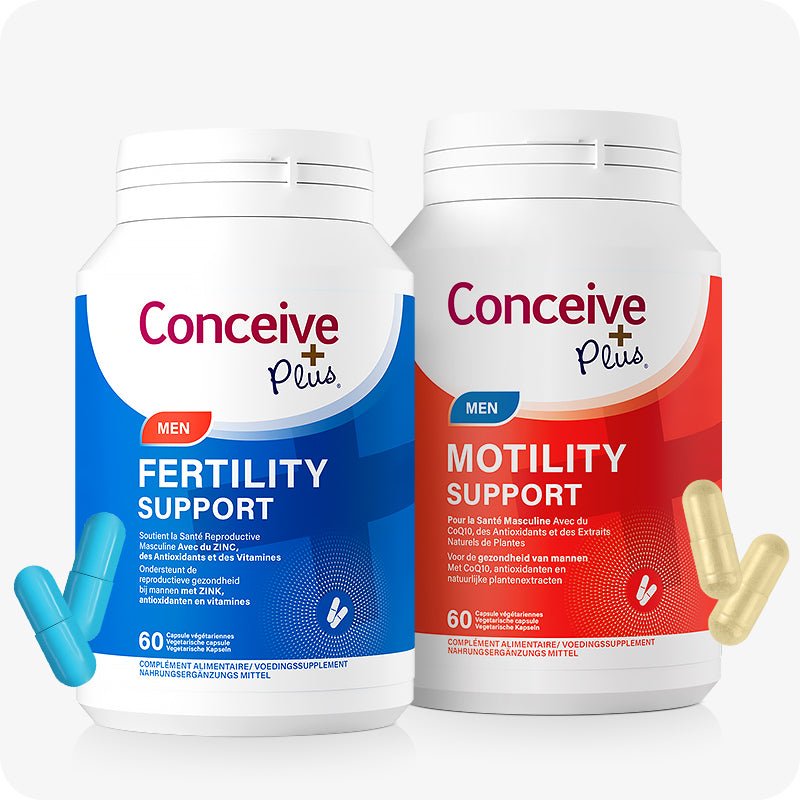
Conceive Plus fertility supplements are formulated to complement a fertility-focused diet, delivering the most critical reproductive micronutrients in bioavailable forms. Explore the range at conceiveplus.eu/collections/fertility-supplements.
Meal Planning for Fertility: A Practical Week
Translating principles into meals is the key to dietary consistency. Here is a snapshot of what fertility-optimised eating looks like in practice:
- Breakfast: Scrambled eggs with spinach and avocado on sourdough toast; a small bowl of mixed berries on the side
- Lunch: Large salad with rocket, cherry tomatoes, cucumber, chickpeas, walnuts and olive oil-lemon dressing; grilled salmon fillet
- Dinner: Lentil and vegetable soup with wholegrain bread; Greek yogurt with honey and walnuts for dessert
- Snacks: 2 Brazil nuts, handful of pumpkin seeds, fresh fruit, full-fat Greek yogurt
- Hydration: Water (aim for 2 litres daily), herbal teas. Limit caffeine to under 200mg daily (approximately 1–2 espressos)
Frequently Asked Questions: Fertility Diet
Q1: How long before TTC should I start eating for fertility?
A: Ideally, begin your fertility-focused diet at least 3 months before trying to conceive — aligning with the 90-day egg and sperm development cycle. Earlier is always better.
Q2: Can I drink alcohol at all when TTC?
A: The evidence suggests that light to moderate alcohol may not significantly impair fertility in most women, but alcohol is a known teratogen in early pregnancy (often before you know you are pregnant). Most experts recommend avoiding alcohol when actively TTC.
Q3: Is caffeine harmful to fertility?
A: High caffeine intake (over 300mg/day) is associated with modestly longer time-to-conception and slightly elevated miscarriage risk. Keeping consumption below 200mg/day (1–2 cups of coffee) is the recommended precaution.
Q4: Should my partner follow the fertility diet too?
A: Absolutely. Sperm quality responds powerfully to diet — men following Mediterranean dietary patterns have substantially better semen parameters. A shared dietary approach also makes implementation easier and more sustainable.
Q5: Do I need to take supplements if I eat a healthy diet?
A: Most fertility experts recommend supplementation even with an excellent diet, because therapeutic doses of certain nutrients (folate, vitamin D, CoQ10) are difficult to achieve through food alone. Think of supplements as insurance for a fertility diet, not a replacement. Conceive Plus fertility supplements complement diet rather than replace it.
Q6: Is a vegan diet compatible with trying to conceive?
A: Yes, with careful planning. Vegan TTC women should pay particular attention to B12, iodine, DHA, zinc, iron and vitamin D — all nutrients primarily found in animal products. A vegan-appropriate fertility supplement is strongly recommended.
Q7: Does body weight affect fertility?
A: Yes, significantly. Both underweight (BMI under 18.5) and overweight (BMI over 27) are associated with irregular ovulation and longer time-to-conception. Even modest weight loss of 5–10% in overweight women can restore regular ovulation in many cases.
Q8: Are organic foods better for fertility?
A: Pesticide residues have been associated with impaired fertility outcomes in some studies. The "Dirty Dozen" list published annually identifies highest-pesticide produce where organic is most beneficial. If budget is a consideration, prioritise organic for strawberries, spinach, apples and peppers — but any fruits and vegetables are better than none.
Q9: Can I use Conceive Plus lubricant with a fertility diet approach?
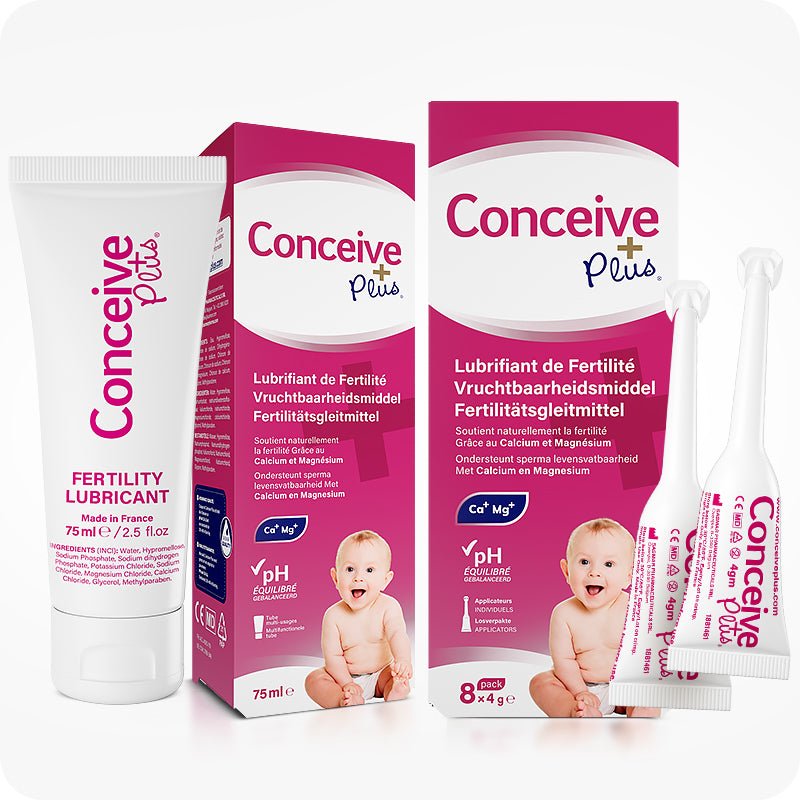
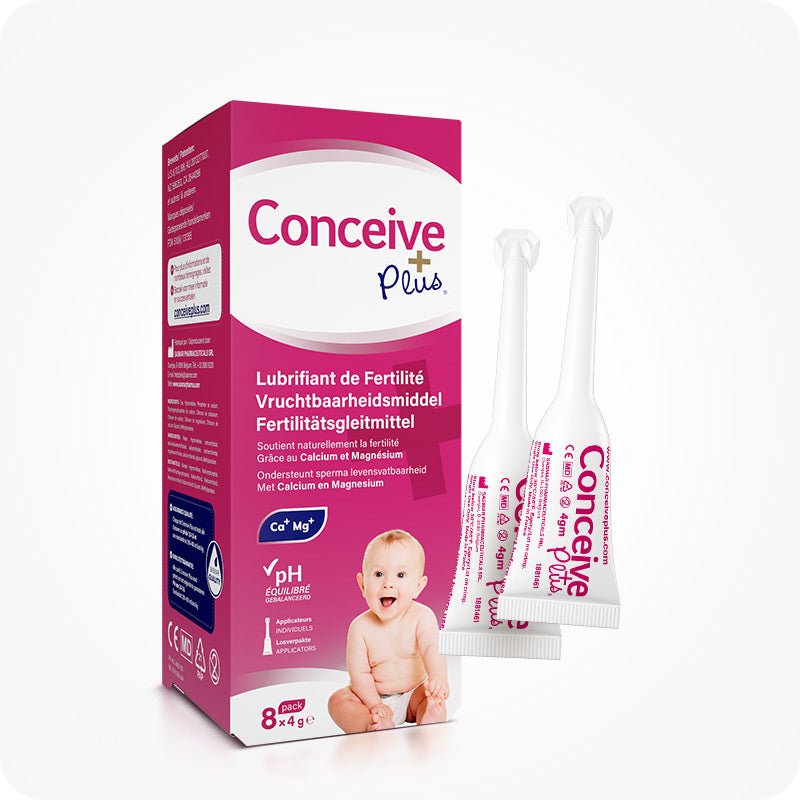
A: Yes — Conceive Plus fertility lubricant is a separate but complementary tool for TTC. While your diet supports egg and sperm quality, Conceive Plus lubricant supports the physical conditions for fertilisation by protecting sperm and mimicking fertile cervical mucus.
Q10: Where can I find Conceive Plus supplements in Europe?
A: Available at conceiveplus.eu/collections/fertility-supplements with fast delivery across Europe.
Conclusion: Food as Fertility Medicine
The fertility diet is one of the most powerful, accessible and side-effect-free interventions available to couples trying to conceive. An abundance of vegetables, fruit, legumes, healthy fats, quality proteins and whole grains — aligned with the Mediterranean dietary pattern — creates the optimal biochemical environment for conception.
Start your fertility diet today, alongside a targeted supplement protocol from Conceive Plus to ensure you are covering the full spectrum of reproductive micronutrients. Your fertility journey begins on your plate — and every meal is an opportunity to nourish the new life you are hoping to create.
Explore the Conceive Plus fertility supplement range at conceiveplus.eu/collections/fertility-supplements.
Ready to support your fertility journey? Conceive Plus has helped hundreds of thousands of couples worldwide. Explore our complete range of fertility supplements and lubricants — formulated with fertility specialists and trusted by clinics globally.