Fertility Supplements for Women: The Complete Guide to What Works


Fertility Supplements for Women: The Complete Evidence-Based Guide
The fertility supplement market is enormous and, frankly, overwhelming. Claims range from cautious and evidence-based to outright misleading — making it genuinely difficult to know which supplements are worth taking when you're trying to conceive. This guide cuts through the noise with a clear, evidence-ranked breakdown of the supplements with the most scientific support for female fertility, the mechanisms behind each, what the clinical evidence actually shows, and how to build a supplement protocol that makes sense for your situation.
Why Supplement? Can't You Just Eat Well?
Diet is the foundation of fertility nutrition, and no supplement replaces a healthy eating pattern. However, there are several compelling reasons why supplementation is often necessary even for women eating well:
- Nutrient gaps in modern food: Selenium, iodine, and vitamin D are all genuinely difficult to obtain in adequate amounts from typical European diets due to soil depletion, indoor lifestyles, and food processing
- Clinical dosing: Nutrients like CoQ10, inositol, and NAC have therapeutic effects at doses that are impossible to achieve through food alone
- MTHFR gene variant: Up to 40% of women have a variant that impairs conversion of synthetic folic acid to the active form (methylfolate), making supplementation with methylfolate specifically essential
- Increased requirements during preconception: Demands for folate, iron, and iodine are elevated in preparation for pregnancy even before conception occurs
Think of supplements not as a substitute for good diet but as precision tools that target specific biological needs that diet can't fully address.
Tier 1: Non-Negotiable Supplements (Strongest Evidence)
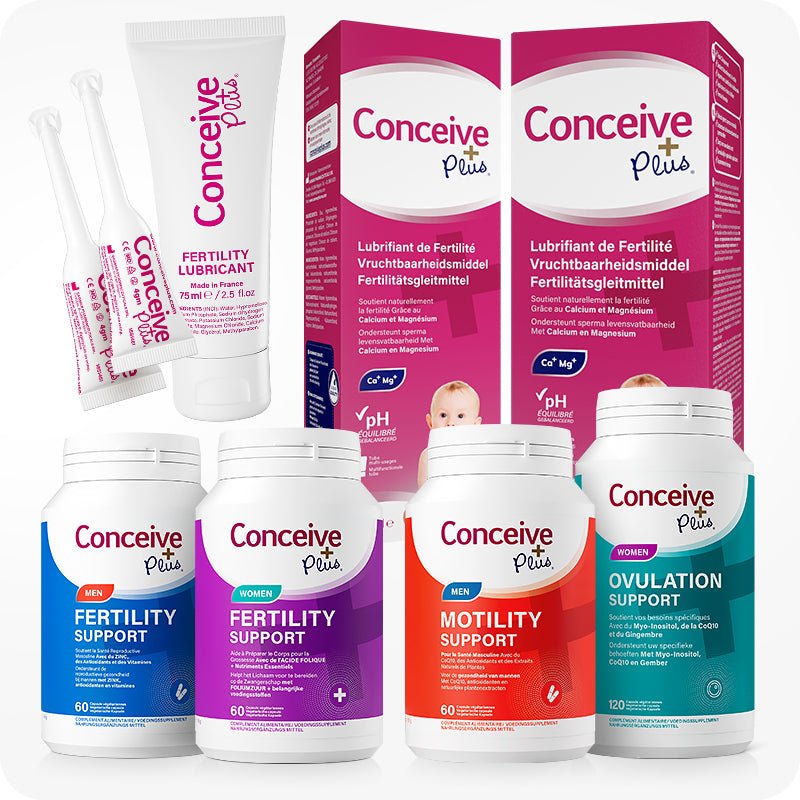
Ready to boost your fertility journey? Explore Conceive Plus — trusted by thousands of couples worldwide.
Folate (Methylfolate Preferred Over Folic Acid)
Folate is the most consistently recommended preconception supplement across all major obstetric guidelines, and it's one of the few nutrients with unambiguous evidence for preventing birth defects (neural tube defects specifically). The recommendation is to begin supplementation at least 1 month before attempting conception and continue through the first trimester.
The standard dose is 400μg (0.4mg) daily for women without known risk factors. Women with previous neural tube defect pregnancies, on certain medications, or with diabetes may require 5mg daily — discuss with your doctor.
Folic acid vs methylfolate: Folic acid is synthetic and requires conversion to the active form (5-MTHF) by the MTHFR enzyme. Women with MTHFR C677T or A1298C variants cannot make this conversion efficiently, meaning folic acid may be poorly utilised. Methylfolate (L-methylfolate or 5-MTHF) bypasses this conversion entirely and is recommended for all women, regardless of MTHFR status — it's simply more reliably absorbed and utilised. Conceive Plus uses methylfolate for this reason.
Vitamin D3
Vitamin D deficiency is extraordinarily common in Europe — studies suggest 40–80% of the population has suboptimal levels, with higher rates in northern countries and among people who work indoors. This matters for fertility because vitamin D receptors are expressed throughout the reproductive system, including in the ovaries, endometrium, and fallopian tubes.
Clinical evidence:
- Women with adequate vitamin D levels have significantly higher IVF success rates than those who are deficient (meta-analysis, Journal of Clinical Endocrinology & Metabolism, 2017)
- Vitamin D supports endometrial receptivity — the capacity of the uterine lining to allow embryo implantation
- Vitamin D regulates AMH (anti-Müllerian hormone), a key marker of ovarian reserve
Target blood level: 75–150 nmol/L (30–60 ng/mL). At minimum, supplement with 1,000–2,000 IU vitamin D3 daily; if you test deficient, higher doses (2,000–4,000 IU) may be recommended by your doctor until levels are restored.
Iodine
Iodine is essential for thyroid hormone production, and thyroid function is deeply intertwined with reproductive health. Even mild iodine deficiency is associated with delayed conception, increased miscarriage risk, and impaired fetal brain development. European soils — particularly in inland regions — are often iodine-poor, and the shift away from iodised salt in artisan food culture has made deficiency more common.
The recommended preconception iodine intake is 150μg/day (rising to 200μg during pregnancy). Most fertility supplements include this — check your label. Women with thyroid conditions should discuss iodine supplementation with their endocrinologist before starting.
Tier 2: Strong Evidence for Specific Fertility Benefits
CoQ10 (Coenzyme Q10)
CoQ10 is the supplement with perhaps the most exciting and rapidly growing evidence base for female fertility, particularly for women over 35 or those with diminished ovarian reserve. Here's why: eggs are among the most energy-demanding cells in the body, and they depend on mitochondria to generate the ATP (energy) required for maturation, fertilisation, and early embryo development. CoQ10 is the critical cofactor in mitochondrial energy production.
As women age, mitochondrial function in oocytes declines — this is a major driver of the age-related decline in egg quality. CoQ10 supplementation appears to partially restore mitochondrial function in ageing oocytes.
Clinical evidence:
- Women over 35 undergoing IVF who supplemented with CoQ10 (600mg/day for 60 days before retrieval) had more mature oocytes, better fertilisation rates, and higher-quality embryos than controls (Reproductive BioMedicine Online, 2015)
- Animal studies show CoQ10 supplementation can reverse the age-related decline in egg quality
- A meta-analysis of 5 RCTs found CoQ10 significantly improved oocyte quality and pregnancy rates in women with poor ovarian response
The ubiquinol form of CoQ10 has better bioavailability than standard ubiquinone — especially important for women over 40. Therapeutic doses range from 200–600mg/day. This is genuinely impossible to achieve from food (even the richest sources like beef heart provide only 3–4mg per serving).
Inositol (Especially Myo-Inositol and D-Chiro-Inositol)
Inositol is a sugar-like molecule involved in insulin signalling. For women with PCOS — where insulin resistance drives hormonal disruption — inositol supplementation has some of the most impressive clinical evidence in fertility medicine.
Key findings:
- Myo-inositol (MI) improved ovulation rate in PCOS women from 15% to 65% in a landmark Italian RCT (Gennazzani et al., 2008)
- MI + D-chiro-inositol at a 40:1 ratio most closely mimics the physiological ratio found in follicular fluid
- Inositol improves oocyte quality in both PCOS and non-PCOS women undergoing IVF
- 4g MI daily is the most studied dose; available as a powder supplement
Beyond PCOS, inositol is increasingly studied for improving egg quality generally and for reducing the risk of gestational diabetes.
N-Acetyl Cysteine (NAC)
NAC is a precursor to glutathione — the body's master antioxidant. It protects eggs from oxidative damage and has demonstrated clinical benefit for women with PCOS and endometriosis:
- NAC improved ovulation and pregnancy rates in PCOS women compared to placebo in a 2007 Egyptian RCT
- NAC may improve uterine receptivity by enhancing antioxidant defence in the endometrium
- Women with endometriosis who took NAC showed reduced pain and improved fertility parameters
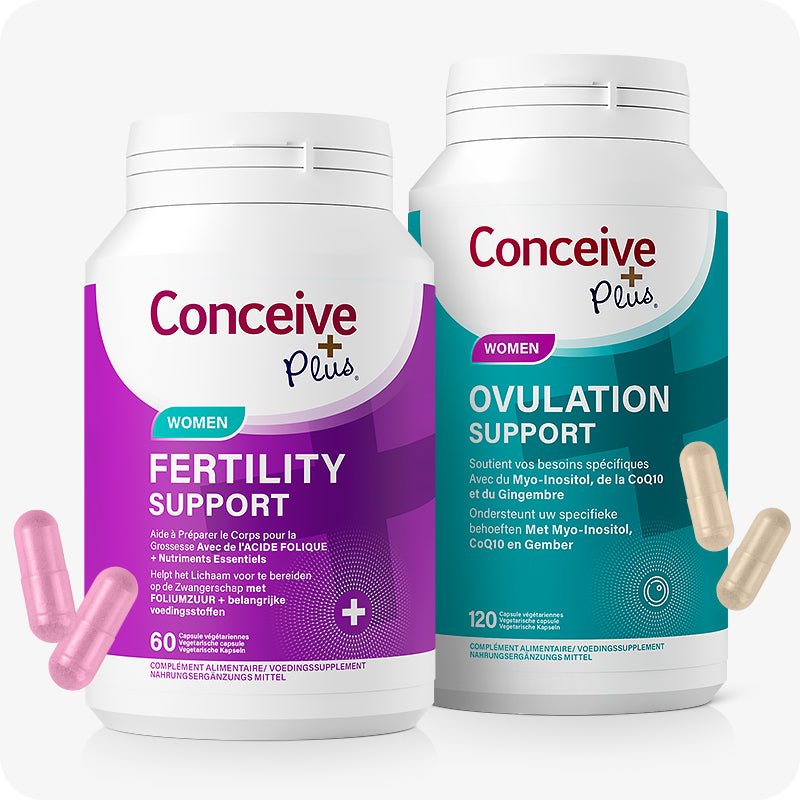
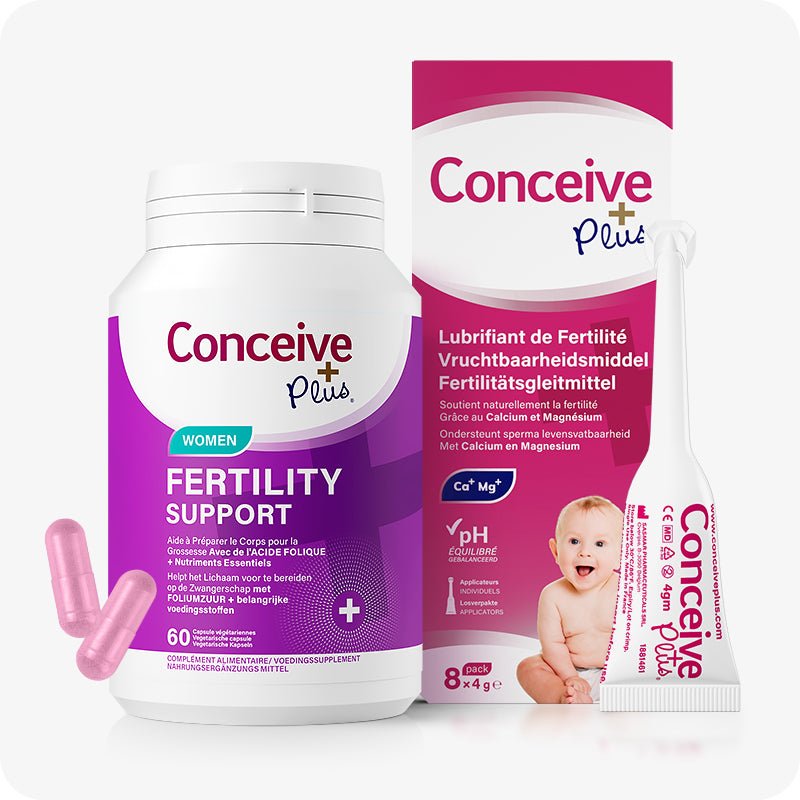
Comprehensive fertility support for European women: Conceive Plus Women's Fertility Support is formulated with methylfolate, CoQ10, vitamin D3, iodine, and antioxidants — everything Tier 1 and Tier 2 in one daily capsule. Ships across Europe with fast delivery.
Tier 3: Targeted Supplements with Emerging or Condition-Specific Evidence
Omega-3 Fatty Acids (DHA and EPA)
DHA is concentrated in the zona pellucida (the protective layer around the egg) and plays a structural role in egg cell membranes. Higher DHA levels are associated with better oocyte quality and embryo morphology in IVF cycles. DHA is also critical for fetal brain and retinal development from the earliest stages of pregnancy.
The challenge: conversion of plant-based ALA (from flaxseed, chia, walnuts) to DHA is inefficient — only 0–4% converts. Preformed DHA from fish oil or algae-based supplements is the reliable option. Aim for 200–300mg DHA daily minimum preconception, rising to 300–500mg during pregnancy.
Vitamin E
Vitamin E is a fat-soluble antioxidant that protects cell membranes — including oocyte membranes — from oxidative damage. It works synergistically with vitamin C. Some studies show vitamin E improves endometrial thickness in women with thin uterine lining (a barrier to implantation). Standard dose: 200–400 IU daily from food and supplements combined.
Iron
Iron deficiency is the most common nutritional deficiency in women of reproductive age, and subclinical iron deficiency (below optimal but above clinical anaemia threshold) is associated with anovulation. The Harvard Nurses' Health Study found that supplemental non-haem iron intake was associated with a 40% reduction in ovulatory infertility risk.
Iron needs careful dosing — too much iron (particularly supplemental haem iron) can be pro-oxidant. If you're not anaemic, a moderate dose (14–27mg) from a comprehensive fertility supplement is appropriate. If anaemic, higher therapeutic doses under medical supervision are indicated.
Melatonin
Melatonin is produced in the follicular fluid surrounding developing eggs and acts as a potent antioxidant in the ovarian microenvironment. Its role in egg quality is particularly relevant for women undergoing IVF — two RCTs found melatonin (3mg nightly) improved fertilisation rates and clinical pregnancy rates in poor responders. It's generally not recommended for ongoing use in women trying to conceive naturally due to potential effects on reproductive hormone timing, but short-course use around IVF egg retrieval has evidence support.
DHEA
Dehydroepiandrosterone is a precursor to sex hormones. In women with diminished ovarian reserve (DOR), DHEA supplementation (25–75mg daily for 6–12 weeks before IVF) has shown improvements in oocyte yield, embryo quality, and pregnancy rates in multiple cohort studies. It should only be taken under medical supervision due to its hormonal effects — it's not a general fertility supplement but a targeted intervention for DOR.
Supplements That Are Overhyped or Unsupported
Not everything marketed for fertility has solid evidence:
- Vitex (Chaste tree berry): Anecdotally popular for cycle regulation, but evidence from RCTs is inconsistent and weak. May interact with hormone-sensitive conditions. Use with caution.
- Evening primrose oil: Widely recommended online for cervical mucus production, but no clinical evidence supports this specific claim for fertility outcomes.
- Royal jelly: Interesting biological activity in animal studies, but no robust human RCTs for fertility outcomes. Not harmful, but evidence is insufficient to recommend.
- Progesterone cream: Over-the-counter progesterone creams have variable and unreliable absorption — if progesterone supplementation is clinically indicated, pharmaceutical-grade oral or vaginal progesterone is required.
Building Your Supplement Protocol: A Practical Framework
Rather than taking 15 individual supplements, a structured approach works better:
- Start with a comprehensive preconception supplement that covers folate (as methylfolate), vitamin D, iodine, iron, zinc, and antioxidants — this is the foundation
- Add CoQ10 if you're over 35, have had poor IVF response, or have been told your egg quality or reserve may be a concern
- Add inositol (4g MI/day) if you have PCOS or irregular cycles
- Add omega-3 DHA if you don't eat fatty fish 2–3 times weekly
- Consider NAC if you have PCOS or endometriosis
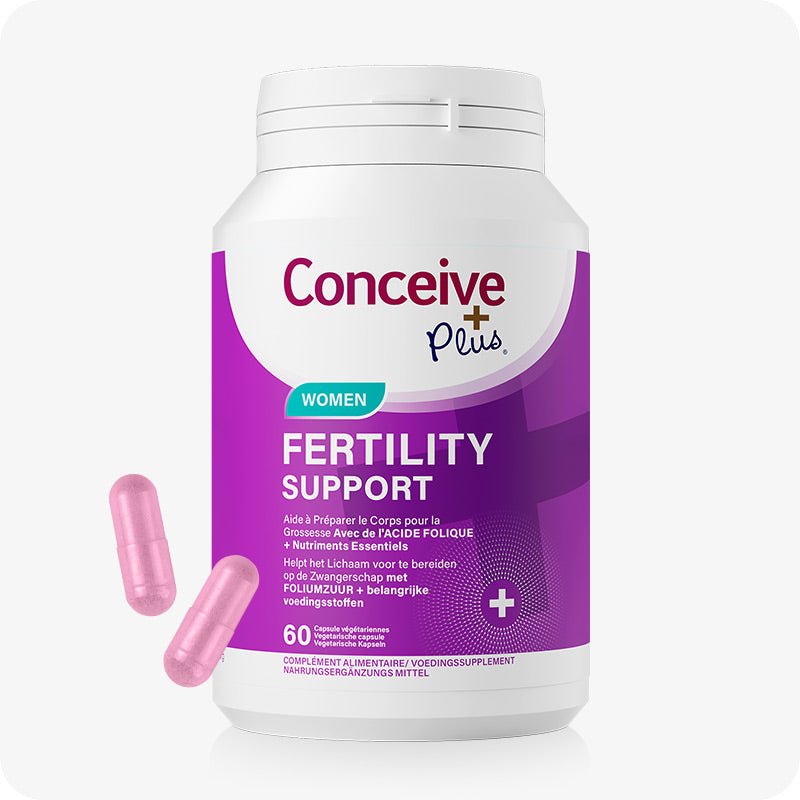
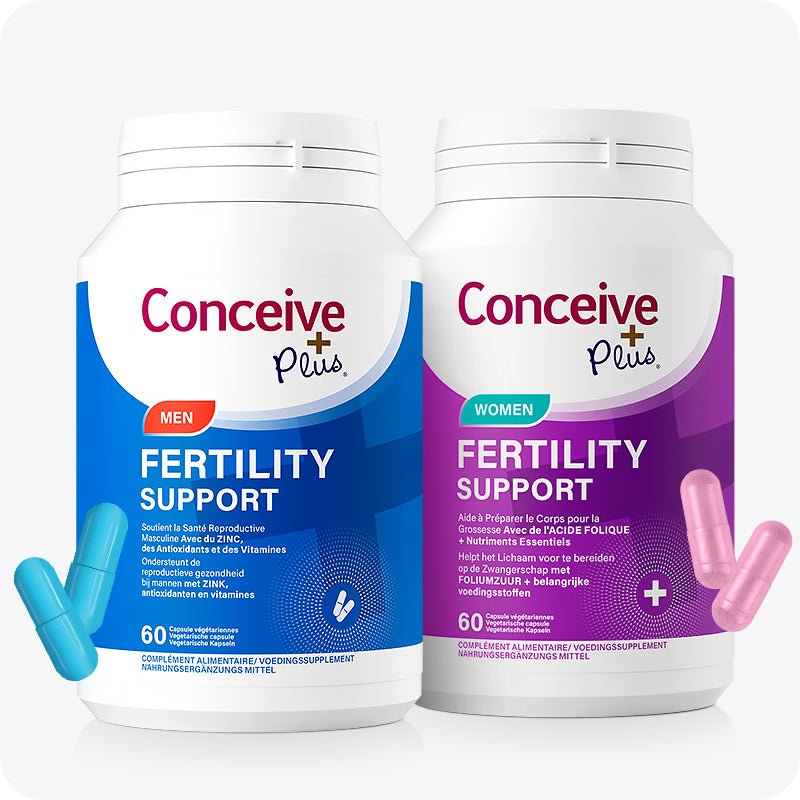
Conceive Plus Women's Fertility Support is designed as that first layer — a complete foundational supplement that covers the core nutrients at clinically meaningful doses, so you're not building the pyramid from scratch.
Start with the best foundation: Conceive Plus Women's supplement delivers methylfolate, CoQ10, vitamin D3, iodine, and comprehensive antioxidant support in a single daily dose — formulated specifically for women in Europe trying to conceive.
Frequently Asked Questions: Fertility Supplements for Women
Q: When should I start taking fertility supplements?
A: Ideally 3–6 months before trying to conceive. This gives nutrients time to build to therapeutic levels and to influence the egg development cycle (which takes approximately 3 months). At minimum, start folate supplementation 1 month before attempting conception.
Q: Is it safe to take fertility supplements during IVF?
A: Most are — but always disclose everything you're taking to your reproductive endocrinologist. CoQ10, methylfolate, vitamin D, and omega-3 are generally considered compatible with IVF protocols. Inositol and DHEA should be discussed specifically. Avoid high-dose vitamin E and C during the retrieval cycle, as very high doses may theoretically interfere with follicle rupture.
Q: Can I take a standard prenatal vitamin instead of a fertility-specific supplement?
A: Standard prenatals cover folate, iron, and iodine adequately but often lack CoQ10 and use folic acid rather than methylfolate. For general preconception health with no specific fertility concerns, a good prenatal is sufficient. For women over 35, with PCOS, with irregular cycles, or undergoing IVF, a fertility-specific formulation is more appropriate.
Q: How long does it take for supplements to improve egg quality?
A: Oocyte development takes approximately 85–90 days. Supplement interventions therefore need at least 3 months to show effects on egg quality — this is why starting preconception supplementation early matters. The improvement is not about changing mature eggs already in the follicle but improving the environment for the next cohort of developing follicles.
Q: Are fertility supplements safe for long-term use?
A: The nutrients in quality fertility supplements (methylfolate, vitamin D, iodine, zinc, CoQ10, omega-3) are safe for extended preconception use. High-dose DHEA and high-dose individual supplements (like 5,000 IU vitamin D without monitoring) should be overseen by a doctor for ongoing use.
Q: Do fertility supplements help if I have unexplained infertility?
A: Potentially, yes. "Unexplained infertility" often includes suboptimal egg quality, luteal phase defects, or subtle oxidative stress that standard testing doesn't capture. CoQ10, antioxidants, and methylfolate address these underlying factors even when tests come back normal. Several women with unexplained infertility conceive within 3–6 months of starting a comprehensive supplement protocol.
Q: Is there any risk of taking too many supplements?
A: Yes — over-supplementation is a real risk. Fat-soluble vitamins (A, D, E, K) accumulate and can reach toxic levels. Very high vitamin A (especially retinol) during pregnancy is teratogenic. Very high doses of zinc interfere with copper absorption. The principle is: more is not always better. Use a balanced preconception supplement at recommended doses and add specific supplements based on your individual situation.
Q: What supplements does Conceive Plus Women's contain?
A: Conceive Plus Women's Fertility Support contains methylfolate (L-5-MTHF), CoQ10, vitamin D3, iodine, vitamin E, vitamin C, B vitamins (including B6 and B12), iron, zinc, and selenium — a comprehensive formulation covering the core preconception nutrient needs at clinically relevant doses.
Conclusion: Evidence-Based Supplementation Pays Off
Fertility supplementation for women is most effective when it's strategic rather than random. The nutrients with the strongest evidence — methylfolate, vitamin D, CoQ10, iodine — address specific biological mechanisms that matter for egg development, hormonal balance, and early pregnancy. Starting supplementation 3–6 months before trying to conceive gives your reproductive system the time to benefit fully.
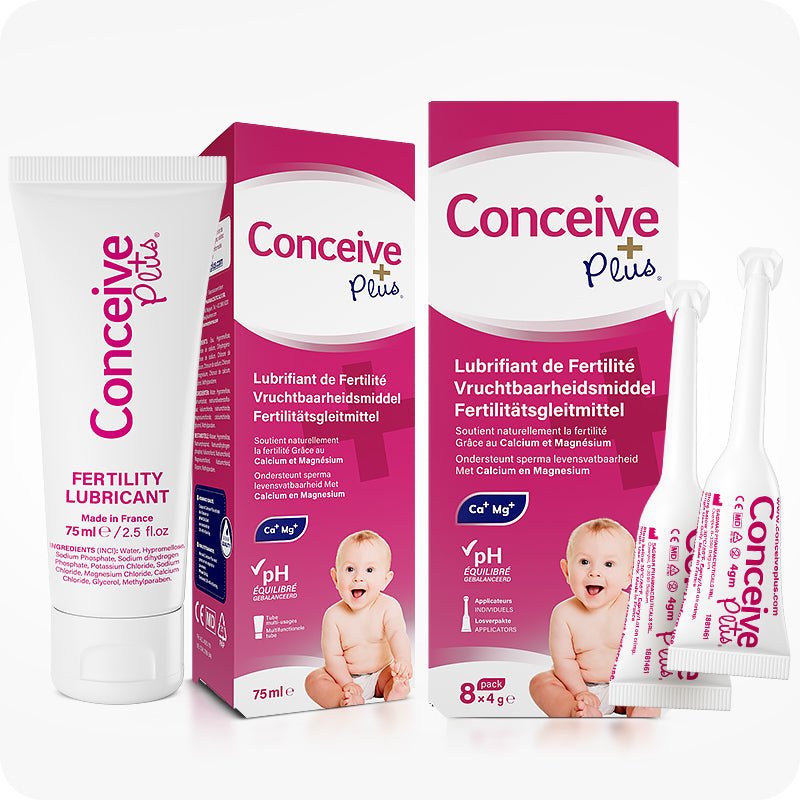
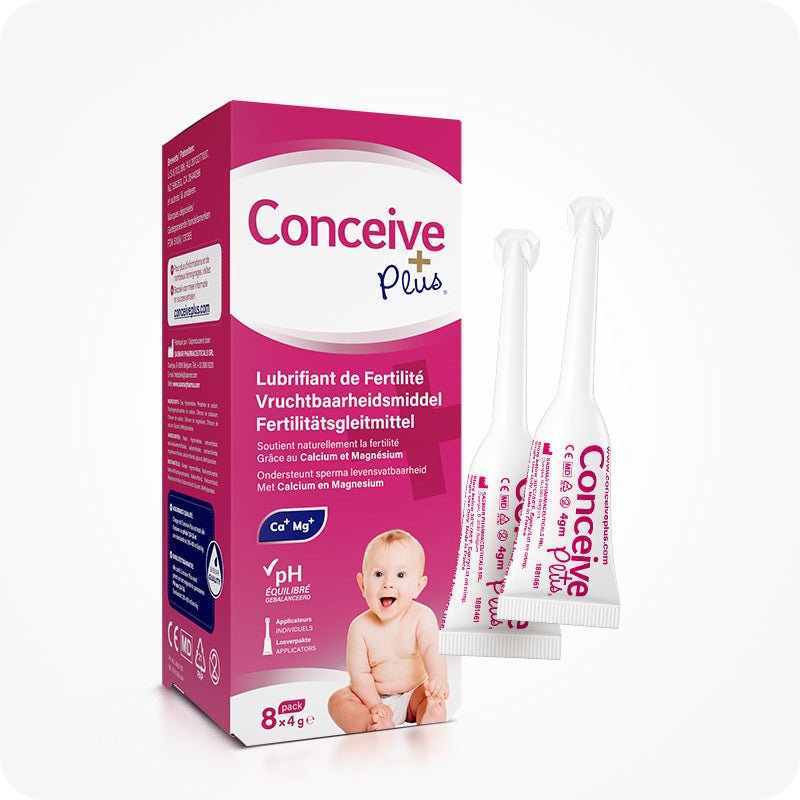
Conceive Plus Women's Fertility Support is designed precisely for this purpose: comprehensive coverage of the core fertility nutrients in a single daily supplement, made for women who want evidence-based support without the complexity of managing 10 individual products. Pair it with a balanced diet, regular ovulation tracking, and Conceive Plus fertility lubricant for a complete, cohesive approach to conception.
Ready to boost your fertility journey? Explore Conceive Plus — trusted by thousands of couples worldwide.