Fertility Testing: Your Complete Guide to Understanding Your Options and What to Expect


Fertility Testing: Your Complete Guide to Understanding Your Options and What to Expect
Fertility testing is a crucial step for any couple trying to conceive. Understanding tests, what they measure, and what results mean helps you navigate with confidence.
When Should You Consider Testing?
After one year if under 35, or six months if over 35. Earlier if irregular periods, known conditions, or risk factors exist.
Female Fertility Testing
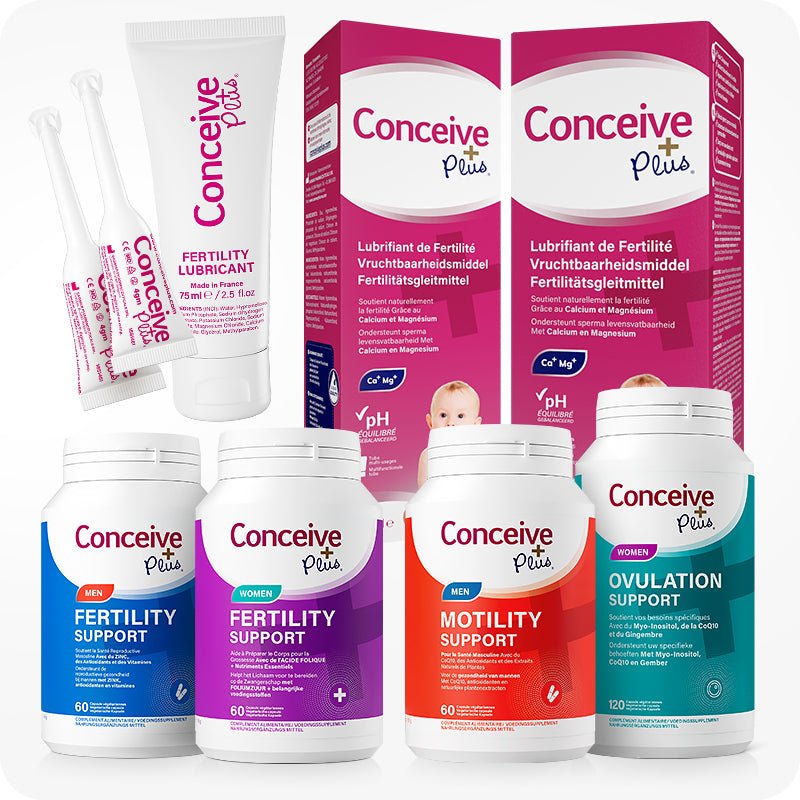
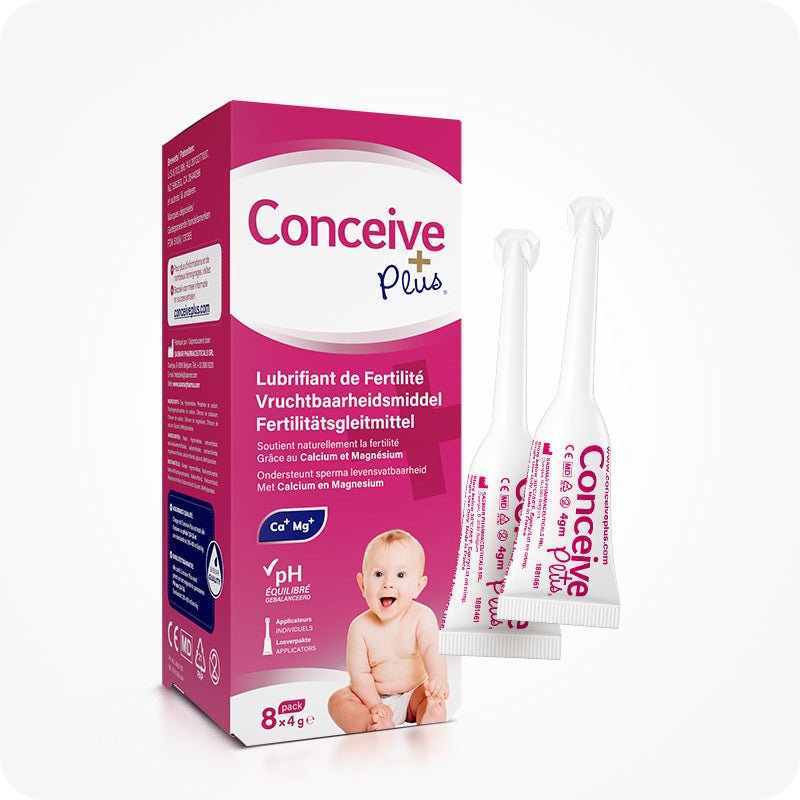
Supporting your body with the right tools makes a real difference. Conceive Plus Fertility Lubricant is clinically tested to create an optimal environment for conception — gentle, effective, and designed with your fertility journey in mind.
Ovarian reserve: AMH, FSH, and oestradiol blood tests. AMH below 1.0 ng/mL suggests diminished reserve.
Ovulation assessment: Mid-luteal progesterone confirms ovulation. OPKs and BBT supplement.
HSG: X-ray checking fallopian tube patency. Blocked tubes prevent pregnancy.
Pelvic ultrasound: Visualises ovaries, uterus, endometrium. Detects fibroids, polyps.
Thyroid and prolactin: Treatable causes of fertility problems.
Male Fertility Testing
Semen analysis: Measures concentration (15 million/mL+), motility (40%+), morphology (4%+). Two to three samples recommended.
Hormonal testing: Testosterone, FSH, LH identify hormonal causes.
DNA fragmentation: Damage above 30% linked to lower fertilisation and higher miscarriage risk.
Understanding Results
Normal results may lead to unexplained infertility (15 to 30% of couples). Treatment options remain available.
Your fertility journey deserves products you can trust. Conceive Plus Fertility Lubricant is the clinically tested, fertility-friendly choice that supports sperm health and enhances comfort when it matters most.
Frequently Asked Questions
Do I need a referral?
GP can start. A reproductive endocrinologist for specialised care.
Does testing hurt?
Routine. HSG may cause mild cramping.
How long does it take?
Completed within one menstrual cycle for both partners.
What is AMH?
Measures ovarian reserve. Lower = fewer eggs remaining.
Is semen analysis enough?
Good start. DNA fragmentation adds important information.
Should both partners test simultaneously?
Yes. ASRM recommends it.
What if all tests are normal?
Unexplained infertility. Treatments are still available.
Can results change over time?
Yes. Ovarian reserve declines; sperm parameters change.
Do I need to repeat tests?
AMH is stable. Semen analysis may need repeating.
Can stress affect results?
Can affect ovulation and sperm but not most blood tests.