Signs of High Fertility in a Woman: The Ultimate 2026 Reproductive Health Checklist


By 2026, the percentage of childless women in the U.S. aged 25 to 29 has climbed to 63%, sparking a massive increase in the use of at-home testing and health tracking. If you've felt a sense of anxiety about your biological clock or confusion over your cycle variations, you're certainly not alone. It's natural to search for the specific signs of high fertility in a woman to understand where you stand and how to plan for your future. With infertility now affecting approximately 15% of couples, many women are looking for more than just a "normal" result; they want to know if they are currently at their biological peak.
Understanding your body shouldn't be a guessing game. We promise to provide a clear, biological checklist of the hormonal and physical indicators that mark your most fertile years. This guide explains the difference between standard cycles and peak reproductive health, while offering actionable steps to monitor your status from the comfort of home. We'll explore everything from cervical mucus patterns to the latest hormone thresholds, giving you the confidence to manage your reproductive journey with professional clarity.
Key Takeaways
- Learn how to identify the primary physical markers that signal peak estrogen levels and optimal timing during your monthly fertile window.
- Discover how to interpret clinical lab results alongside the observable signs of high fertility in a woman to get a complete picture of your ovarian reserve.
- Understand the evolutionary biology behind the "fertility glow" and how subtle shifts in your skin, hair, and behavior signal peak hormonal alignment.
- Master a systematic checklist approach to track your ovulation and egg quality by monitoring the Hypothalamic-Pituitary-Ovarian axis.
- Explore actionable strategies to optimize your internal environment through nutrient density and proactive prenatal preparation.
Understanding the Biological Foundation of High Fertility
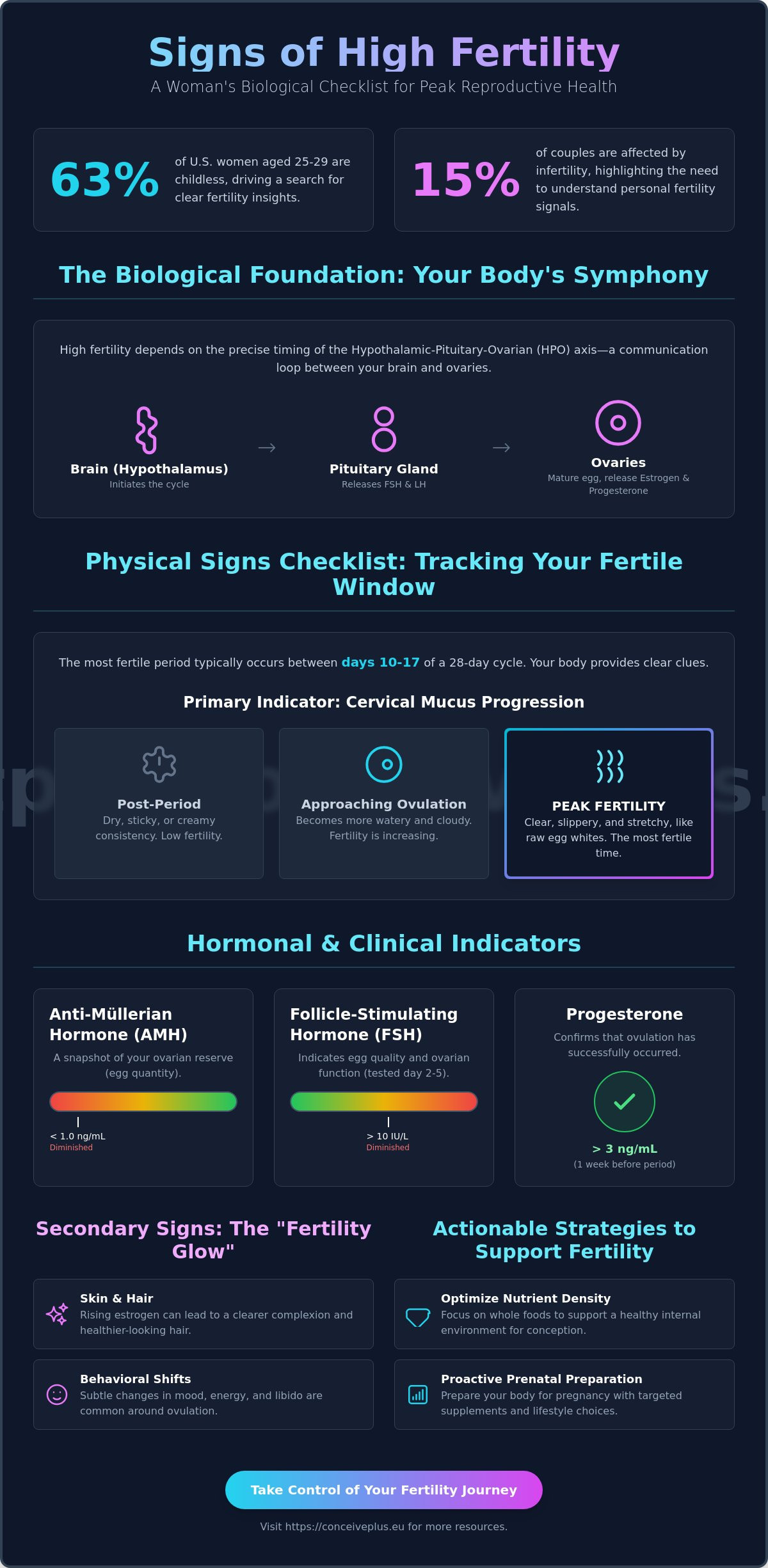
High fertility is more than a simple "yes" or "no" on a test strip. It's the precise synchronization of your hormones, egg quality, and uterine environment. Identifying the signs of high fertility in a woman requires looking at a biological symphony where every player must hit their mark at the right time. This starts with the Hypothalamic-Pituitary-Ovarian (HPO) axis, a complex communication loop between your brain and ovaries. If this axis functions optimally, your body produces the correct signals to mature a healthy egg, trigger its release, and prepare the womb for potential implantation.
To better understand how these biological factors determine your reproductive status, watch this helpful video:
This biological foundation ensures that your "fertile window" is robust and predictable. While many sources cite days 10 to 17 of a 28-day cycle as the standard, every woman's body has its own rhythm. Many women use fertility awareness methods to map these individual variations and identify their peak days. Using tools like an ovulation calculator can help you narrow down this timing by analyzing your cycle history and physical symptoms, ensuring you don't miss the optimal alignment of hormones and egg release.
The Role of Estrogen and Progesterone
Estrogen and progesterone are the primary drivers of your cycle's physical changes. In the first half of your cycle, rising estrogen builds the uterine lining and creates the fertile cervical mucus necessary for sperm survival. Follicle-stimulating hormone (FSH) and luteinizing hormone (LH) act as the conductors, prompting the ovaries to mature an egg. Once ovulation occurs, progesterone takes over. A serum progesterone level greater than 3 ng/mL about one week before your expected period is clinical evidence that ovulation happened, confirming that your body is successfully transitioning through its fertile phases.
Age and the Ovarian Reserve
Your ovarian reserve refers to the quantity and quality of your remaining eggs, which is a key component of peak reproductive health. Clinical markers like Anti-Müllerian Hormone (AMH) and Antral Follicle Count (AFC) provide a snapshot of this reserve. For instance, an AMH value of less than 1 ng/mL or an FSH level greater than 10 IU/L on day 2-5 of the cycle can indicate a diminished reserve. While age naturally impacts these numbers, the signs of high fertility in a woman, such as having regular and predictable cycles in your 30s, remain a strong positive indicator that your HPO axis is maintaining a healthy rhythm.
Physical Signs Checklist: What to Observe Every Month
Tracking the signs of high fertility in a woman involves more than just glancing at a calendar. It requires a systematic approach to observing how your body responds to the estrogen surge that precedes egg release. While every cycle is unique, the peak fertile window usually occurs between days 10 and 17 of a standard 28-day cycle. You can use an ovulation calculator to estimate these dates, but your own physical symptoms provide the most accurate real-time data. By combining digital tools with recognized clinical signs of ovulation, you gain a deeper understanding of your reproductive rhythm.
Consistency is your best tool when monitoring these changes. Don't worry if you don't see every sign perfectly in your first month of tracking. It often takes two or three cycles to recognize the subtle shifts in your body's "biological symphony." To help you get started, we've broken down the primary indicators into a clear, actionable checklist.
Cervical Mucus: The "Egg White" Indicator
Your cervical mucus changes texture as estrogen levels rise to facilitate sperm transport and survival. After your period, you might feel "dry," followed by a sticky or creamy consistency. As you approach peak fertility, the mucus becomes clear, slippery, and stretchy, resembling raw egg whites (EWCM). This specific texture protects sperm from the naturally acidic environment of the vagina.
- Checklist Item: Is your discharge clear, stretchy, and slippery like a raw egg white?
Cervical Position and the SHOW Criteria
Few women realize that the cervix itself physically moves and changes texture throughout the month. You can check this at home using the "SHOW" acronym: Soft, High, Open, and Wet. During your non-fertile days, the cervix feels firm, like the tip of your nose, and sits low in the vaginal canal. As you approach ovulation, it rises higher, opens slightly, and feels soft, much like the texture of your lips.
- Checklist Item: Does your cervix feel soft (like your lips) rather than firm (like your nose)?
Basal Body Temperature (BBT) Shifts
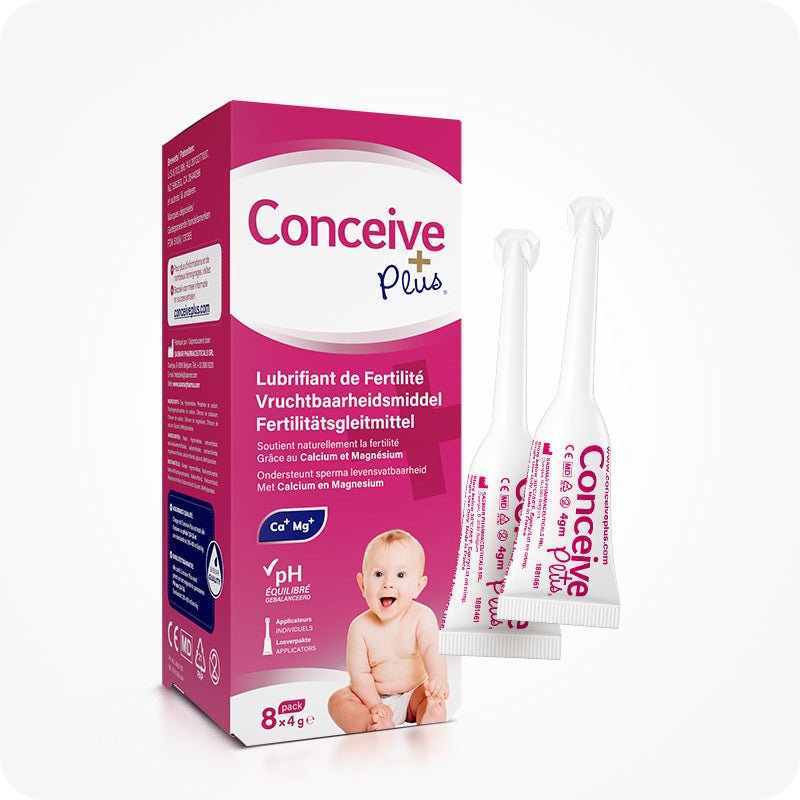
Your basal body temperature is your temperature at rest, taken immediately upon waking. A slight dip often occurs just before ovulation, followed by a sharp, sustained rise of 0.5 to 1.0 degrees once progesterone is released. This "biphasic" pattern is a reliable indicator that ovulation has successfully occurred. If you're looking to optimize your chances, using fertility-friendly lubricants during this window can help maintain a supportive environment for sperm.
- Checklist Item: Do you see a sustained temperature rise that lasts for at least 10 days after the initial shift?
Hormonal and Clinical Indicators of Peak Fertility
While physical symptoms provide immediate feedback, clinical diagnostics offer a biological snapshot of your reproductive potential. These lab results confirm if the signs of high fertility in a woman observed at home match your internal hormonal environment. High fertility isn't just about the presence of hormones; it's about their precise balance. Sometimes, a "normal" lab result might still benefit from optimization to reach peak fertile levels. Combining your home observations with professional panels creates a comprehensive map of your health, allowing you to move beyond guesswork.
Seeking a professional fertility panel is a proactive step, especially if you've been tracking your cycle for several months without identifying a clear pattern. A comprehensive clinical assessment can range from a discounted rate of $99 at some clinics to over $1,000 for a full workup. These tests provide the data needed to understand your ovarian reserve and the efficiency of your ovulation process.
AMH and FSH: The Reserve Markers
Anti-Müllerian Hormone (AMH) is often called the "egg timer" because it's produced by the follicles in your ovaries and reflects the size of your remaining egg supply. Follicle-Stimulating Hormone (FSH) works in tandem with AMH; lower levels on days 2 to 5 of your cycle suggest your ovaries don't have to work excessively hard to mature an egg. The following table illustrates the clinical thresholds used to evaluate these markers:
| Hormone | Optimal Range (High Fertility) | Concerning Range |
|---|---|---|
| AMH (Ovarian Reserve) | Above 1.0 ng/mL | Less than 1.0 ng/mL |
| FSH (Day 2-5) | Under 10 IU/L | Greater than 10 IU/L |
Luteinizing Hormone (LH) Surges
The LH surge is the final green light for the release of a mature egg. Detecting this surge using Ovulation Predictor Kits (OPKs) helps you identify your peak window with precision. These kits range in price from basic strips at $15.99 for a 50-count pack to advanced digital kits costing around $29.98. These tools are most effective when you also monitor the physical signs of ovulation, such as the cervical mucus changes discussed in the previous section. For those who want to ensure they have all the necessary tools on hand, exploring fertility product bundles can simplify the process of consistent home monitoring.
- Checklist Item: Are you consistently getting clear "peak" readings on home LH tests?
Secondary Signs: The "Fertility Glow" and Behavioral Shifts
Evolutionary biology plays a fascinating role in how we perceive reproductive health. Beyond the clinical markers like hormone levels and temperature shifts, the signs of high fertility in a woman often manifest as subtle aesthetic and behavioral changes. These shifts are driven by the peak in estrogen that occurs just before ovulation. When your hormones are in perfect alignment, your body essentially broadcasts its readiness through physical appearance and mood. Research suggests these signals evolved to help humans identify the most opportune time for conception, even if we aren't consciously aware of the biological drivers at play.
Skin, Hair, and Aesthetic Indicators
During your fertile window, rising estrogen levels naturally suppress the production of sebum, the oil that can lead to breakouts. This often results in clearer skin and a more vibrant complexion, frequently referred to as the "estrogen glow." Some studies have even noted subtle increases in facial symmetry and lip fullness during this peak time. You might also notice that your hair appears shinier or has more volume. These aren't just vanity metrics; they're outward expressions of internal hormonal balance and high egg quality. If your skin is consistently clear and radiant around day 12 to 14 of your cycle, it's a strong indicator of a healthy estrogen surge.
- Checklist Item: Do you notice a "glow," clearer skin, or more vibrant hair mid-cycle?
Libido and Sensory Changes
A natural surge in libido is one of the most reliable behavioral signs of high fertility in a woman. This increase in sex drive is your body's way of encouraging conception during the short 12 to 24-hour window when an egg is available. You might also find that your senses become more acute. Many women report a sharper sense of smell or a distinct change in their energy levels during their peak days. This often manifests as a desire to be more social, a boost in physical stamina, or a general feeling of confidence. These sensory changes are your brain's response to the high-fertility environment created by the Hypothalamic-Pituitary-Ovarian axis.
- Checklist Item: Do you experience a surge in energy, heightened senses, or increased social desire mid-cycle?
Another overlooked sign of peak health is the "chill" period, or the absence of severe premenstrual symptoms. While some minor discomfort is common, a cycle with minimal mood swings or physical pain usually indicates a healthy, balanced transition between estrogen and progesterone. This hormonal harmony is a hallmark of high fertility. If you're noticing these positive shifts and want to support your body's natural processes, you can shop high-quality fertility support products to help maintain this healthy equilibrium throughout every stage of your cycle.
Taking Action: How to Support and Maximize Your Fertility
Identifying the signs of high fertility in a woman is an empowering first step toward parenthood. Once you recognize your body's natural rhythms, the focus shifts to optimization. High fertility isn't a static state; it's a dynamic environment that you can support through intentional lifestyle choices and targeted preparation. Transitioning from "noticing" to "optimizing" means ensuring your body has the raw materials it needs to maintain high-quality egg production and a receptive uterine lining.
Managing stress and prioritizing sleep are equally important for maintaining this balance. High levels of cortisol, the stress hormone, can disrupt the communication between your brain and ovaries, potentially suppressing ovulation. Aiming for consistent rest helps regulate the HPO axis we discussed earlier, keeping your cycle predictable and your fertility signs clear.
Nutritional and Lifestyle Optimization
Your diet serves as the foundation for hormonal health. Nutrient density is critical during the preconception phase, as it directly impacts egg quality and the regularity of your cycle. Focus on incorporating these "fertility foods" into your daily routine:
- Leafy greens: Rich in folate, which is essential for early fetal development and healthy ovulation.
- Healthy fats: Avocados, nuts, and seeds provide the building blocks for hormone synthesis.
- Complex carbohydrates: Whole grains help keep insulin levels stable, preventing the hormonal spikes that can interfere with egg release.
Antioxidants also play a vital role in protecting eggs from oxidative stress. This is a priority because women are born with a finite supply of eggs, and protecting their quality is key to peak fertility. Maintaining a healthy weight range is another stabilizer for your cycle. Being significantly under or over a healthy weight can disrupt estrogen production, which might mask the physical signs of high fertility in a woman that you've been tracking.
Fertility-Friendly Support and Tools
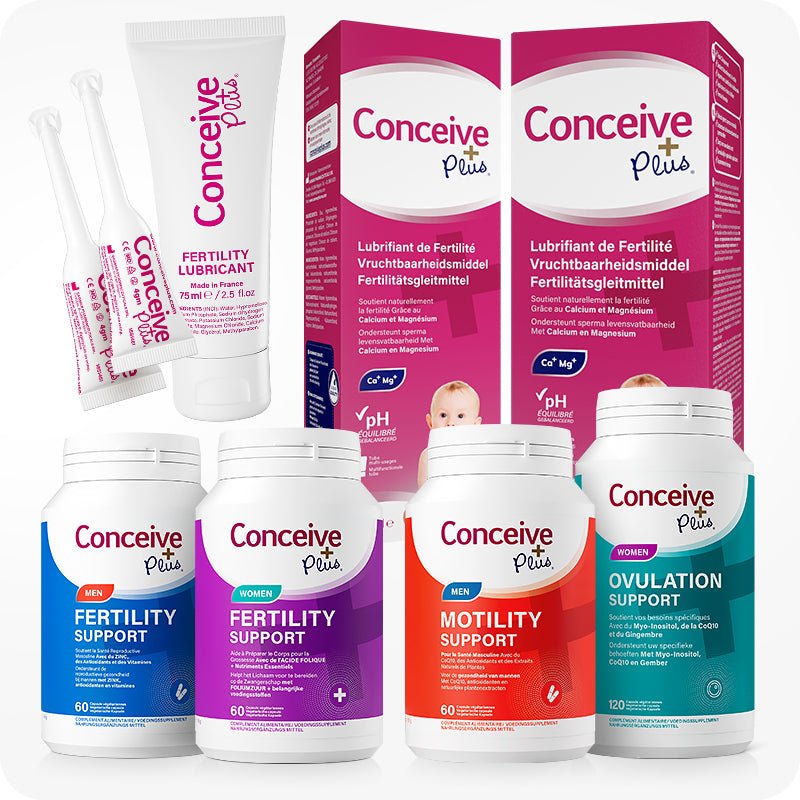
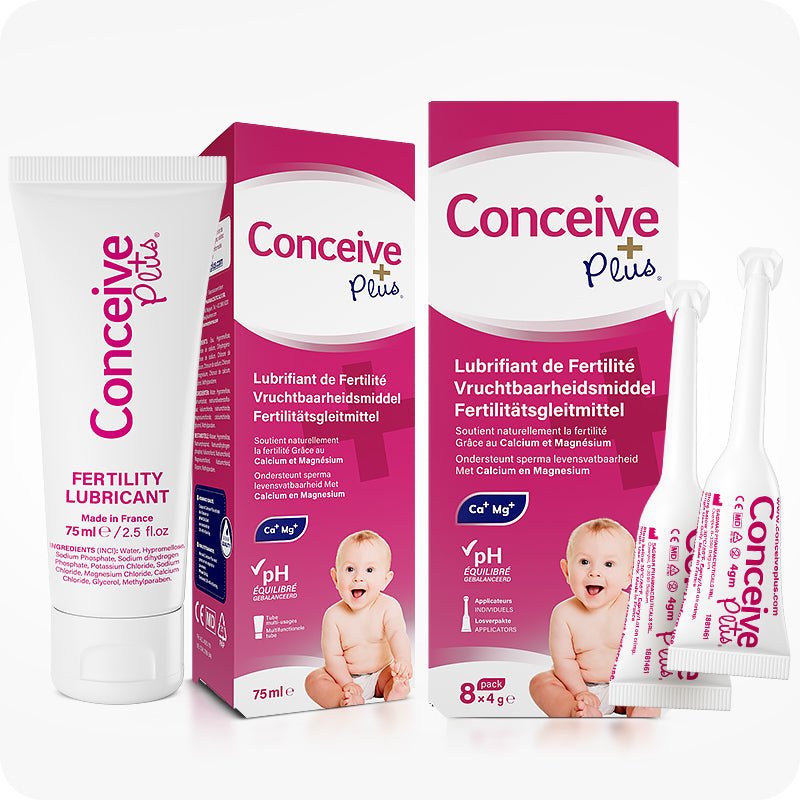
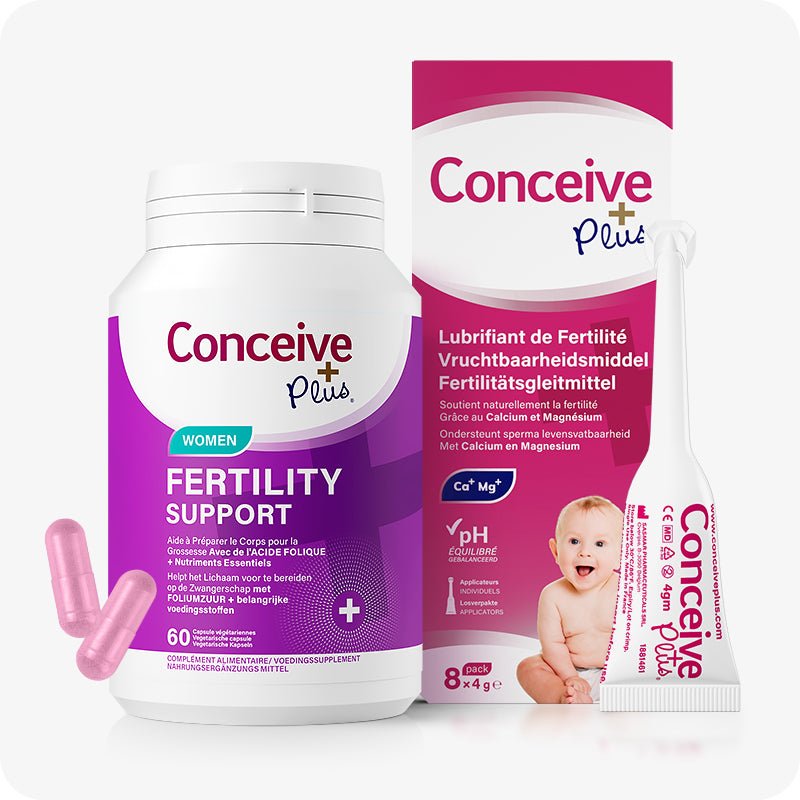
While lifestyle changes are essential, targeted tools can provide the extra support needed to maximize your chances of conception. Many standard lubricants have a low pH that can be harmful to sperm. Using fertility-friendly lubricants and supplements ensures that the vaginal environment remains supportive of sperm motility and survival during your peak window. These products are specifically formulated to match the "egg white" cervical mucus your body produces when you're most fertile.
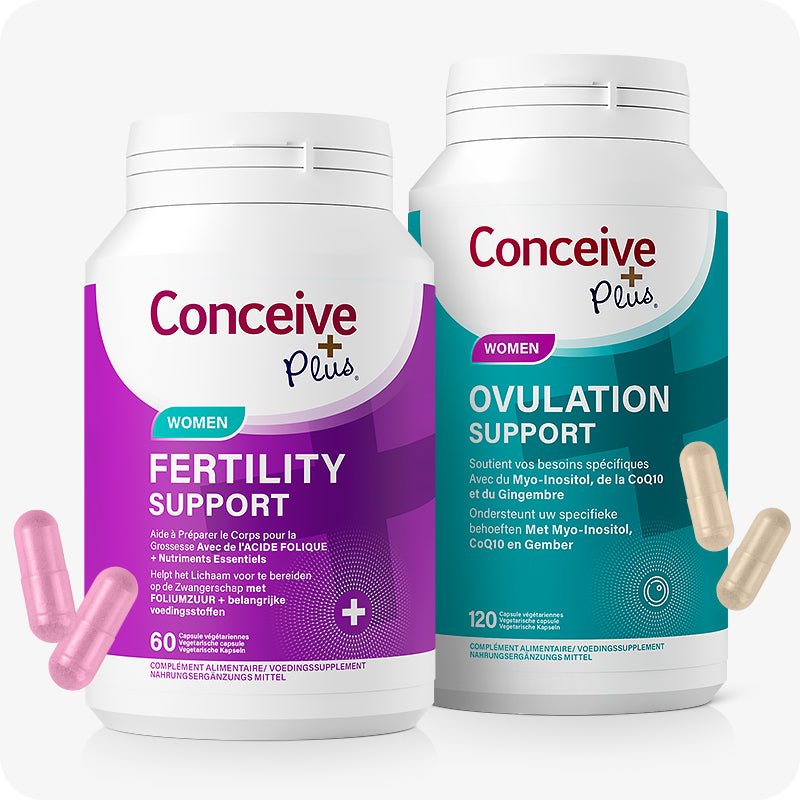
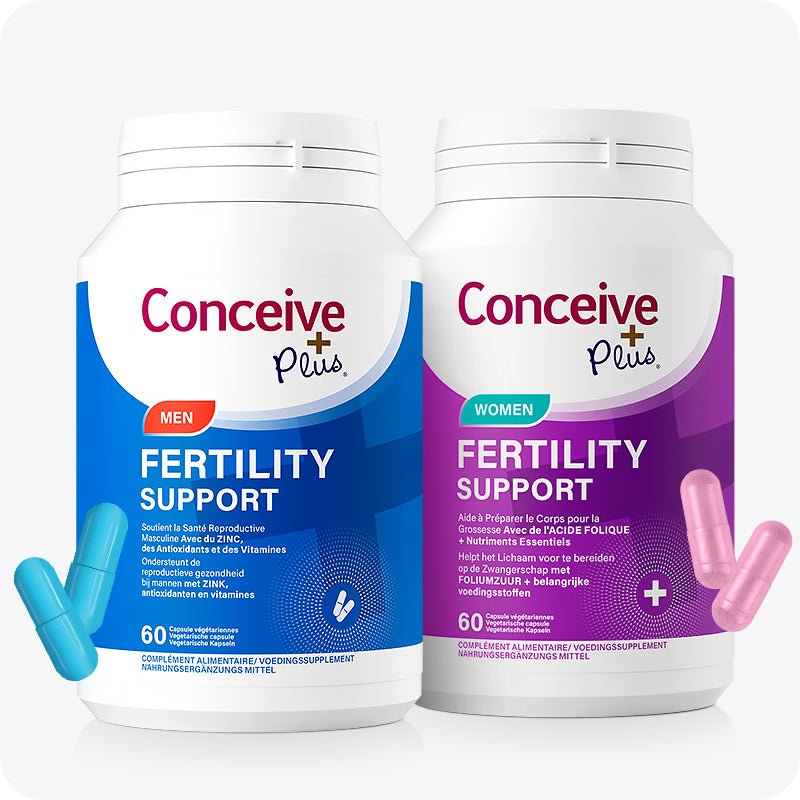
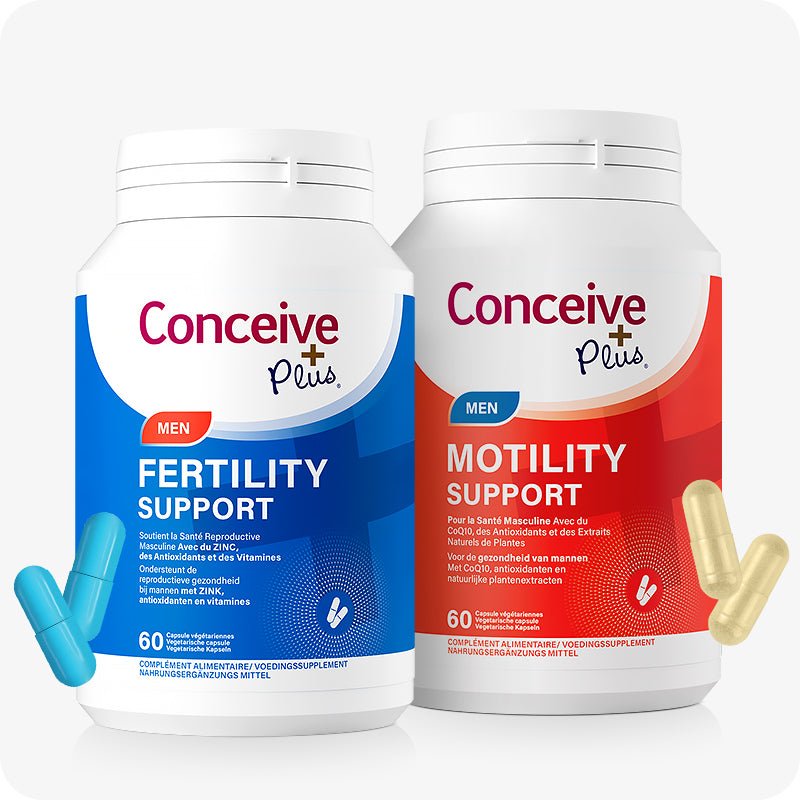
Preparing your body with specialized vitamins at least three months before trying to conceive is a proactive way to support ovarian function. These supplements often include ingredients like Myo-inositol or CoQ10 to help maintain energy production within the egg. If you're ready to build your preconception toolkit, you can check special offers for comprehensive kits that combine tracking tools with nutritional support.
Your journey toward conception is unique, and having the right resources makes a significant difference in your confidence. Visit Conceive Plus to start your journey with the right support, backed by clinical expertise and products designed to work in harmony with your body's natural signals.
Empowering Your Path to Parenthood
Recognizing the signs of high fertility in a woman is a powerful way to take control of your reproductive future. By combining consistent cycle tracking with an understanding of clinical markers like AMH and FSH, you create a clear picture of your biological window. Whether you're noticing physical changes like egg-white cervical mucus or secondary signals like a surge in mid-cycle energy, these indicators are your body's way of communicating peak health. Knowledge is the foundation, but taking proactive steps ensures your body has the support it needs during this critical time.
Now that you have the checklist, it's time to provide your body with the specialized care it deserves. You can Shop the Full Range of Conceive Plus Fertility Support Products to optimize your environment for conception. These formulas were developed by Harvard doctors and are trusted by millions of couples in over 70 countries. With clinically cleared, fertility-friendly formulas, you're choosing a brand that understands the science of conception. Your journey is unique, and with the right tools and information, you're well-equipped to navigate it with clarity and hope.
Frequently Asked Questions
Can you have high fertility but not get pregnant?
Yes, it's possible to show every sign of peak reproductive health and still face challenges. High fertility indicates that your hormones are balanced and you're ovulating, but conception also depends on sperm health and clear fallopian tubes. Since infertility affects approximately 15% of couples, a clinical evaluation is often necessary to check for structural issues or male factor concerns that physical signs alone can't reveal.
What is the most reliable sign of high fertility at home?
The most dependable observable indicator is the transition of cervical mucus to a clear, stretchy, "egg white" consistency. This physical change is a direct response to the estrogen surge that precedes egg release. When you combine this observation with a positive result on an LH test kit, which can cost between $15 and $30, you have the most accurate home-based evidence of your fertile window.
Is a 28-day cycle the only sign of high fertility?
No, a perfect 28-day cycle isn't the only requirement for peak health. While regularity is a strong indicator of ovulation, healthy cycles can naturally range from 21 to 35 days. The most important factor is consistency and the presence of a biphasic temperature shift. This shift confirms that your body successfully produced progesterone, regardless of whether your cycle is slightly shorter or longer than the average.
Does "egg white" cervical mucus always mean I am ovulating?
It signals that your body is preparing for ovulation, but it doesn't guarantee the egg has been released yet. This mucus is a response to high estrogen levels meant to support sperm survival. To confirm that ovulation actually took place, you should look for a sustained rise in basal body temperature or a serum progesterone level greater than 3 ng/mL about one week before your expected period.
How does age specifically impact the signs of high fertility?
Age primarily influences the quantity and quality of your eggs, which can make signs of high fertility in a woman less predictable. As you enter your late 30s, your fertile window might shorten. You may also see clinical changes, such as an FSH level rising above 10 IU/L or an AMH value dropping below 1 ng/mL, even if you still experience regular menstrual cycles and physical symptoms.
Can I increase my fertility signs through diet or supplements?
You can definitely support your biological signals through nutritional optimization. Diets high in antioxidants, folate, and healthy fats help stabilize the HPO axis, which often results in more prominent signs of high fertility in a woman, such as clearer mucus patterns. Supplements like Myo-inositol or CoQ10 are also frequently used to support egg quality and maintain a healthy hormonal balance during the preconception phase.
What should I do if I don’t see any of these fertility signs?
If you don't observe these indicators over three consecutive cycles, it's a good idea to consult a professional. Official standards recommend an infertility evaluation after 12 months of unsuccessful attempts for women under 35, or after 6 months for those over 35. A provider can run a hormone panel or perform an ultrasound to check your antral follicle count and provide a clearer picture of your status.
Are painful periods a sign of low fertility?
Not always, but severe pain shouldn't be ignored. While mild cramping is common, intense pain can sometimes be a symptom of endometriosis or fibroids, which may impact your ability to conceive. If your periods are so painful they interfere with your daily life, it's best to seek a clinical assessment to ensure your uterine environment is healthy and receptive for a potential pregnancy.